Coming out of the holidays, 13 of the top 25 free agents entering this winter remain unsigned. Alex Bregman is waiting. Kyle Tucker is waiting. Cody Bellinger is waiting. Bo Bichette and Framber Valdez are waiting. The market has moved for some players, with Pete Alonso landing in Baltimore and Kyle Schwarber returning to Philadelphia, but the top of the class is stuck in a holding pattern that’s becoming uncomfortable for everyone involved.
This isn’t normal. By early January in most offseasons, the premium free agents have found homes. Teams have assessed their needs, players have assessed their options, and deals have come together. The winter meetings serve as a catalyst for activity, and the weeks following typically see a flurry of signings. This year feels different. The big names remain available, the rumors continue to swirl, and both sides seem content to wait out the other. Understanding why requires looking at the economics driving modern baseball’s offseason.
The standoff reflects a broader shift in how teams value players and how players value themselves. Front offices have become increasingly sophisticated about projecting future performance, and those projections often differ significantly from what agents and players believe they’re worth. Neither side is wrong exactly. They’re operating with different models, different assumptions, and different tolerance for risk. The result is a market where deals that once would have happened in November now drag into February.
The Bregman Situation
Alex Bregman opted out of two years and $80 million remaining on the deal he signed with Boston last offseason, per Spotrac. That decision reflected confidence in his market value after his first All-Star campaign since 2019. The 31-year-old third baseman posted strong numbers in 2025, bouncing back from several injury-plagued seasons to remind the league why he once commanded a nine-year, $280 million contract as a young star in Houston.
The problem for Bregman is that the third base market has shifted since he last tested free agency. Teams have found cheaper ways to fill the position through prospects, trades, and league-minimum players who provide adequate production. The handful of teams willing to pay premium prices for third basemen already have solutions in place. Boston, his former team, seems content to move on. The Yankees have other priorities. The Mets are focused on pitching. Bregman’s market hasn’t developed the way his camp expected.
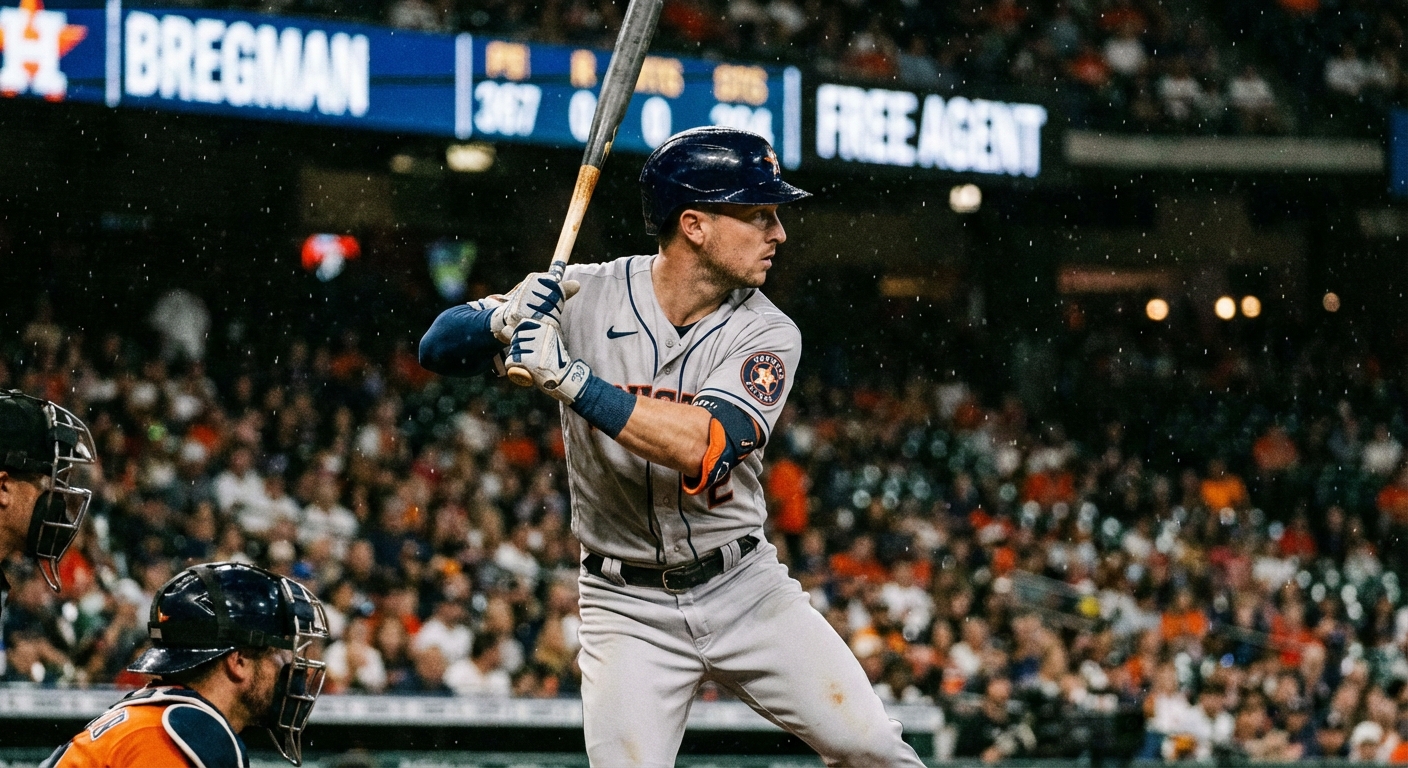
The Red Sox made an offer, as first reported by ESPN’s Jeff Passan, but the terms fell short of Bregman’s expectations. Other teams have kicked the tires without making serious commitments. As January progresses, Bregman faces a difficult choice: accept a deal below his perceived value or risk entering spring training without a contract. Neither option is appealing for a player who bet on himself by opting out of guaranteed money.
What’s telling about Bregman’s situation is how it reflects the broader market dynamics. Teams have grown comfortable letting premium free agents wait. The fear of missing out that once drove bidding wars has been replaced by patience and discipline. Front offices know that players eventually need to sign somewhere, and desperation often leads to more favorable terms for the team. Bregman is experiencing this reality firsthand.
Tucker’s Trade Fallout
Kyle Tucker’s path to free agency came through a trade from Houston rather than a contract decision. The Astros dealt their star outfielder rather than risk losing him for nothing, and Tucker earned his fourth straight All-Star selection in his new home. The 28-year-old hit .266/.377/.464 with 22 home runs, 73 RBI, and 25 stolen bases, per Baseball Reference. Those numbers represent elite production from a player still in his prime.
Tucker should be the most sought-after position player on the market. His combination of contact, power, plate discipline, and speed is rare. He plays a premium defensive position well. He’s young enough to provide value deep into any contract he signs. On paper, Tucker is exactly the type of player teams should be competing to acquire. The bidding war hasn’t materialized.
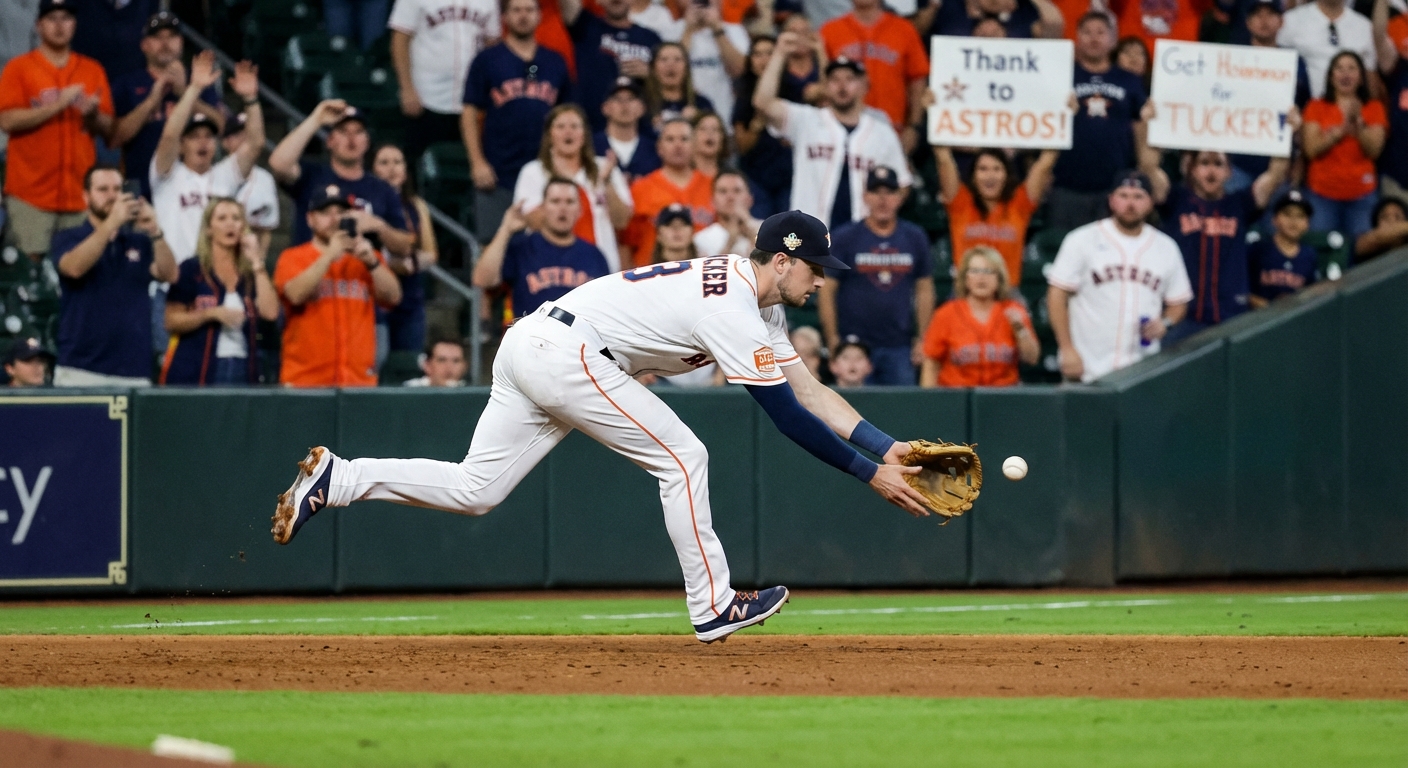
Part of the explanation is timing. Teams that might have pursued Tucker aggressively already spent their outfield budgets on other players or made trades to address the position internally. The Dodgers have their outfield set. The Yankees prioritized Bellinger (though that deal also hasn’t closed). The Mets went in different directions. Tucker’s market shrank before he could test it fully.
The other part of the explanation is broader economic uncertainty. The players’ union and owners continue to clash over revenue sharing, competitive balance, and the structure of future collective bargaining agreements. Teams facing potential labor disruptions are more cautious about long-term commitments. Tucker’s asking price likely starts north of $200 million guaranteed, according to Jon Heyman of the New York Post. That’s a significant bet during uncertain times, even for a player of his caliber.
Bellinger and the Yankees’ Priorities
Cody Bellinger remains the Yankees’ top priority in free agency, according to Ken Rosenthal of The Athletic. That’s been the reported status for weeks now, yet no deal has materialized. The disconnect between stated priorities and actual signings tells its own story about how the Yankees are approaching this offseason.
The Yankees have needs beyond the outfield. Their pitching staff could use reinforcement. Their infield depth remains thin. They’re balancing multiple priorities with finite resources, and Bellinger’s market hasn’t dropped to levels that make him an obvious value play. He wants significant money after proving he could rebound from his worst seasons. The Yankees want flexibility to address other roster holes. Neither side has found the middle ground.
Bellinger’s career arc complicates his negotiation position. He won the MVP award in 2019, looking like a future Hall of Famer at age 23. Injuries and mechanical issues led to several disappointing seasons that raised legitimate questions about his long-term viability. He bounced back with a strong 2024 in Chicago before testing the market again. Teams are trying to determine which version of Bellinger they’re buying: the MVP talent or the player who struggled for three years.
Both versions exist in his track record, which is exactly the kind of uncertainty that makes negotiations difficult. A team willing to bet on Bellinger’s talent could land a star for below his peak market value. A team that gets the injured, struggling version will have made an expensive mistake. This risk calculus has kept Bellinger unsigned while teams wait for more information that isn’t coming.
The Pitching Market’s Strange Dynamics
Relievers came off the board early this winter. Closers and setup men found homes quickly as teams rushed to secure bullpen help. Starting pitchers, meanwhile, continue to wait. Names like Zac Gallen, Zack Littell, and Lucas Giolito remain available despite clear market demand for quality starters.
The disparity reflects differing perceptions of value and risk. Relief pitchers sign shorter contracts with lower total guarantees, making them safer investments. A team that whiffs on a reliever can move on quickly. Starting pitchers demand longer commitments at higher annual values, which means mistakes are costlier and harder to correct. Front offices that have been burned by pitching contracts in the past are more cautious about repeating those errors.

Framber Valdez represents the top of the starting pitching market. The left-hander is a proven postseason performer who would improve any rotation in baseball. The Orioles have been connected to him, along with Ranger Suarez, as they seek left-handed pitching depth, per MLB Network’s Jon Morosi. Baltimore reportedly favors Suarez, which could leave Valdez waiting even longer for his market to clarify.
The Mets, Cubs, Athletics, Braves, and possibly the Yankees and Angels are all viewed as teams that could use another starter. That’s a lot of potential suitors, which should create competition and drive prices up. Instead, all those teams seem to be waiting for someone else to set the market. Nobody wants to be the team that overpays for a starter who declines, and that collective caution has frozen the pitching market in place.
Peralta, Skubal, and the Trade Market Spillover
The free agent market doesn’t exist in isolation. Trade discussions are happening simultaneously, and the potential availability of impact players through trades affects how teams approach free agency. Why sign a free agent starter when you might be able to trade for Tarik Skubal? Why commit to an outfielder when Ketel Marte might become available?
The Brewers are reportedly fielding offers for Freddy Peralta, who is signed for a team-friendly $8 million in 2026 according to Spotrac. The Yankees, Mets, Dodgers, Braves, and Red Sox have all shown interest. A trade for Peralta might offer better value than signing a comparable free agent, which could explain why some teams are holding back their spending.
The Astros have their own roster puzzle to solve. With Yordan Alvarez expected to serve as the regular designated hitter, Houston doesn’t have room for both Isaac Paredes and Christian Walker at first base. A trade is increasingly likely, which adds another potential impact bat to the market. Teams considering free agent first basemen might be waiting to see what Houston does before committing their resources elsewhere.
The Spring Training Pressure Point
The standoff can’t last forever. Spring training begins in mid-February, and players without contracts face the prospect of arriving at camp without knowing where they’ll play. That pressure traditionally breaks the logjam as February approaches. Players accept deals they might have rejected in November. Teams make final offers knowing their targets have limited alternatives.
The prediction here is that the next two weeks see significant movement. Bregman signs below his hoped-for price, likely returning to Boston on a shorter deal. Tucker finds a home with a team that wasn’t initially in the mix, perhaps a surprise contender willing to pay for his talent. Bellinger closes with the Yankees at a number that required both sides to compromise. Valdez goes to Baltimore after they fail to land Suarez.
The wild card is a dark-horse team making an aggressive play. A team that wasn’t considered a contender could emerge with a massive offer, reshuffling the entire market overnight. Somebody will blink first. The question is whether the deals these players ultimately accept reflect their true value or merely their diminishing leverage as spring training approaches.
The Verdict
This standoff is accelerating a structural change that will reshape future offseasons. The 2025-26 free agent class is the first where a majority of top-25 players entered January unsigned, and the pattern is self-reinforcing: each year teams wait longer, players adjust expectations more slowly, and the signing window compresses further toward spring training. Within two or three cycles, late-January signings for elite free agents will be the norm rather than the exception.
The deeper consequence is positional. Third basemen like Bregman and starting pitchers like Valdez are being repriced in real time as teams shift spending toward relievers and controllable young talent. FanGraphs data shows that the average annual value of free agent contracts for players 30 and older has declined 12% since 2022, even as overall team revenues have climbed. That divergence signals a permanent recalibration, not a temporary market correction.
Expect the first domino to fall within ten days, and when it does, the remaining 12 players will sign in rapid succession. The compressed timeline will favor teams with offers already on the table over those still running internal projections. Preparation, not patience, will determine which front offices win this offseason.
Sources
- MLB Free Agent Tracker - ESPN, 2025-26 free agent class status and signings
- 2025-26 MLB Free Agent Rankings - MLB.com, offseason player rankings and market analysis
- Kyle Tucker Player Page - Baseball Reference, career statistics
- Alex Bregman Contract Details - Spotrac, contract history and opt-out details
- MLB Hot Stove Rumors - FanGraphs, free agent tracker and contract projections