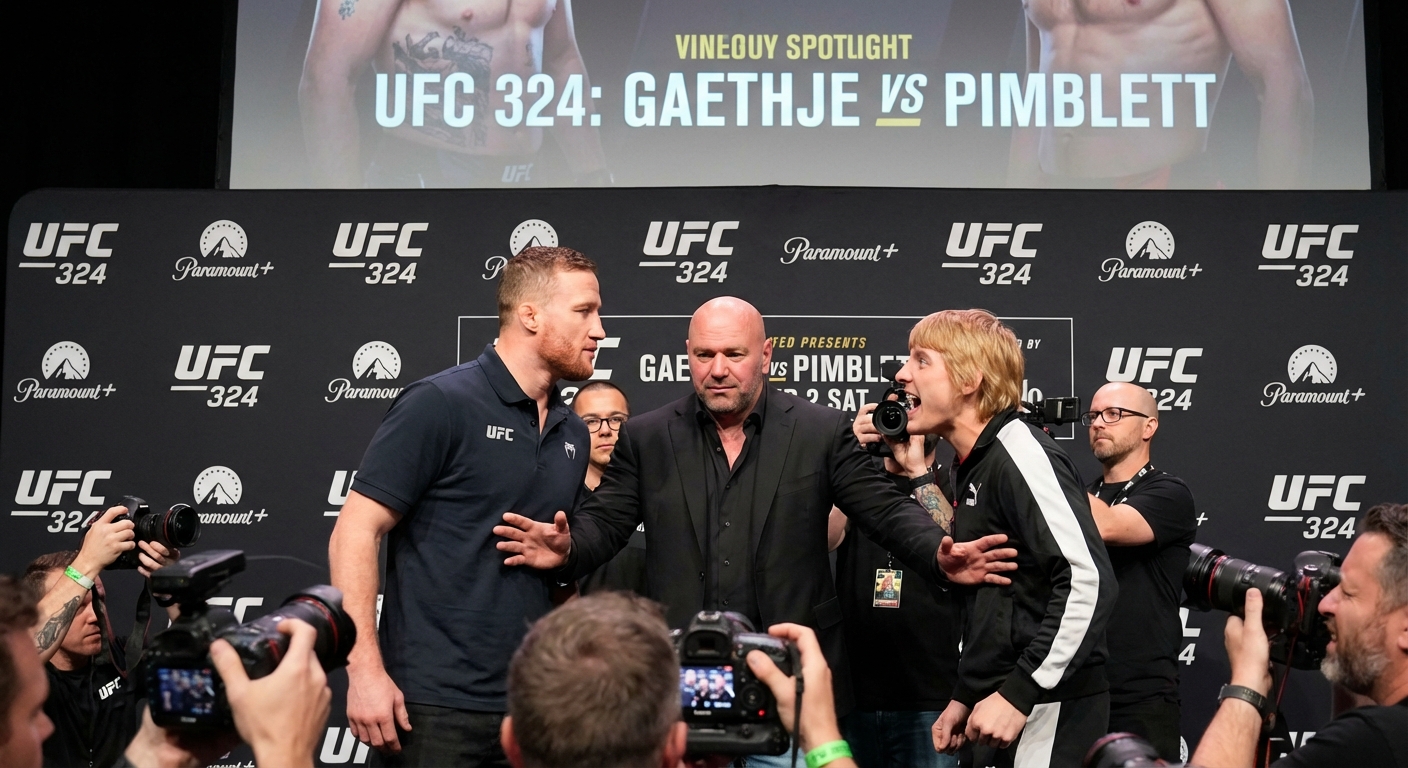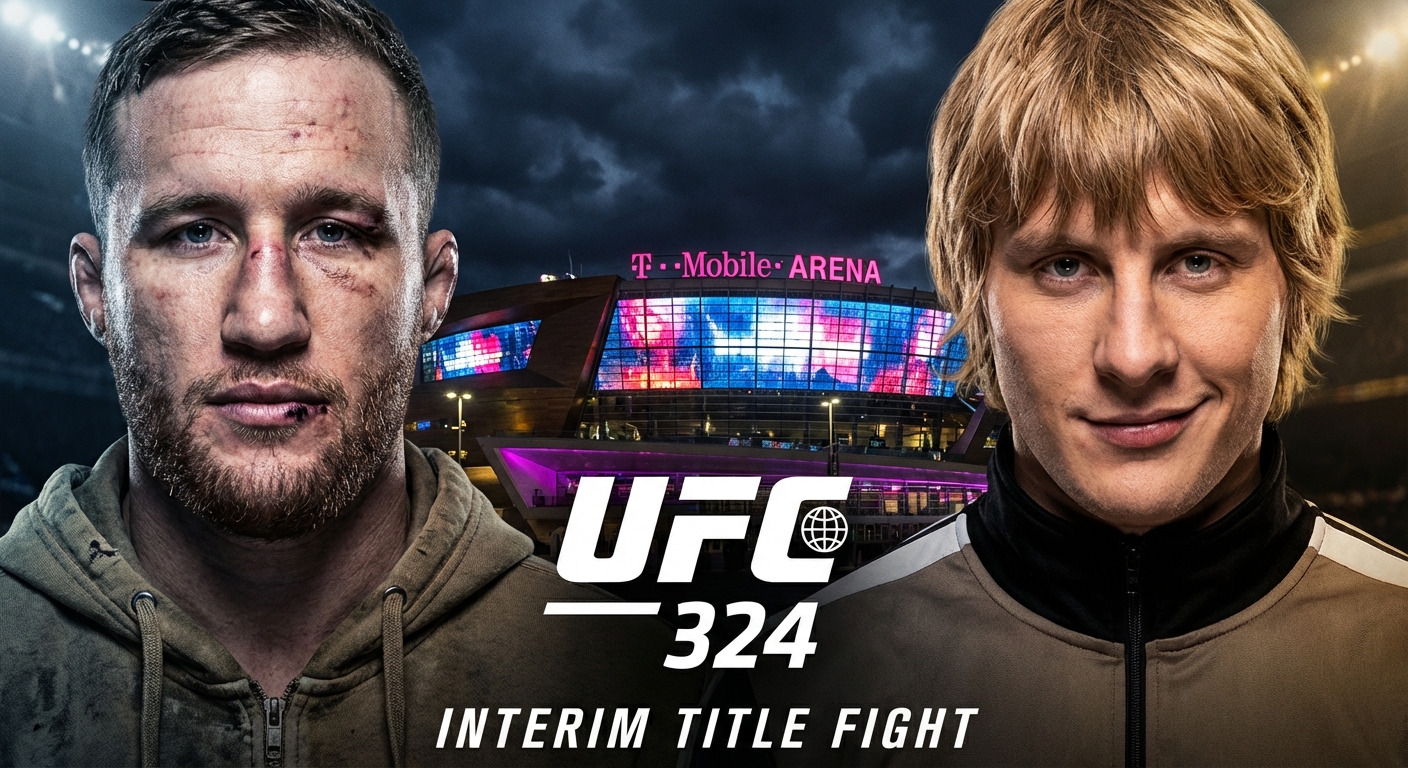
Justin Gaethje has been here before, standing across from another man who believes he deserves the lightweight crown. He’s won these moments more often than he’s lost them, and the scars on his face tell the story of a fighter who has never taken the easy path to anything. On January 24 at T-Mobile Arena in Las Vegas, Gaethje will attempt to add another chapter to his legacy when he faces Paddy Pimblett for the interim UFC lightweight championship.
The fight represents a fascinating collision of styles, generations, and philosophies. Gaethje, at 36, embodies the old-school grinder mentality, a wrestler who fell in love with striking and became one of the most violent fighters in UFC history. Pimblett, at 29, represents the new breed of UFC star, someone whose charisma and social media presence have made him a main event attraction before his resume strictly warranted it. That criticism ends January 24. A win over Gaethje would validate everything Pimblett’s believers have been saying, and it would set up a unification bout with Ilia Topuria that could be the biggest lightweight fight in years.
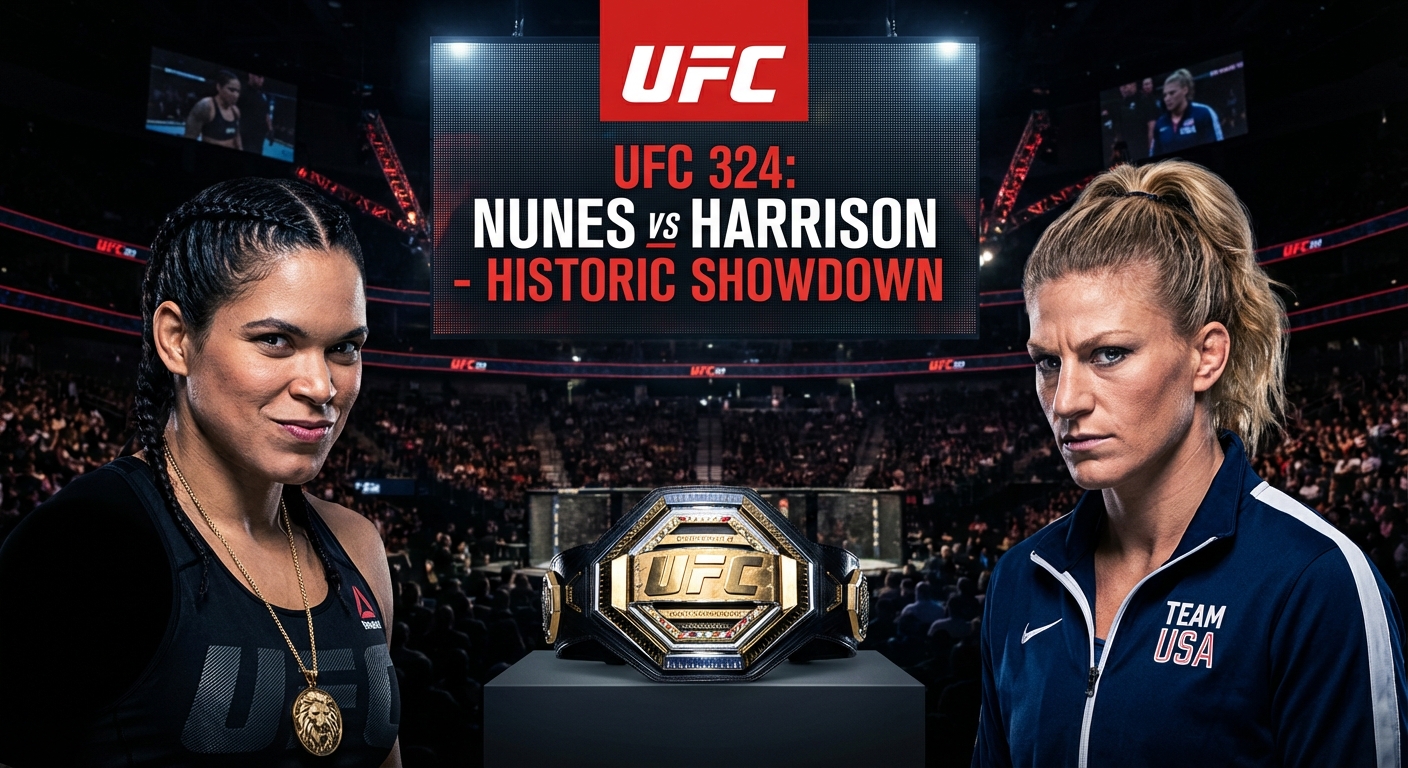
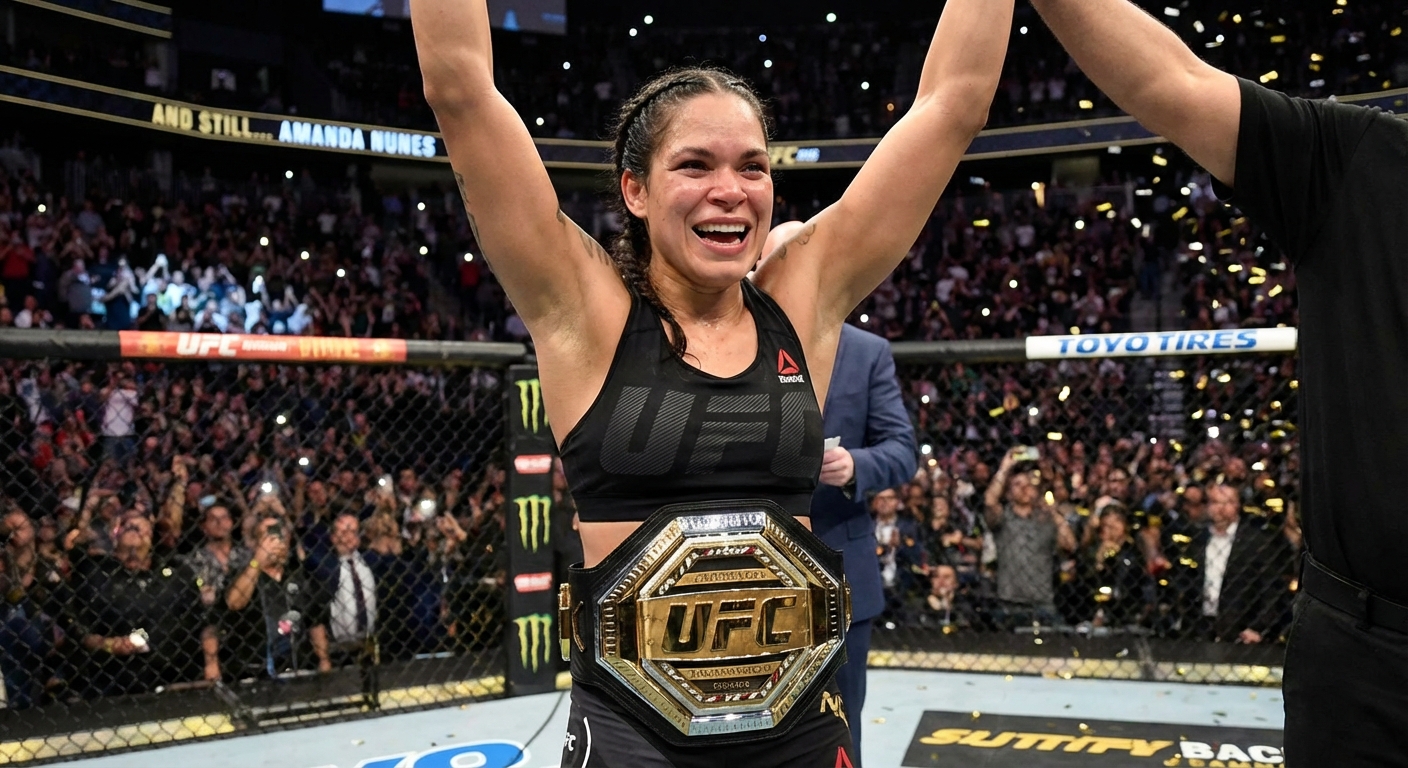
But UFC 324 offers more than just a compelling main event. The co-main feature might actually steal the show when Amanda Nunes, widely considered the greatest female fighter in MMA history, returns from retirement to challenge bantamweight champion Kayla Harrison. It’s the kind of fight that seemed impossible 18 months ago and now feels inevitable.
The Main Event: Violence Meets Personality
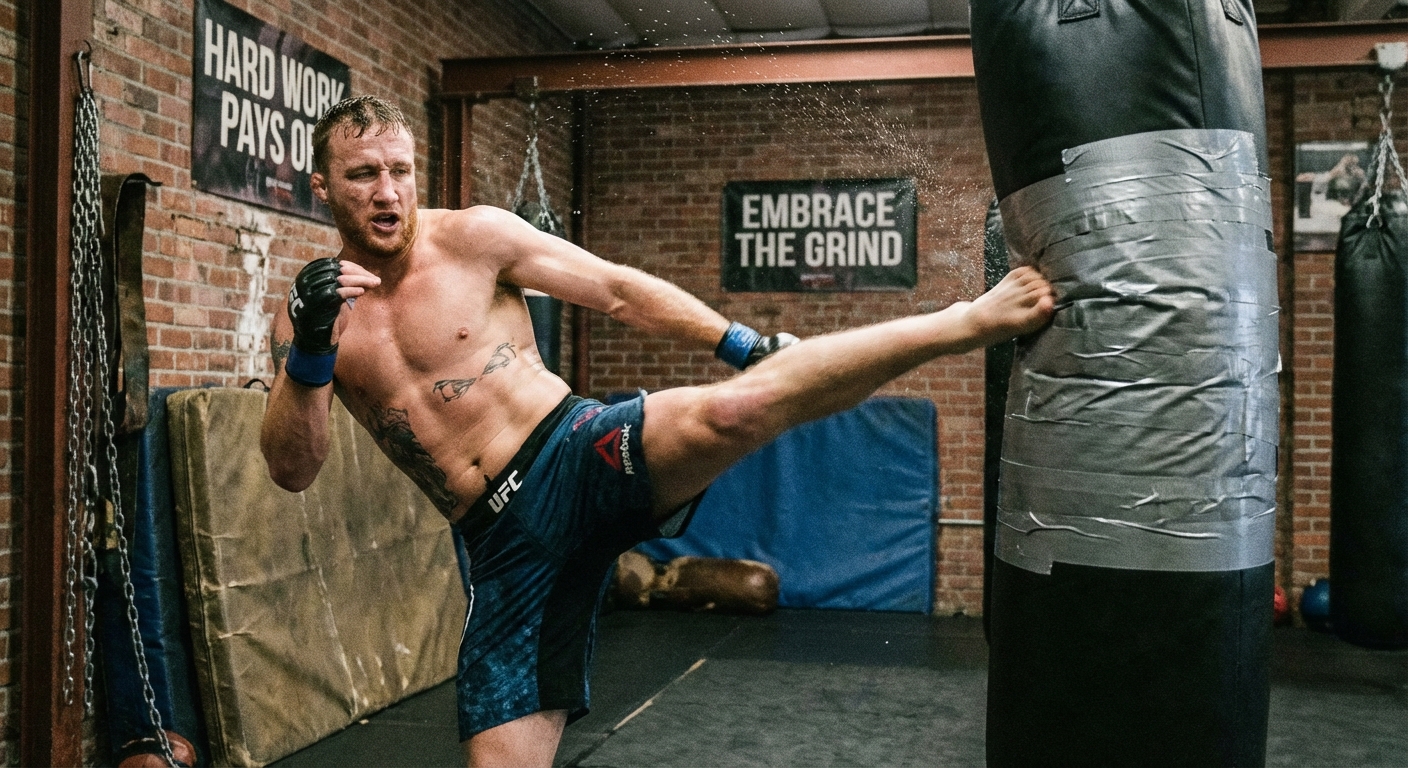
The tale of the tape favors Pimblett in ways that matter and Gaethje in ways that might matter more. Pimblett holds a two-inch reach advantage at 73 inches, and at 5’10” to Gaethje’s 5’11”, per UFC Stats, both fighters will operate in similar ranges. But physical attributes have never been what defines a Gaethje fight. What defines a Gaethje fight is pressure, leg kicks that accumulate damage like compound interest, and a chin that has absorbed shots that would have ended most careers.
Gaethje’s path to this fight tells you everything about his standing in the division. After losing to Islam Makhachev for the undisputed title in 2023, he rebounded with a knockout of Dustin Poirier and a dominant decision over Dan Hooker. That’s two top-ten lightweights dispatched in ways that reminded everyone why Gaethje remains dangerous even as he enters the twilight of his career. His power hasn’t diminished, and his pressure game has actually become more refined as he’s learned to pace himself better over five rounds.
Pimblett’s journey has been more controversial. His UFC debut came with enormous hype from his Cage Warriors days, and he’s largely delivered on that promise, if not always in the dominant fashion his critics demand. The Molly McCann friendship, the Liverpool following, the unapologetic personality: Pimblett has built himself into a star who sells pay-per-views regardless of his ranking. But the substance has been there too. His submission of Tony Ferguson showed evolving grappling, and his knockout of Jared Gordon demonstrated power that translates at the highest level. The question has always been whether Pimblett could handle the elite tier of lightweights, fighters who punch back as hard as they get punched.
The stylistic matchup favors action over strategy. Gaethje will push forward, looking to establish the leg kick early and often. His calf kicks against Poirier were some of the most damaging strikes thrown in a UFC octagon that year, and Pimblett’s stance leaves him vulnerable to the same attack. Pimblett’s best path to victory runs through his jiu-jitsu. If he can avoid accumulating too much leg damage early, he might find opportunities to drag Gaethje into deep water on the ground. Gaethje has shown defensive grappling improvements, but per UFC Stats, he’s been taken down in four of his last six fights, and Pimblett’s submission rate of 45% means even a single successful takedown could end the night.
Nunes vs Harrison: The GOAT Returns
When Amanda Nunes announced her retirement in June 2023, it felt like the definitive end of an era. She had defended the bantamweight and featherweight titles a combined eleven times according to UFC Stats, knocked out Cris Cyborg in 51 seconds, and submitted Ronda Rousey in 48. Her resume reads like a hall of fame ballot with no weak spots. So when reports emerged that she was considering a return, the MMA world responded with appropriate skepticism. Comebacks rarely work out the way fighters imagine them.
But Nunes isn’t returning for a tune-up fight or a quick payday. She’s coming back to face Kayla Harrison, her former teammate at American Top Team and the most dominant judoka in PFL history. Harrison’s transition to the UFC has been everything the promotion hoped for. Two straight finishes against legitimate competition, and a title shot that felt earned rather than manufactured. Now she holds the belt that Nunes once owned, and she’ll have to defend it against the woman who redefined what female fighters could accomplish.
The dynamic between former training partners always adds intrigue to a fight. They know each other’s tendencies, have felt each other’s power, and understand the subtle technical details that outside opponents must discover the hard way. Harrison’s judo credentials are unimpeachable — two Olympic gold medals per the International Judo Federation — and a ground game that has overwhelmed everyone she’s faced in MMA. But Nunes has solved world-class grapplers before. Her takedown defense against Valentina Shevchenko and her ability to scramble away from danger against Cat Zingano showed a grappling IQ that matched her striking prowess.
At 37, Nunes is taking a significant risk. Ring rust is real, and Harrison represents the worst possible stylistic matchup for a returning fighter looking for an easy transition back. But Nunes has never sought easy fights. Her legacy was built on walking through challenges that would have deterred lesser champions, and a victory over Harrison would silence the only remaining argument against her legacy: that she retired without facing the division’s most dangerous challenger.
The Paramount+ Era Begins
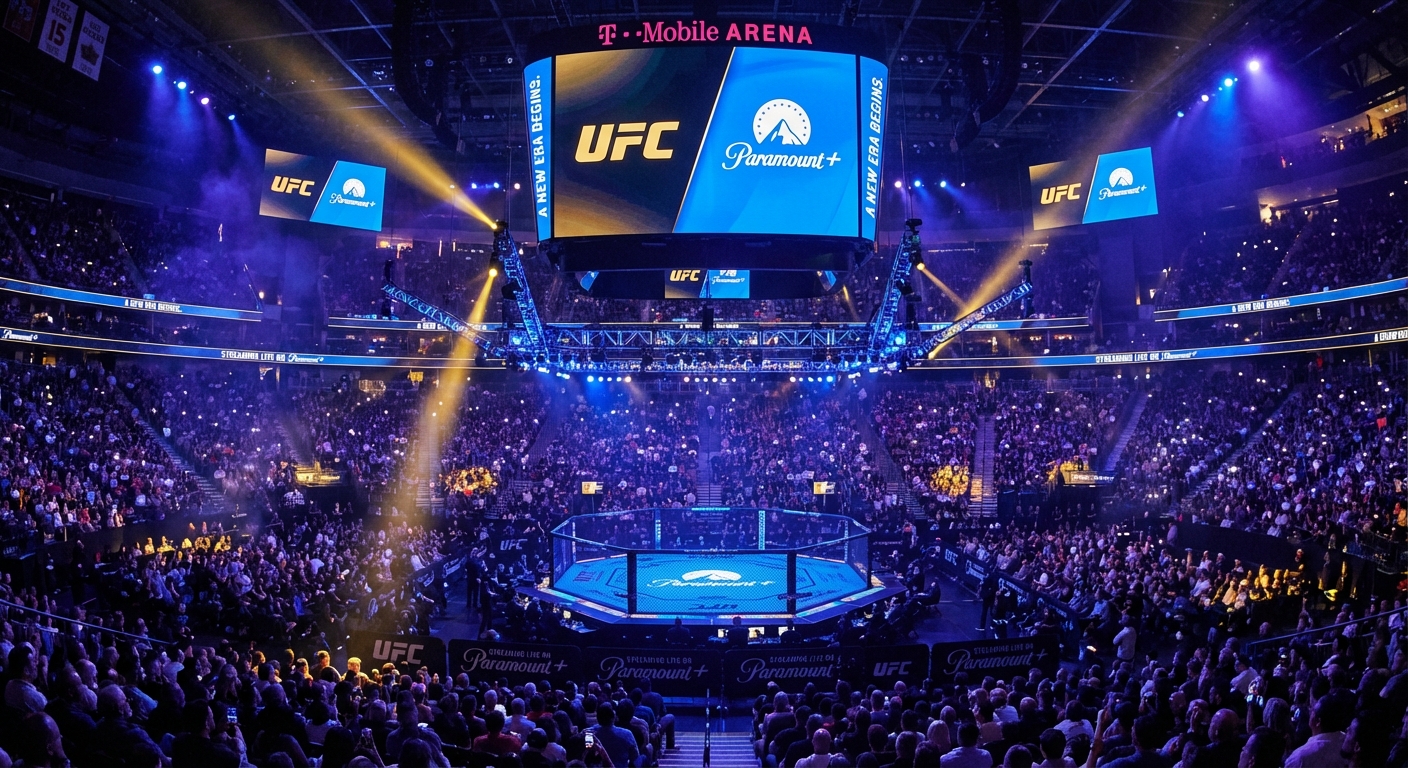
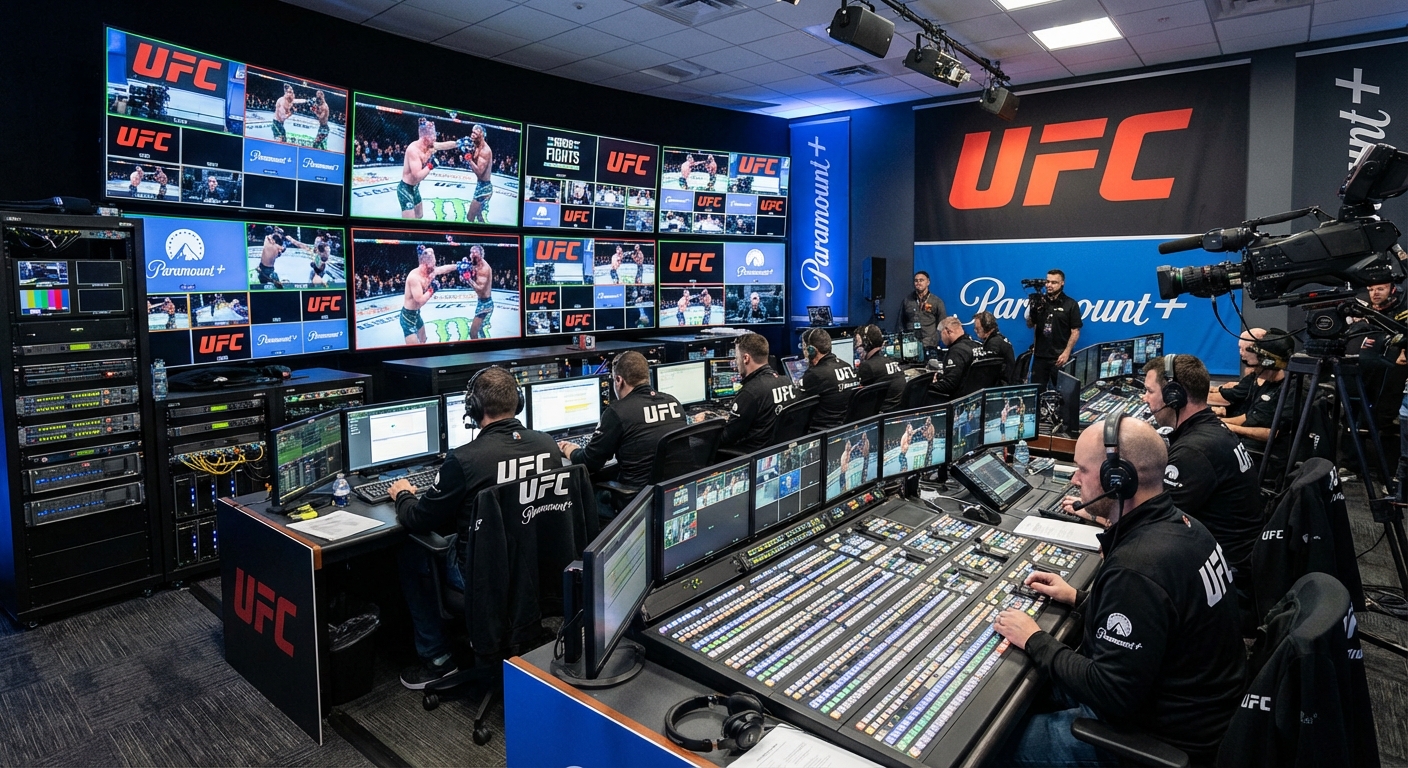
UFC 324 marks more than just a collection of compelling fights. It represents the first major event in the UFC’s new streaming partnership with Paramount+, a seven-year, $7.7 billion deal that fundamentally changes how fans access the sport. The financial implications are staggering, but the fan experience shifts might matter even more.
Under the ESPN+ model, pay-per-view events cost $79.99 each, according to ESPN MMA. A dedicated fan watching all 12 numbered events annually was spending nearly $1,000 just on PPV access, not counting the ESPN+ subscription required to purchase them. The Paramount+ model bundles everything into a single subscription. The Essential tier runs $90 annually, while the Premium ad-free option costs $140. For fans who purchase more than two pay-per-views per year, the new model represents significant savings.
The question becomes whether accessibility improves viewership without cannibalizing revenue. UFC’s international broadcast deals remain intact, and the domestic streaming shift could actually expand the audience by lowering barriers to entry. A casual fan who might have skipped a pay-per-view can now watch on a whim, potentially converting into a dedicated follower. Dana White has spoken confidently about the transition, suggesting that UFC’s content library and event frequency make it an ideal streaming anchor.
Undercard Fights Worth Watching
The main card offers depth beyond the headline bouts. Sean O’Malley faces Yadong Song in a bantamweight contest that could determine the next title challenger. O’Malley’s knockout power and length have made him nearly unbeatable at 135 pounds, but Song’s pressure and durability present a unique test. O’Malley has struggled when forced to fight moving backward, and Song’s aggressive style might exploit that tendency.
Derrick Lewis returns against W. Cortes-Acosta in a heavyweight bout that promises violence for as long as it lasts. Lewis holds the UFC record for knockout victories at heavyweight per UFC Stats, and at 40, he’s shown no signs of losing the one-punch power that has defined his career. Cortes-Acosta represents the new generation of heavyweights, athletic and well-rounded in ways that Lewis’s generation often wasn’t. It’s a classic clash of power versus youth.
Umar Nurmagomedov continues his climb toward title contention when he faces Deiveson Figueiredo in a bout that tests whether Nurmagomedov’s suffocating grappling can control a former flyweight champion. Nurmagomedov has looked untouchable at bantamweight, his wrestling fundamentals and positional control creating the same inescapable pressure his cousin Khabib became famous for. Figueiredo’s move up in weight has rejuvenated his career, but Nurmagomedov represents the first true elite test since the transition.
How This Plays Out
The real story of UFC 324 may not be who wins the interim belt, but what happens to the winner afterward. If Pimblett captures interim gold, the UFC gains a unification fight between two charismatic strikers in Pimblett and Topuria that could break international PPV records across Liverpool, Spain, and the broader European market. If Gaethje wins, the promotion faces a tougher sell: a 37-year-old interim champion in a unification bout that feels more like a farewell tour than a blockbuster. The UFC’s matchmaking calculus almost certainly favors a Pimblett victory, which makes the officiating and judging worth watching closely in a fight that goes to the scorecards.
The Paramount+ debut adds genuine stakes beyond the octagon. If UFC 324 draws north of two million unique streams on its first night, expect the promotion to fast-track the Topuria unification bout for the rumored White House card in June. A disappointing viewership number could shift leverage back toward fighters in future broadcast negotiations and raise questions about whether the streaming transition was premature.
Gaethje wins this fight in rounds three through five after surviving an early scare. Pimblett’s best window is the first two rounds before cumulative leg damage limits his movement and scrambling ability. Look for Gaethje to land over 40 significant leg kicks across five rounds, gradually converting Pimblett from a dynamic mover into a stationary target. The call here: Gaethje by fourth-round TKO after Pimblett’s corner stops the fight due to a compromised lead leg. For Nunes-Harrison, the x-factor is clinch work along the cage — Harrison’s judo translates less effectively in the open octagon than in the clinch, and Nunes has the footwork to keep the fight at range. Nunes reclaims the belt by split decision in the closest fight of her career, setting up a rematch that could anchor the UFC’s fall schedule.
Sources
- UFC 324: Gaethje vs. Pimblett - MMA News, January 2026 UFC event schedule and bout announcements
- Dana White Announces First Key Bouts For 2026 - UFC.com, Official card announcement and matchup details
- UFC Moves to Paramount+ - Yahoo Sports, Breakdown of the streaming deal and pricing tiers
- Amanda Nunes to Unretire, Calls for Winner of Pena-Harrison - ESPN MMA, Reporting on Nunes’s return and Harrison matchup
- UFC 324 Fight Card Predictions: Expert Picks for Gaethje vs. Pimblett - CBS Sports, Detailed fight analysis and odds breakdown