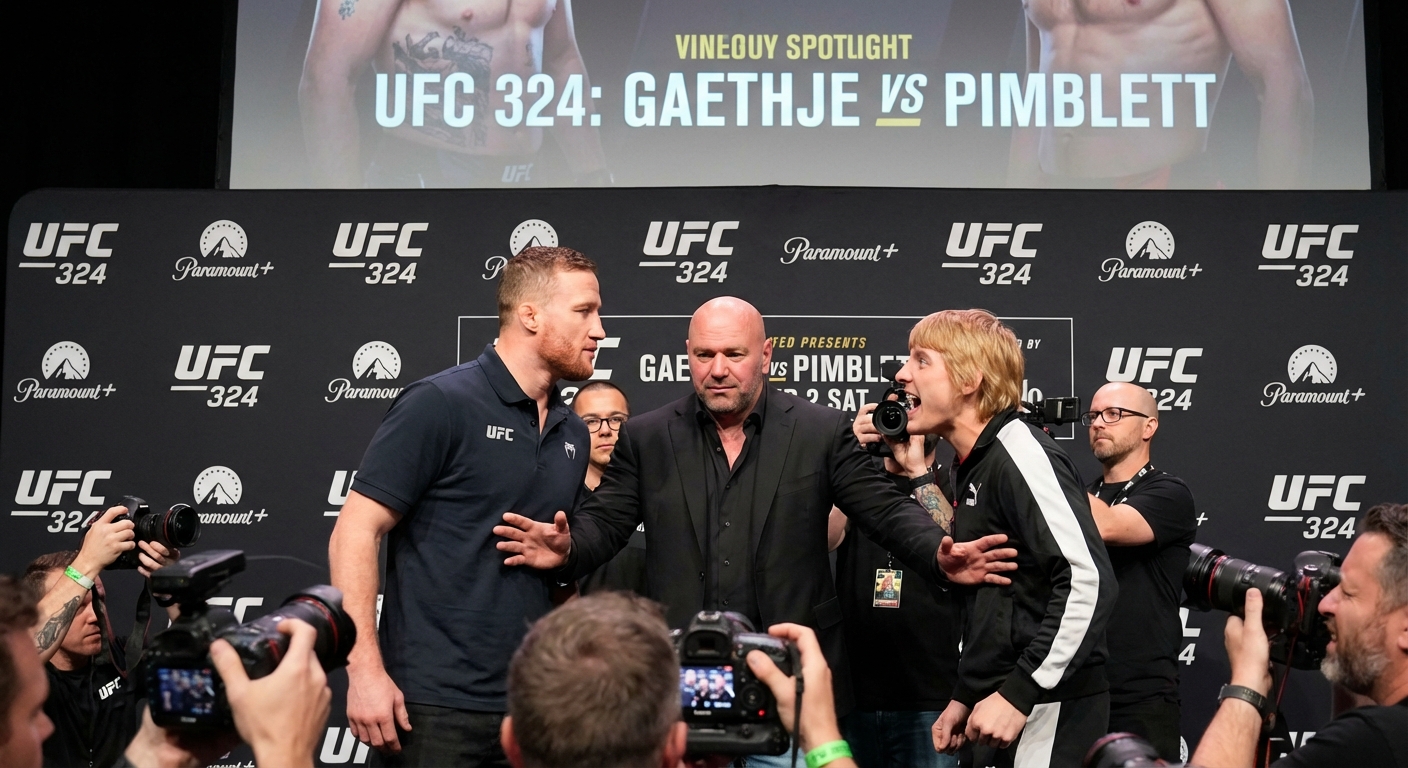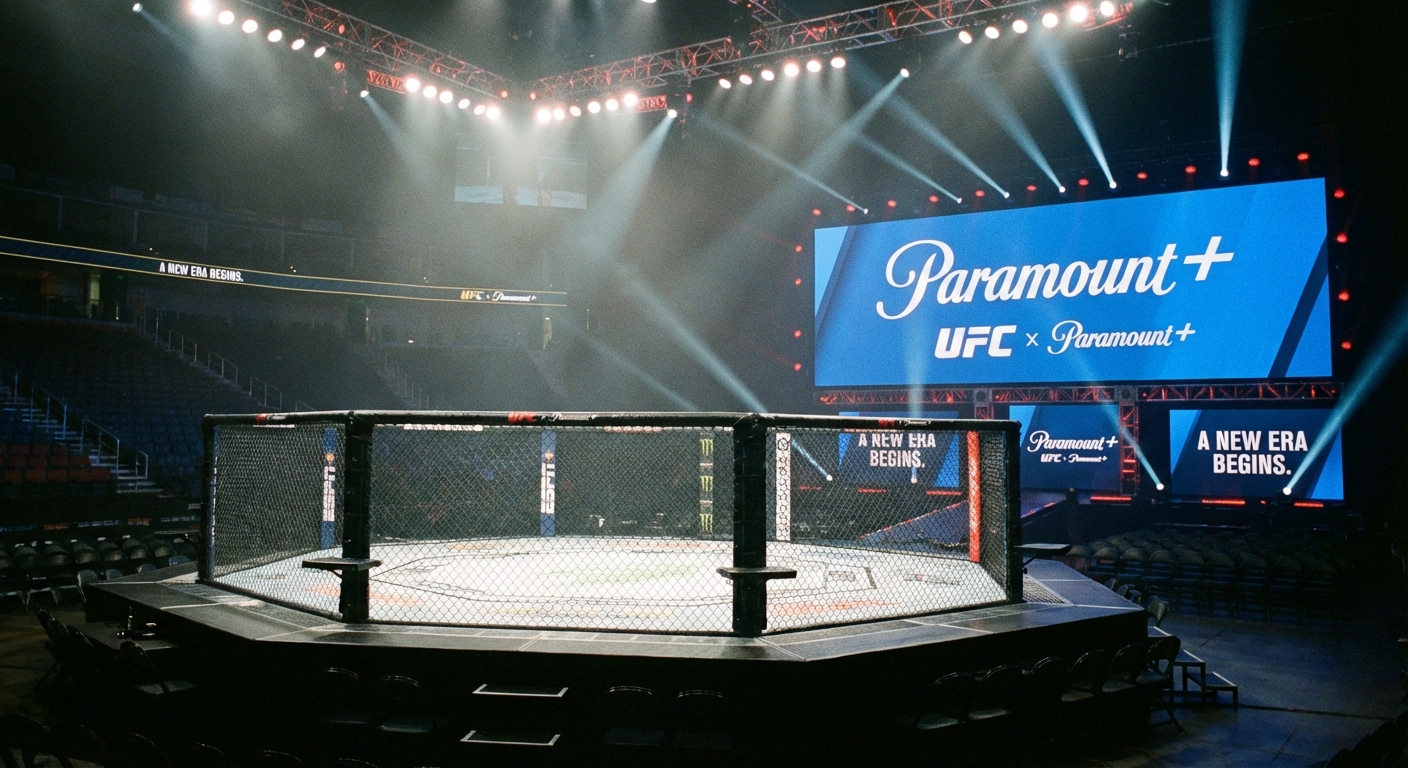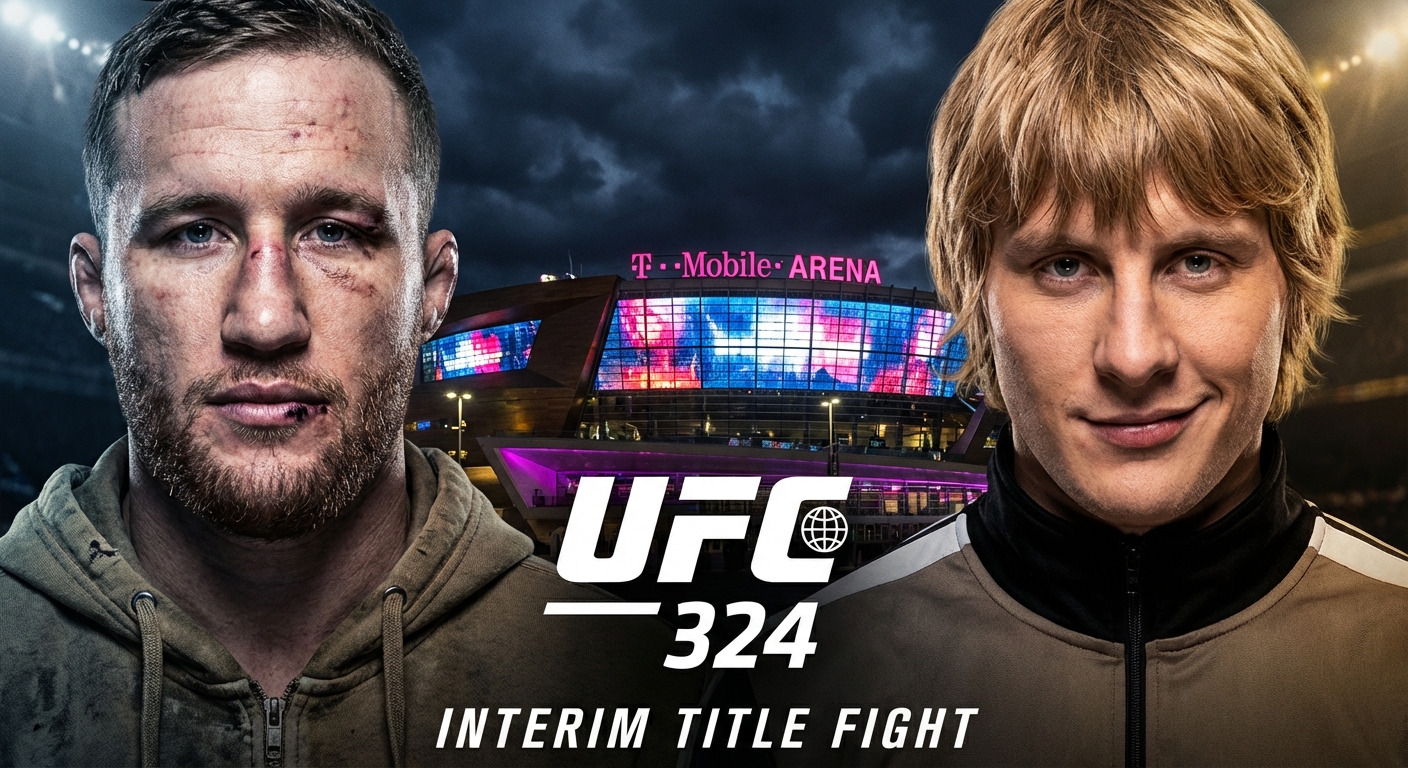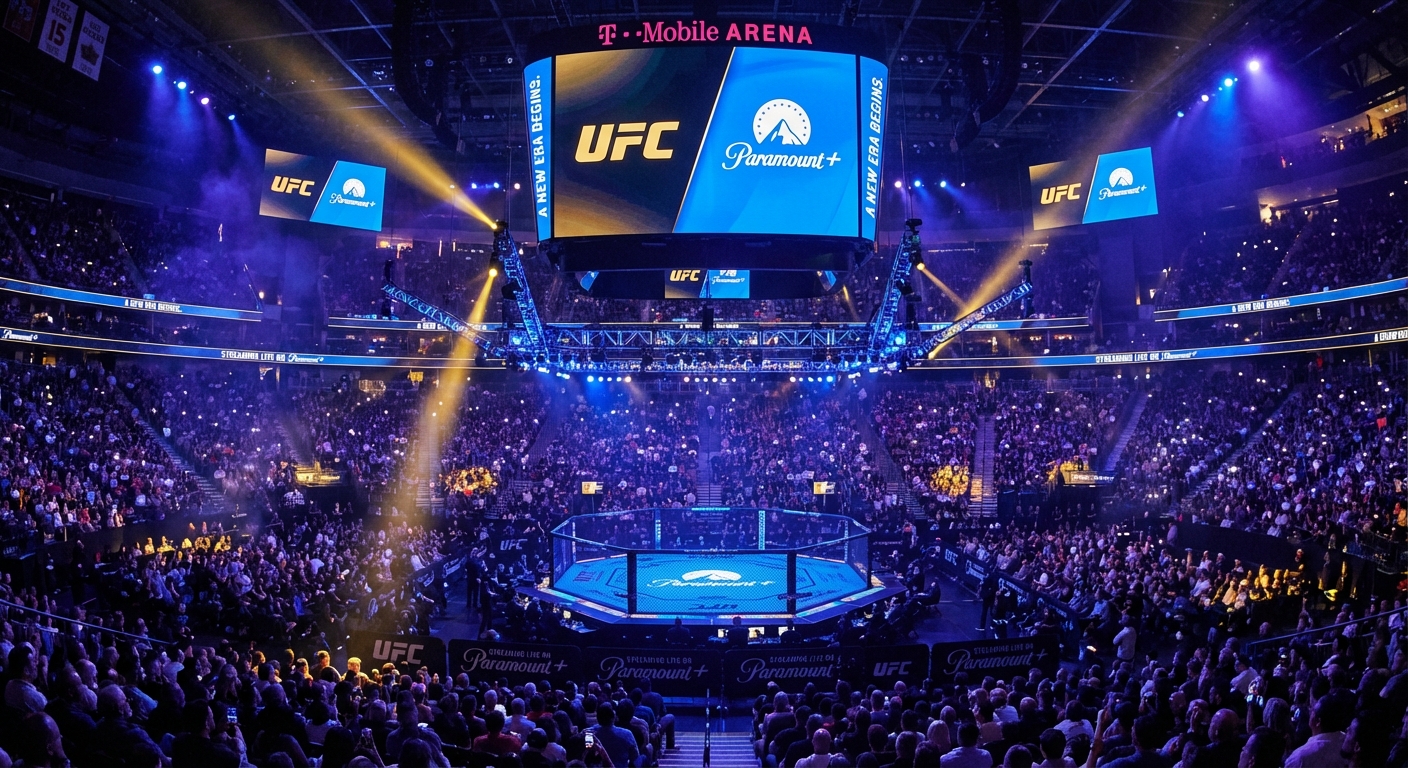
For two decades, the UFC’s business model has relied on a simple proposition: pay approximately $80 to watch the biggest fights, or miss them entirely. The pay-per-view system built the promotion into a multi-billion dollar enterprise, turning Dana White from a boxing manager into one of the most powerful figures in sports media. Champions like Conor McGregor, Ronda Rousey, and Jon Jones became household names largely through the scarcity that pay-per-view creates, with each major event feeling like a must-see spectacle precisely because fans had to make an active financial decision to watch. That era ends in 11 days. UFC 324, headlined by Justin Gaethje versus Paddy Pimblett for the interim lightweight championship, will stream exclusively on Paramount+ at no additional cost beyond the standard subscription. The $7.7 billion, seven-year deal announced last August, as first reported by John Ourand of Puck and confirmed by Variety, represents the most significant shift in UFC economics since the promotion’s acquisition by Zuffa in 2001.
The numbers attached to this agreement dwarf anything MMA has seen before. Seven point seven billion dollars over seven years works out to approximately $1.1 billion annually, more than triple what ESPN paid under the previous agreement. Paramount+ gains exclusive streaming rights to all UFC events, including the numbered pay-per-views that previously generated hundreds of millions in direct consumer revenue. Four events per year will also air on CBS’s broadcast network, bringing the UFC to free television audiences who may have never considered purchasing a fight. Dana White has called it the most important deal in UFC history, and for once, his hyperbole appears justified.
The End of Pay-Per-View As We Know It
The elimination of the traditional pay-per-view model represents a calculated gamble by both the UFC and Paramount+. Under the old system, major events like UFC 200 or McGregor’s return fights could generate upwards of 1.5 million buys at $80 each, per UFC Stats and pay-per-view tracking data, producing over $100 million in direct revenue from a single card. The UFC received approximately 50% of that revenue, with the remainder going to cable distributors and production costs. Moving to streaming eliminates that direct revenue stream entirely, betting instead that the deal’s guaranteed payments and subscriber growth will prove more valuable than the unpredictable peaks and valleys of pay-per-view performance.
For Paramount+, the acquisition represents a desperate attempt to compete in the streaming wars. The platform has struggled against Netflix, Disney+, and Amazon Prime, per Hollywood Reporter’s streaming market analysis, lacking the flagship content that drives subscriber acquisition and retention. UFC events provide exactly what Paramount+ needs: live programming that cannot be time-shifted, with a passionate fanbase willing to maintain subscriptions specifically to watch fights. The deal essentially buys Paramount+ relevance in a marketplace where second-tier streamers are disappearing or consolidating. Whether that massive outlay proves wise depends entirely on how many subscribers the UFC delivers and how many of them stick around between events.
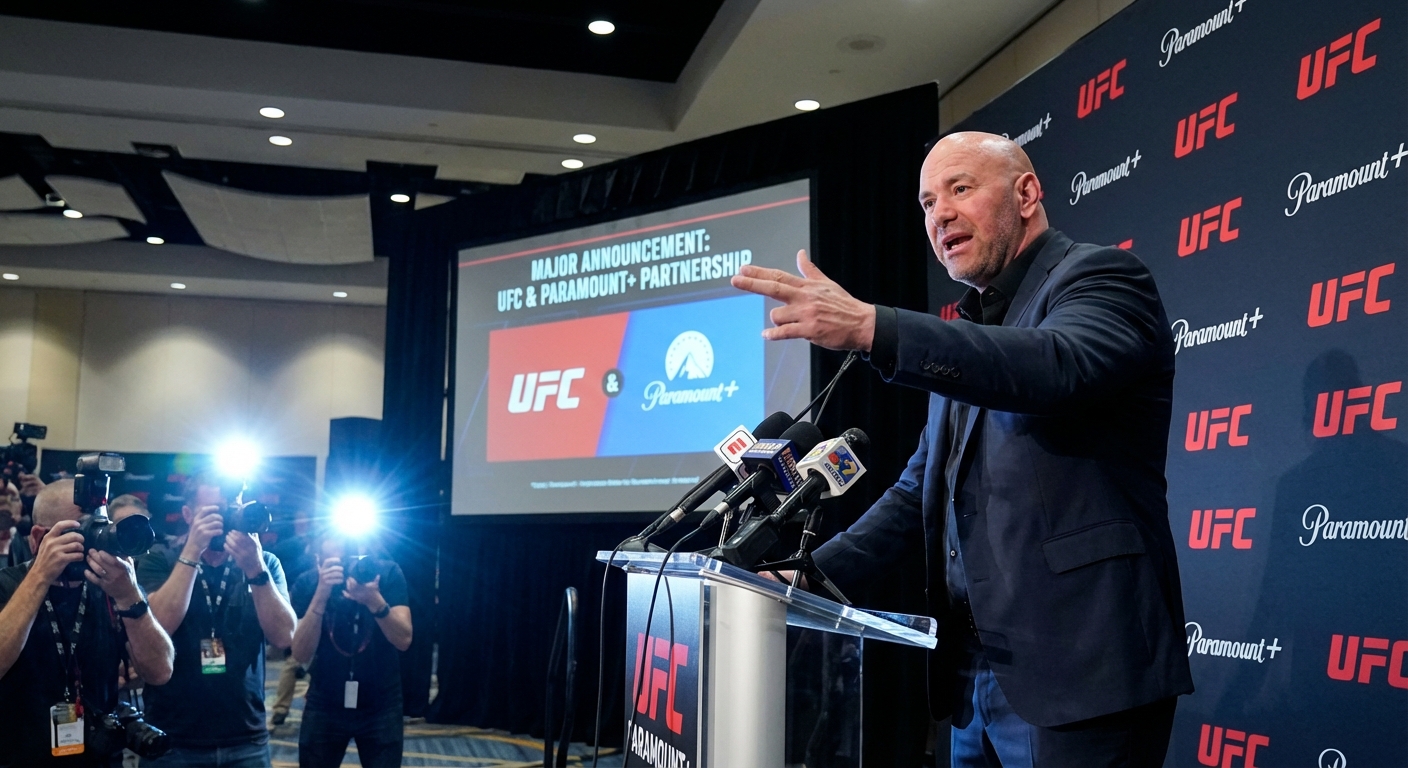
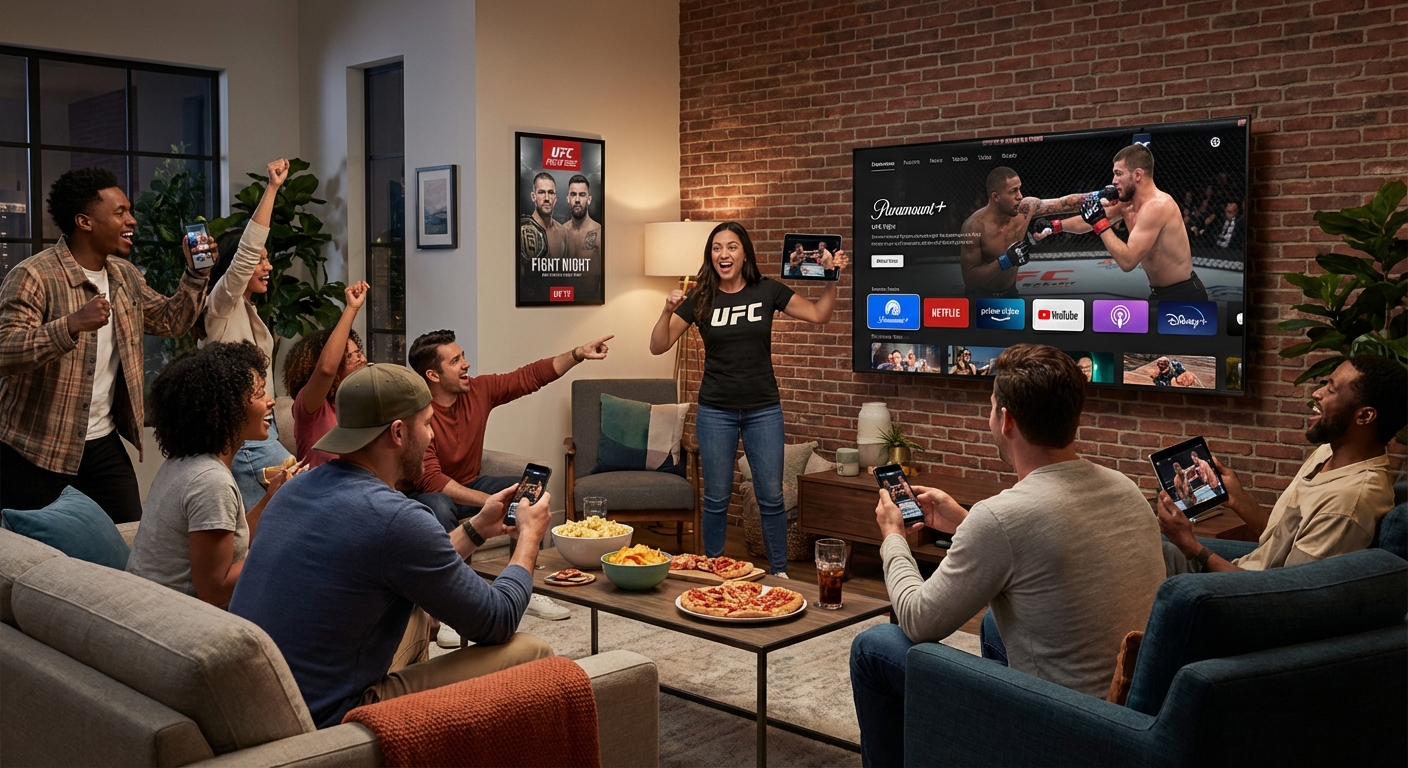
The fan experience changes dramatically under the new model. UFC subscribers no longer need to budget $80 per month for major events or gather with friends to split pay-per-view costs. A Paramount+ subscription costs $5.99 per month with ads or $12.99 without, making UFC content accessible to millions who previously couldn’t justify the pay-per-view expense. The barrier to entry has essentially vanished, transforming the UFC from a premium product requiring significant investment into a standard streaming offering available to anyone willing to pay less than the cost of a fast-food meal. How this democratization reshapes the UFC’s cultural significance will depend on whether accessibility drives deeper fan engagement or erodes the event-driven urgency that pay-per-view scarcity created.
UFC 324: The First Test
The inaugural Paramount+ event carries appropriate significance. Justin Gaethje versus Paddy Pimblett for the interim lightweight championship promises the kind of action that has always defined UFC pay-per-views. Gaethje is perhaps the most exciting fighter in the promotion’s history, a relentless pressure fighter who has never been in a boring fight and who leaves everything in the Octagon regardless of the outcome. Pimblett has become one of the UFC’s most marketable personalities, combining genuine fighting ability with a charisma that translates into social media engagement and mainstream attention. Their collision should produce either a knockout or a war, exactly what Paramount+ needs to justify its investment.
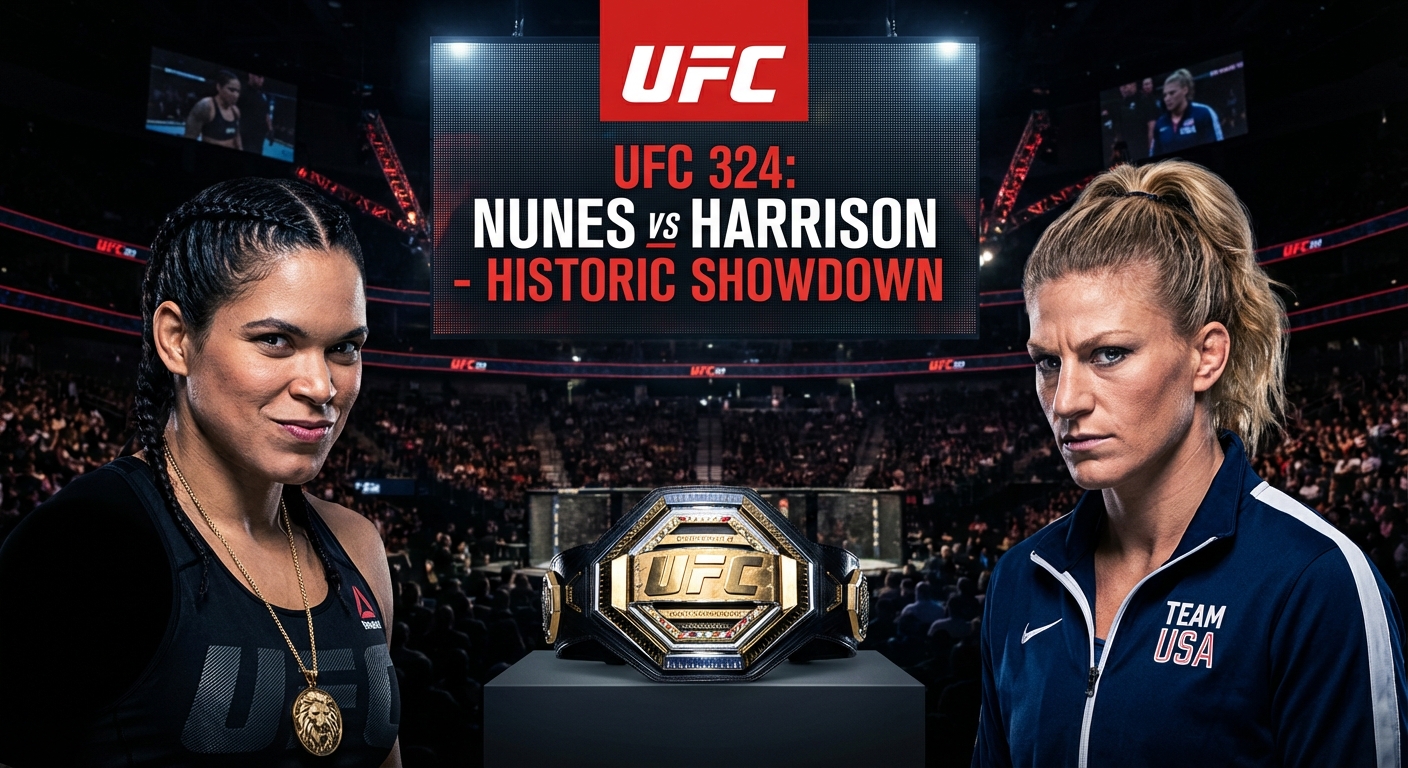
The co-main event adds another layer of intrigue. Kayla Harrison versus Amanda Nunes for the women’s bantamweight championship pits the current champion against the greatest female fighter in MMA history. Nunes retired in 2023 after dominating the women’s divisions for nearly a decade, and her return to face her former training partner has generated the kind of storyline that marketing departments dream about. If Nunes wins, she reclaims her throne and adds another chapter to an already legendary career. If Harrison wins, she cements herself as the new face of women’s MMA. The stakes couldn’t be higher for either fighter.
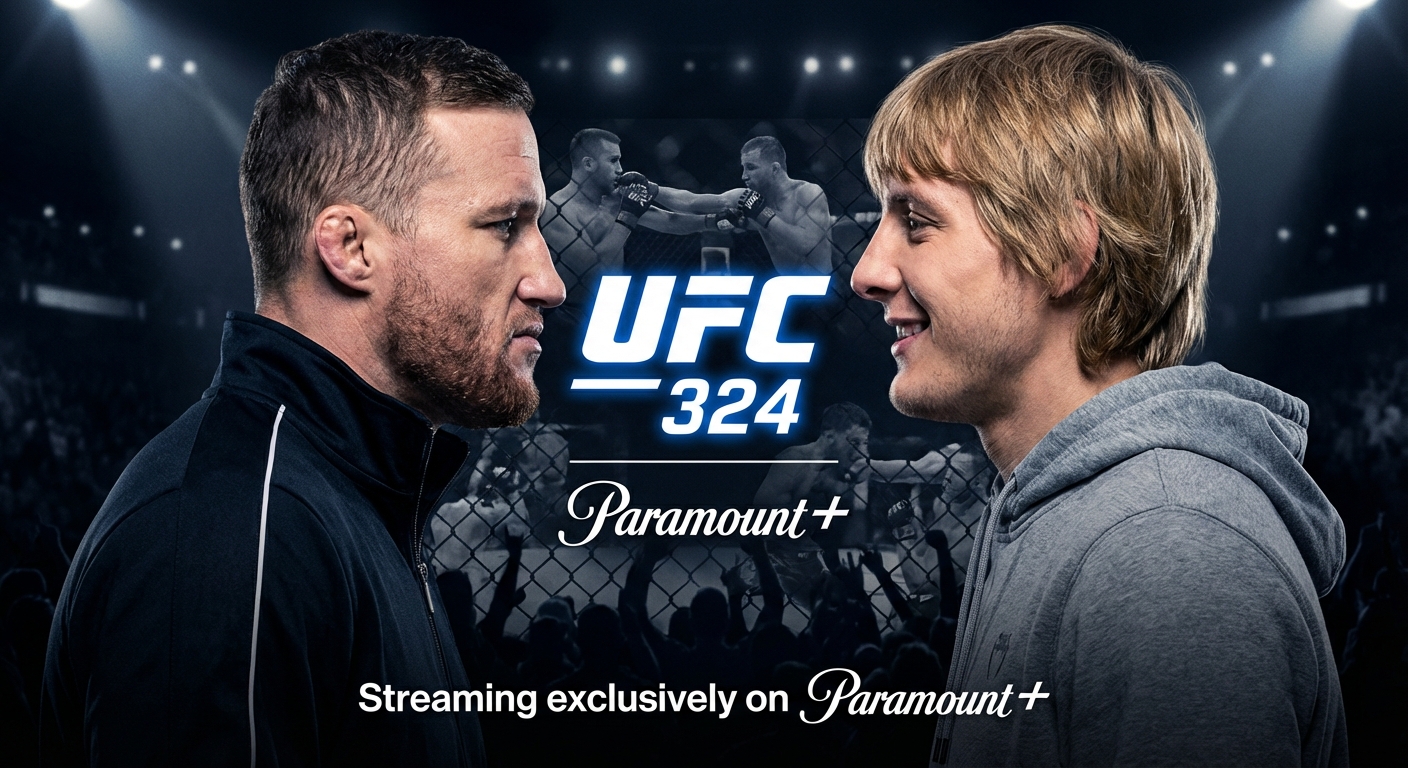
The undercard features several fights that would headline lesser events. Sean O’Malley versus Yadong Song pits two of the bantamweight division’s most dynamic strikers in a bout that could determine the next title challenger. Umar Nurmagomedov, cousin of the retired great Khabib, continues his climb toward championship contention against Deiveson Figueiredo. Arnold Allen versus Jean Silva offers a featherweight clash between two fighters on the cusp of title shots. The depth of the card reflects Paramount+‘s desire to make a strong first impression, loading the event with name recognition and potential for spectacular finishes.
What This Means for Fighters
The implications for UFC athletes remain unclear, and the fighter community has expressed both optimism and concern about the new arrangement. The increased guaranteed revenue should theoretically allow the UFC to pay fighters more generously, but the promotion has historically resisted increasing fighter compensation regardless of revenue growth. The fighter share of total UFC revenue has hovered around 16-20% for years, per industry data compiled by MMA Fighting, a figure far below the 50% that major professional sports leagues typically distribute to players according to league collective bargaining disclosures. Whether the Paramount+ windfall changes that calculation depends entirely on how much pressure fighters and their representatives can apply.
The elimination of pay-per-view points affects top fighters most directly. Champions and main event fighters have traditionally received a percentage of pay-per-view revenue, with stars like McGregor earning several dollars per buy on top of their guaranteed purses, as ESPN MMA’s Brett Okamoto has detailed in his reporting on fighter pay structures. Under the new model, this additional compensation stream disappears, replaced presumably by higher guaranteed payments that the UFC has not publicly detailed. Fighters who could previously earn millions from a successful pay-per-view now receive only what their contracts specify, removing the upside potential that once made UFC stardom financially transformative.
The accessibility argument cuts both ways for fighter exposure. More fans watching means more potential for individual fighters to build followings and secure sponsorship opportunities outside the UFC. But the scarcity that made UFC appearances feel special also elevated fighter profiles in ways that ubiquitous streaming may dilute. A fighter who appears on a pay-per-view that generates 1 million buys carries different cachet than one who appears on a streaming event watched by a similar number of subscribers. The currency of fame operates according to complex psychology that the UFC’s move to streaming may fundamentally alter.
The Bigger Picture for MMA
The Paramount+ deal signals MMA’s maturation as a mainstream sport while also raising questions about its long-term trajectory. Traditional sports leagues have moved toward streaming, with NFL games on Amazon Prime and MLB on Apple TV+ demonstrating that live sports content drives subscriber growth more effectively than scripted programming. The UFC’s embrace of this model positions the promotion alongside established leagues rather than as an alternative entertainment product competing for discretionary spending.
The deal also represents a vote of confidence in the UFC’s continued growth potential. Paramount+ isn’t paying that record sum for current viewership numbers; they’re betting on the UFC expanding its audience over the seven-year term. That expansion requires the promotion to continue developing stars, particularly in the post-McGregor era when no single fighter commands mainstream attention the way he did at his peak. The streaming model should help with star-making by removing financial barriers that prevented casual fans from discovering emerging talents. Whether the UFC can cultivate the next generation of household names will determine if Paramount+‘s bet pays off.
The international implications deserve attention as well. Pay-per-view distribution varied significantly by country, with many international fans unable to legally purchase events or facing prohibitive pricing. Paramount+ operates globally, potentially opening UFC content to markets that were previously underserved. The promotion has identified international growth as a priority, with events scheduled in markets from Europe to Asia throughout 2026. If the streaming model makes UFC content accessible to fans worldwide, the total addressable audience could expand dramatically.
The Takeaway
The Paramount+ era fundamentally alters the economic incentive structure that shaped modern MMA. Under pay-per-view, the UFC’s business model rewarded polarizing personalities and finish-oriented matchmaking because those elements sold individual events. Streaming subscriptions reward consistency and volume instead, as MMA analyst Luke Thomas has observed, because the goal shifts from convincing fans to buy one card to keeping them subscribed across an entire calendar year. That distinction matters more than the dollar figures suggest. The UFC may begin prioritizing competitive matchups and divisional storylines over spectacle-first booking, because subscriber retention demands a different product than impulse purchasing does.
This structural shift also changes the UFC’s leverage equation with broadcast partners. Pay-per-view made the UFC functionally independent: it controlled its distribution, set its pricing, and captured revenue directly from consumers. Under streaming, Paramount+ becomes the intermediary between the UFC and its audience, owning the subscriber relationship and the data that comes with it. If this deal ends badly or Paramount+ merges with another platform, as MMA Junkie’s Nolan King has noted, the UFC would need to rebuild its distribution infrastructure from scratch. The promotion traded autonomy for guaranteed revenue, a decision that looks prudent at the current annual rate but carries real long-term risk.
UFC 324 on January 24 will show whether the streaming format changes the atmosphere that makes UFC events distinct. The pay-per-view model created a shared investment among viewers, a collective financial stake that heightened emotional engagement. Streaming removes that friction by design. The UFC is betting that lower barriers produce larger, more engaged audiences rather than more passive ones. The first months of viewership data will reveal whether that bet holds, and the fighter pay negotiations that follow will determine who actually benefits from the new economics of MMA.
Sources
- Paramount, TKO Group Reach 7-Year Deal for All UFC Events in U.S. - ESPN
- Paramount Nabs UFC Rights in Major $7.7 Billion Deal - Variety
- UFC’s Paramount Billions Might Not Flow to Fighters - Front Office Sports
- UFC Delivers Historic Night in Paramount+ Debut - UFC.com
- Paramount and UFC Announce Debut Event on Paramount+ UFC 324 - UFC.com