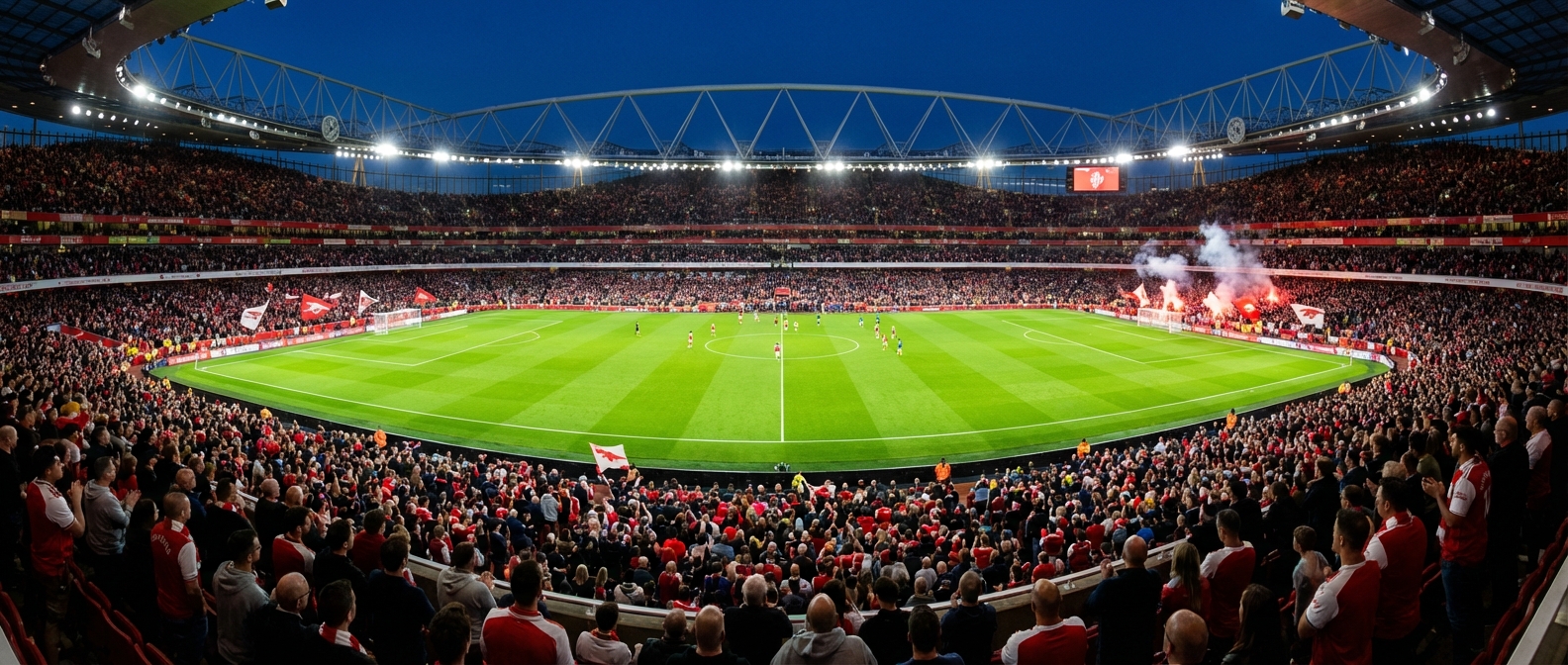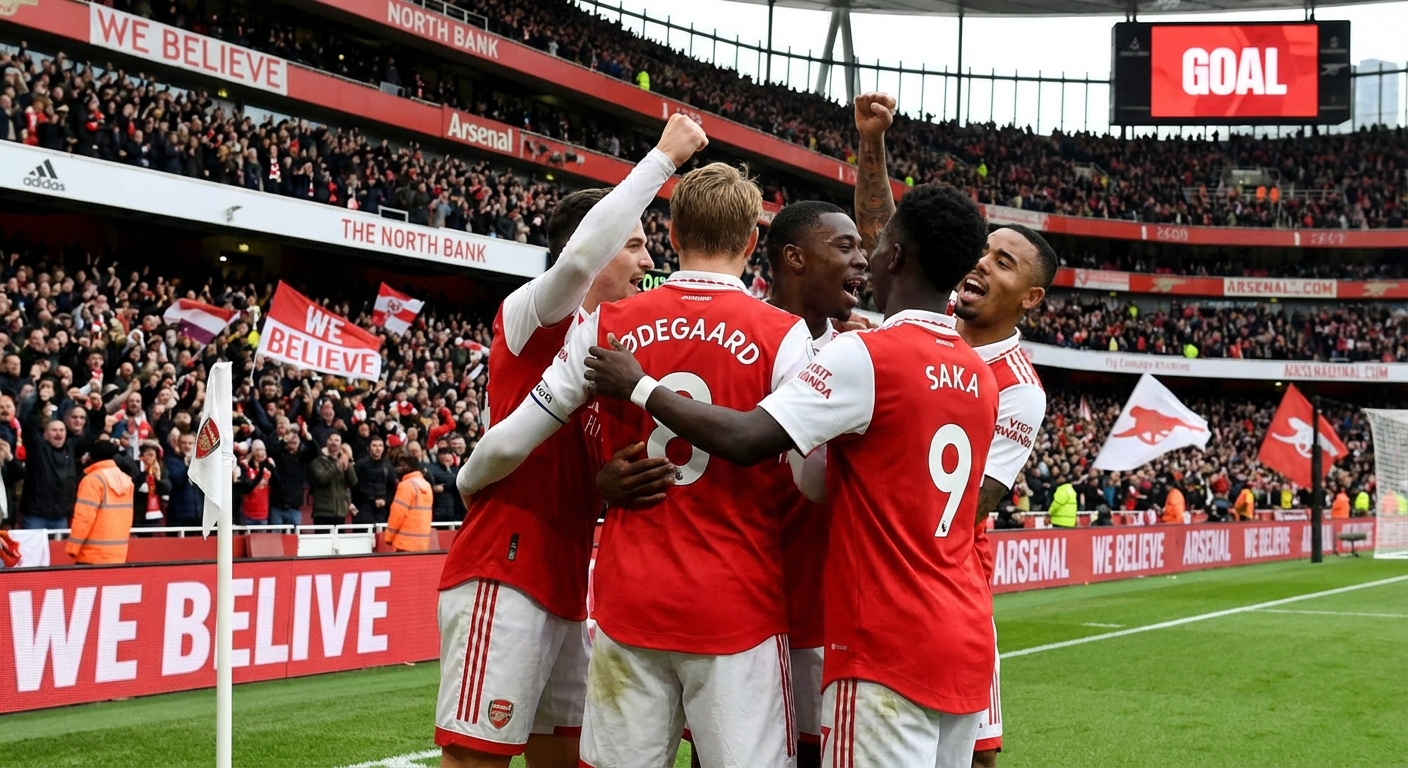
The numbers are almost too good to believe for Arsenal supporters who have endured 22 years of watching other teams lift the Premier League trophy. Seven points clear at the top of the table with 16 games remaining. An 87% probability of winning the title according to Opta’s supercomputer. Fifteen wins from 22 matches, the best record in the division by a comfortable margin. After two consecutive second-place finishes that ended in heartbreak, Mikel Arteta’s team finally looks ready to complete the mission.
Manchester City’s stumble into the new year has opened the door wider than ever. The defending champions dropped six points in the first week of January alone, drawing three consecutive matches they were expected to win. They trail Arsenal with a game in hand, but their aura of invincibility has cracked. Liverpool, the reigning champions from last season, have fallen completely out of contention, currently 14 points behind the leaders after an inconsistent campaign.
The January 8th clash at Emirates Stadium symbolized everything about this title race. Arsenal hosted Liverpool in a match that felt like a coronation opportunity, and the Gunners controlled proceedings despite the scoreless draw. They created the better chances, dominated possession, and would have won if not for some excellent goalkeeping. More importantly, they prevented Liverpool from gaining any momentum in a match the defending champions desperately needed to win.
Arteta’s Evolution
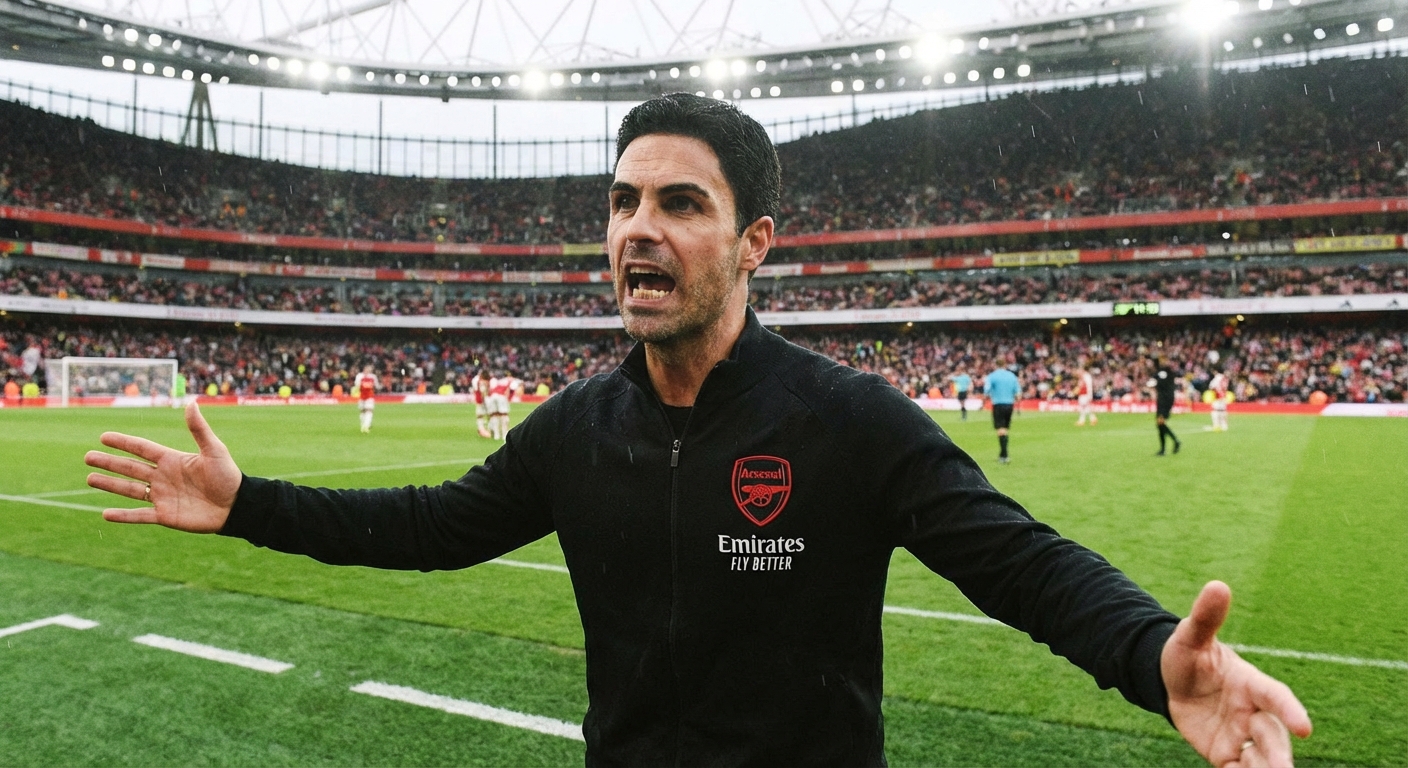
Mikel Arteta arrived at Arsenal in December 2019 as an unproven manager with revolutionary ideas and zero head coaching experience. Five years later, he’s transformed the club from Europa League also-rans into the most dominant team in English football. The journey required patience that modern football rarely permits, but Arsenal’s ownership backed their man through difficult seasons, and the investment is finally paying dividends.
His tactical evolution has been fascinating to watch. Early Arteta teams prioritized possession and defensive structure, sometimes to the point of appearing cautious. This season’s Arsenal plays with controlled aggression, pressing high, transitioning quickly, and creating chances from multiple avenues. They can win ugly when necessary and dominate aesthetically when conditions permit. The versatility makes them incredibly difficult to prepare for.
The recruitment strategy Arteta developed with sporting director Edu has been exceptional. Each signing addresses specific needs within the system rather than simply acquiring talented players who might not fit. Declan Rice’s arrival from West Ham filled the midfield void that had undermined previous title challenges. The depth across every position means injuries don’t derail momentum the way they did in seasons past.
Perhaps most importantly, Arteta has created a culture that demands excellence while accepting failure as part of the process. As The Athletic’s James McNicholas has detailed, Arteta’s players visibly trust his methods and each other. They don’t panic when trailing in matches. They don’t collapse when facing adversity. The mental resilience that distinguished City’s title-winning teams now belongs to Arsenal.
Manchester City’s January Unraveling
Manchester City entered the season as defending champions seeking an unprecedented fifth consecutive Premier League title. Pep Guardiola’s machine had been unstoppable for four years, overcoming every challenge through tactical brilliance and squad depth that no rival could match. This January, that machine has shown wear that was unthinkable even six months ago.
Three draws in seven days to start 2026 revealed vulnerabilities that, as The Guardian’s Jonathan Wilson noted, had been quietly building since the second half of last season. City’s pressing wasn’t quite as intense as previous seasons. Their creativity in the final third occasionally stalled against packed defenses. Most crucially, their ability to grind out results when not playing well has visibly declined.
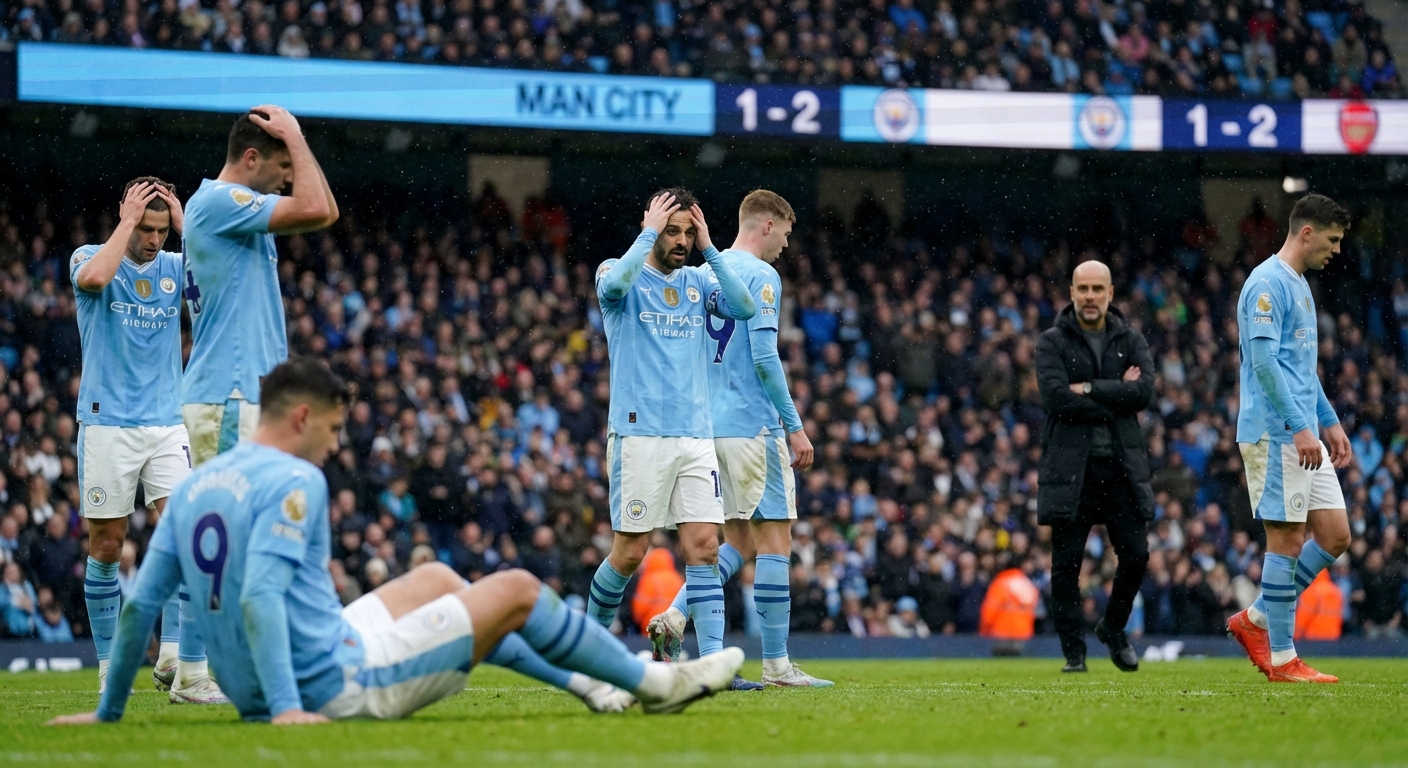
The defensive issues that plagued City last season haven’t been fully resolved. They’ve conceded more goals than a typical Guardiola team, and some of those goals have come from basic errors that championship-winning sides simply don’t make. The departure of certain key figures has created structural problems that even Guardiola’s tactical genius hasn’t completely solved.
City still possesses enough quality to challenge for the title. Their game in hand could close the gap to four points, and 16 matches provide ample opportunity for Arsenal to stumble. But for the first time in half a decade, City looks like chasers rather than frontrunners. The psychological shift matters enormously when pressure builds in the season’s final weeks.
Arsenal’s Numbers Paint a Historic Picture
Arsenal’s defensive record underpins their title challenge as much as their attacking prowess. Per FBref, they’ve conceded the fewest goals in the division, with a goals-against figure that projects to be among the lowest in Premier League history. Clean sheets have come regularly, and even when opponents score, Arsenal rarely concedes multiple goals.
The expected goals data supports the eye test. According to Opta, Arsenal consistently outperform their xG, with finishing quality rather than luck explaining their impressive goal difference. Per WhoScored, they create high-quality chances while limiting opponents to low-percentage shots. As BBC Sport’s Phil McNulty has observed, the statistical profiles align with what you see in matches: a team that controls games and converts their dominance into results.
Set pieces have become a genuine weapon. Arsenal’s corner routines regularly produce goals, and their defensive work at set pieces has improved dramatically from seasons past. This matters in tight matches against organized defenses that can frustrate creative teams. When the game from open play isn’t flowing, Arsenal can manufacture opportunities from dead-ball situations.
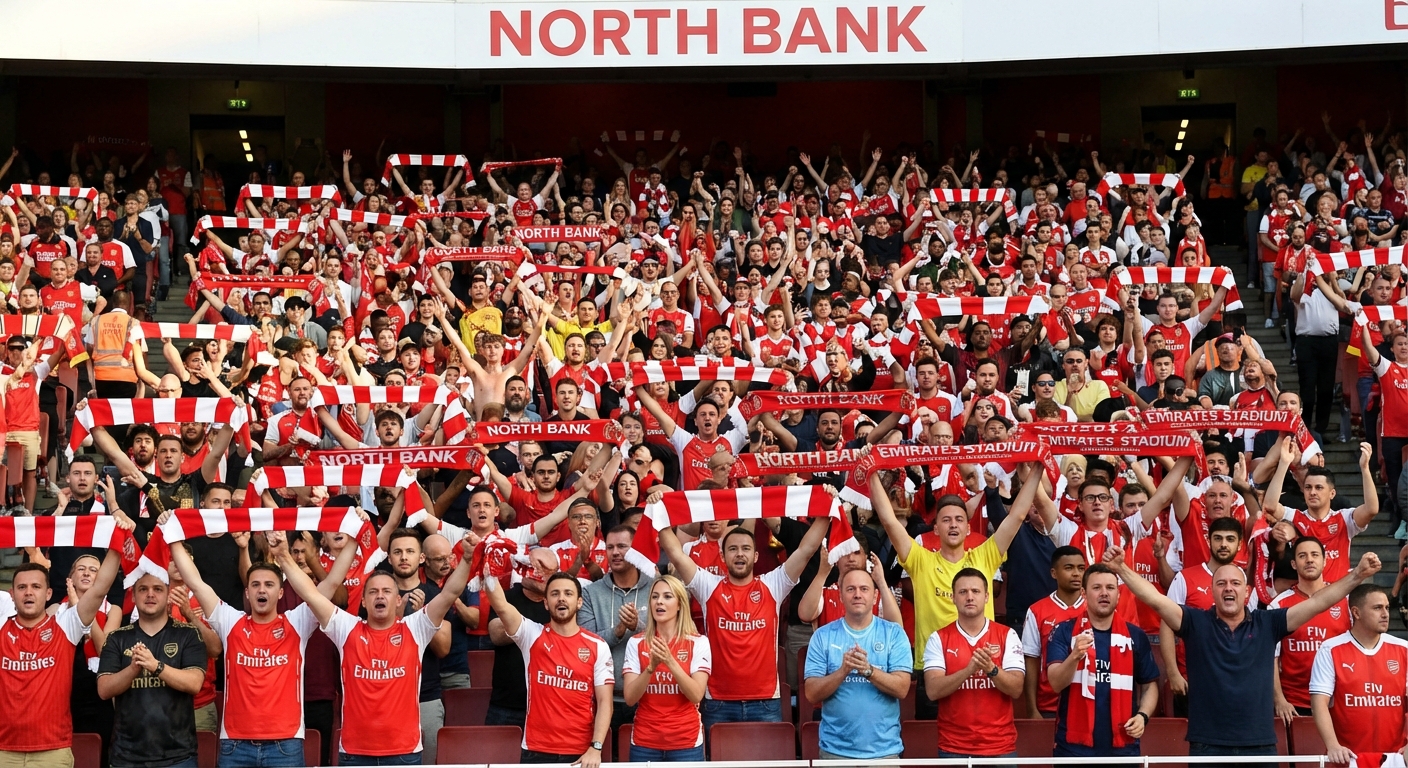
The underlying numbers indicate Arsenal’s lead is sustainable. Per FBref’s advanced metrics, they are not benefiting from unusual luck or overperforming in categories that typically regress. Their dominance reflects genuine superiority over the rest of the division. Statistical models that account for these factors give Arsenal by far the highest probability of finishing first.
What Could Derail the Gunners
Arsenal’s run-in presents challenges that will test their title credentials. They face Manchester City at home in a match that could effectively end the title race or reignite it. They have difficult away trips to Newcastle and Tottenham, both teams capable of producing upsets on their home grounds. The schedule compression in April, when fixture congestion peaks, will test squad depth.
The psychological pressure of closing out a title represents unfamiliar territory for most of Arsenal’s squad. Only a handful of players have won league championships at previous clubs. The majority are experiencing a genuine title race for the first time, and the final weeks will reveal whether they possess the composure to see it through.
Injuries remain the wildcard. Arsenal’s first-choice eleven has remained remarkably healthy this season, a significant factor in their consistency. As Sky Sports’ Gary Neville has pointed out, the depth that looks adequate in January faces a sterner test in April when fixture congestion peaks. Every contender faces this risk, but Arsenal has more to lose given their commanding position.
The Champions League provides another consideration. Deep runs in European competition can exhaust squads physically and mentally, leading to domestic letdowns at critical moments. Arsenal must balance their ambitions in both competitions without compromising either. It’s a challenge that separates good teams from great ones.
After the Buzzer
A seven-point gap at this stage of the season is historically decisive, but not for the reason most supporters assume. The advantage is less about arithmetic and more about what it does to the chasing pack’s psychology. City must win their game in hand just to reduce the deficit to four points, and even then, Arsenal can afford to drop points in matches where City cannot. That asymmetry in margin for error is what breaks title challenges. Per Opta’s historical data, no team that has trailed by seven or more points at the halfway mark of the Premier League era has gone on to win the title.
What separates this Arsenal side from Arteta’s previous near-misses is their ability to win the matches they are expected to win. In both the 2022-23 and 2023-24 campaigns, dropped points against lower-half sides proved fatal. This season, according to FBref, Arsenal have taken 94% of available points against teams outside the top six, compared to 82% last season. That consistency against the league’s middle and bottom tiers is the hallmark of champions, and it is the clearest sign that Arteta’s squad has internalized the ruthlessness required to finish the job.
The title is not won yet, and the fixtures in March and April will test squad depth and nerve in equal measure. But for the first time since the Invincibles era, Arsenal hold both the statistical edge and the psychological high ground. The gap is not just a number on a table; it is the distance between a team that believes it will win and rivals who are beginning to doubt they can catch up.
Sources
- Premier League Table, Form Guide and Predictions - BBC Sport
- Arsenal 2025-26 Season Stats - FBref
- Who Will Win the Premier League in 2025-26? - Opta Analyst
- Man City 1-1 Chelsea: Guardiola’s Side Lose More Ground on Arsenal - Sky Sports
- Has the Manchester City Empire Fallen? - Jonathan Wilson