When the Vancouver Canucks traded Quinn Hughes, their captain, their best player, and arguably the most dynamic defenseman in the NHL, they did not just make a roster move. They made a declaration. The franchise that spent years trying to build a contender around its young core has officially waved the white flag and committed to a full-scale rebuild. For the Minnesota Wild, the arrival of Hughes signals the opposite: this is a team that believes its championship window is open right now, and it just added the piece that could push it through.
The trade, which sent Hughes to Minnesota in exchange for defenseman Zeev Buium, forward Liam Ohgren, forward Marco Rossi, and a 2026 first-round pick, is the kind of franchise-altering deal that the NHL sees perhaps once every few years. It reshapes the trajectory of both organizations for the rest of the decade, and the ripple effects will be felt across the league as the March 6 trade deadline approaches.
What Minnesota Gets: A Generational Defenseman in His Prime
Quinn Hughes is 26 years old, signed through 2032, and has been the NHL’s best puck-moving defenseman for the past three seasons. He won the Norris Trophy in 2024 and finished top-three in voting in both 2025 and 2026. Per Natural Stat Trick, Hughes led all NHL defensemen in even-strength points per 60 minutes this season, and his ability to quarterback a power play is arguably unmatched in the league.
“Quinn Hughes is one of maybe five defensemen in the history of this league who can control a game the way he does,” TSN’s Pierre LeBrun wrote in his analysis of the trade. “He doesn’t just move the puck, he orchestrates everything. The Wild just acquired a player who changes their ceiling from ‘good team’ to ‘legitimate Stanley Cup contender.’”
What makes Hughes so valuable is not just his offensive production, but his transition game. He turns defense into offense faster than anyone in hockey. According to Evolving Hockey’s tracking data, Hughes completed more successful zone exits per 60 minutes than any other defenseman this season, and his pass completion rate through the neutral zone was 87.3%, the highest among blueliners with more than 500 minutes played. For a Wild team that has sometimes struggled to generate clean offensive zone entries, Hughes is the answer to a problem they have been trying to solve for years.

What Vancouver Gets: A Prospect Haul and a Fresh Start
The return package for Vancouver is substantial, even if it feels inadequate for a player of Hughes’ caliber. Zeev Buium, the 18-year-old defenseman selected fourth overall in the 2025 draft, is widely considered the best defensive prospect in hockey. He is not Hughes today, but he could be a franchise defenseman in three to four years, and that timeline aligns perfectly with where the Canucks are headed.
Marco Rossi, 24, has developed into a reliable two-way center who scored 18 goals and 45 points this season. He provides immediate NHL value and could be a core piece of Vancouver’s next competitive team. Liam Ohgren adds organizational depth as a power forward prospect, and the first-round pick gives Vancouver additional draft capital to accelerate the rebuild.
The Athletic’s Harman Dayal broke down the trade value from Vancouver’s perspective: “The Canucks got a legitimate blue-chip prospect in Buium, a useful NHL player in Rossi, and extra draft picks. That’s about as good as you can do when you’re trading a superstar to a team that knows it has leverage.”
The emotional weight of this trade should not be underestimated. Hughes wore the C in Vancouver. He was supposed to be the cornerstone. His departure signals to the rest of the roster that nobody is untouchable, and it would not be surprising to see additional trades before the March 6 deadline, particularly involving Elias Pettersson and Brock Boeser.
The Olympic Roster Freeze Complication
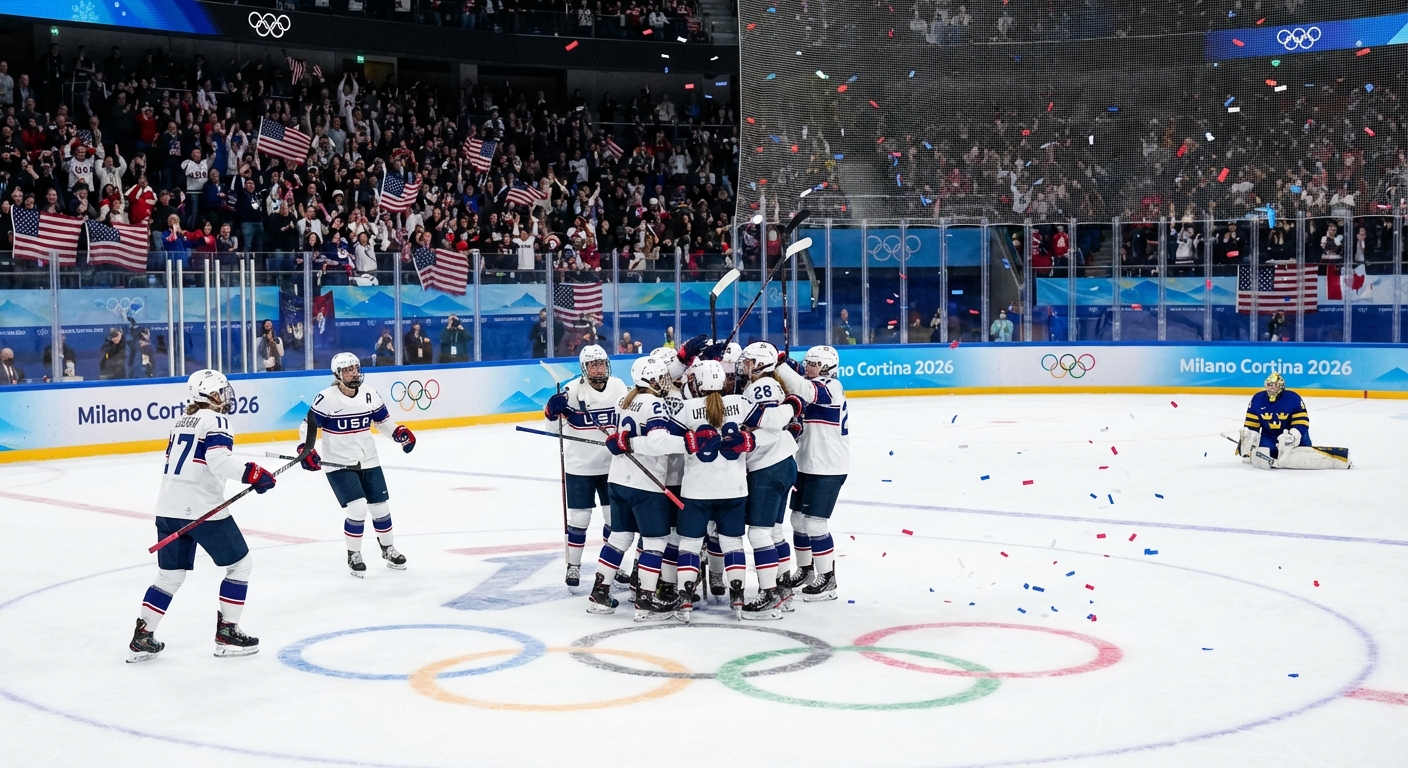
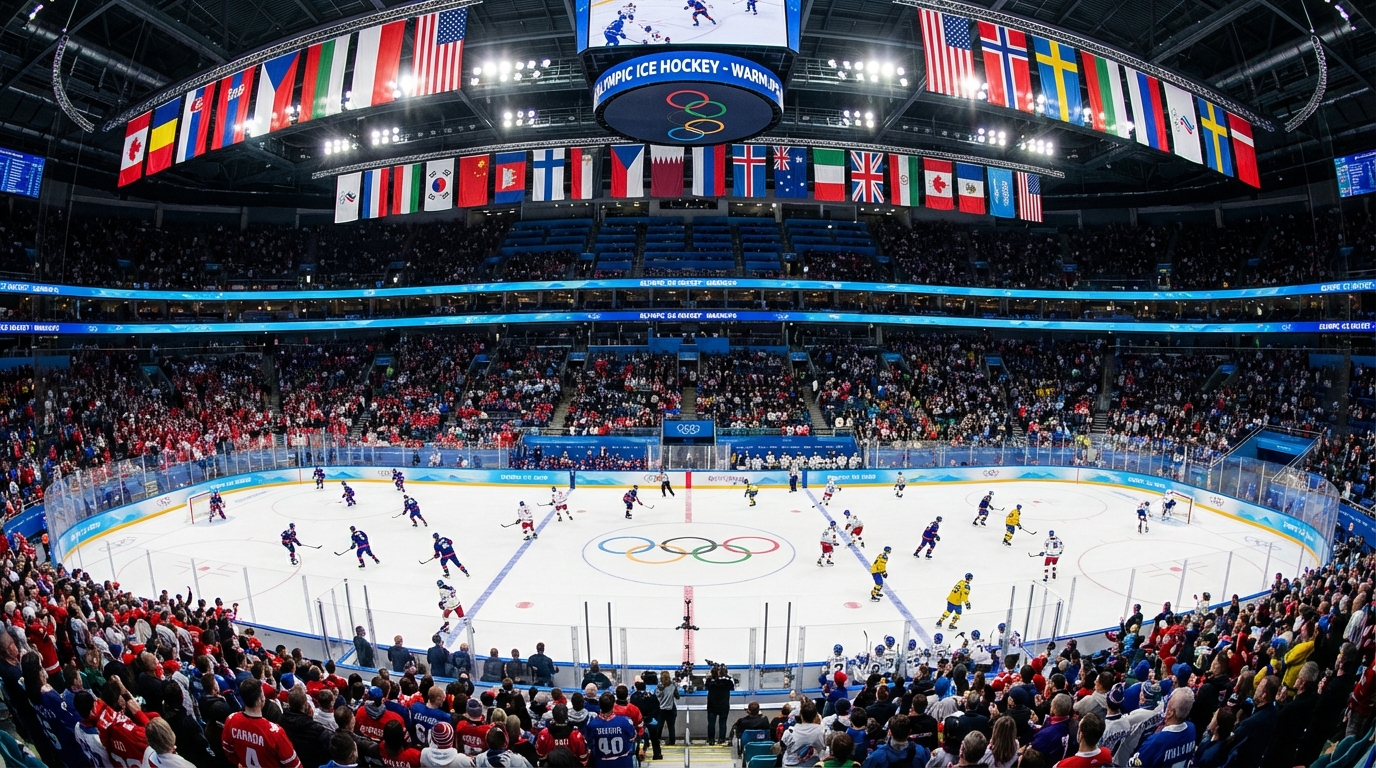
The timing of this trade is significant. The NHL is currently in the middle of its roster freeze period, which runs from February 4 through February 22 to accommodate the 2026 Milano Olympics. General managers can discuss deals during the freeze but cannot officially execute trades until the freeze lifts. The Hughes deal was completed on February 2, just barely before the window closed, suggesting that both sides had been negotiating for weeks and raced to finalize before the deadline.
This freeze creates an unusual dynamic across the league. Teams that want to make moves before the March 6 trade deadline have a compressed timeline to work with once the freeze lifts on February 22, leaving just 12 days to complete deals. As NHL.com’s trade tracker notes, several other significant deals were executed in the days before the freeze, including the Devils acquiring Nick Bjugstad from St. Louis and the Stars adding Jeremie Poirier from Calgary.
How This Changes the Western Conference Picture
Minnesota was already a playoff team before this trade. The Wild sit comfortably in a wild-card position in the Western Conference, and they have been one of the more consistent teams in hockey this season. Adding Hughes does not just improve their roster, it fundamentally changes what they can do structurally. Macdonald’s defensive pairings can now be reorganized around Hughes as the clear number-one, allowing the rest of the blue line to slot into more natural roles.
The Wild’s power play, which ranked 17th in the league before the trade at 21.3% per NHL.com, should see an immediate boost. Hughes ran one of the most efficient power play units in the league in Vancouver, and his ability to walk the blue line and find seam passes through traffic is the kind of skill that elevates everyone around him.
For the rest of the Western Conference, this trade should be alarming. The Colorado Avalanche, Dallas Stars, and Edmonton Oilers were already looking over their shoulders at Minnesota’s steady improvement. Now, with Hughes anchoring their defense and Connor McDavid’s Devils dominating the East, the Western Conference playoff race just got significantly more interesting.
The Broader NHL Trade Market
This trade also sets the market for what other teams can expect to receive for their stars. If Hughes, a 26-year-old Norris Trophy winner signed long-term, returns a package of Buium, Rossi, Ohgren, and a first-round pick, what does that mean for other potential trade targets? Teams shopping players like Elias Pettersson, Mitch Marner, or even Artemi Panarin (already traded to the Kings) now have a benchmark for negotiations.
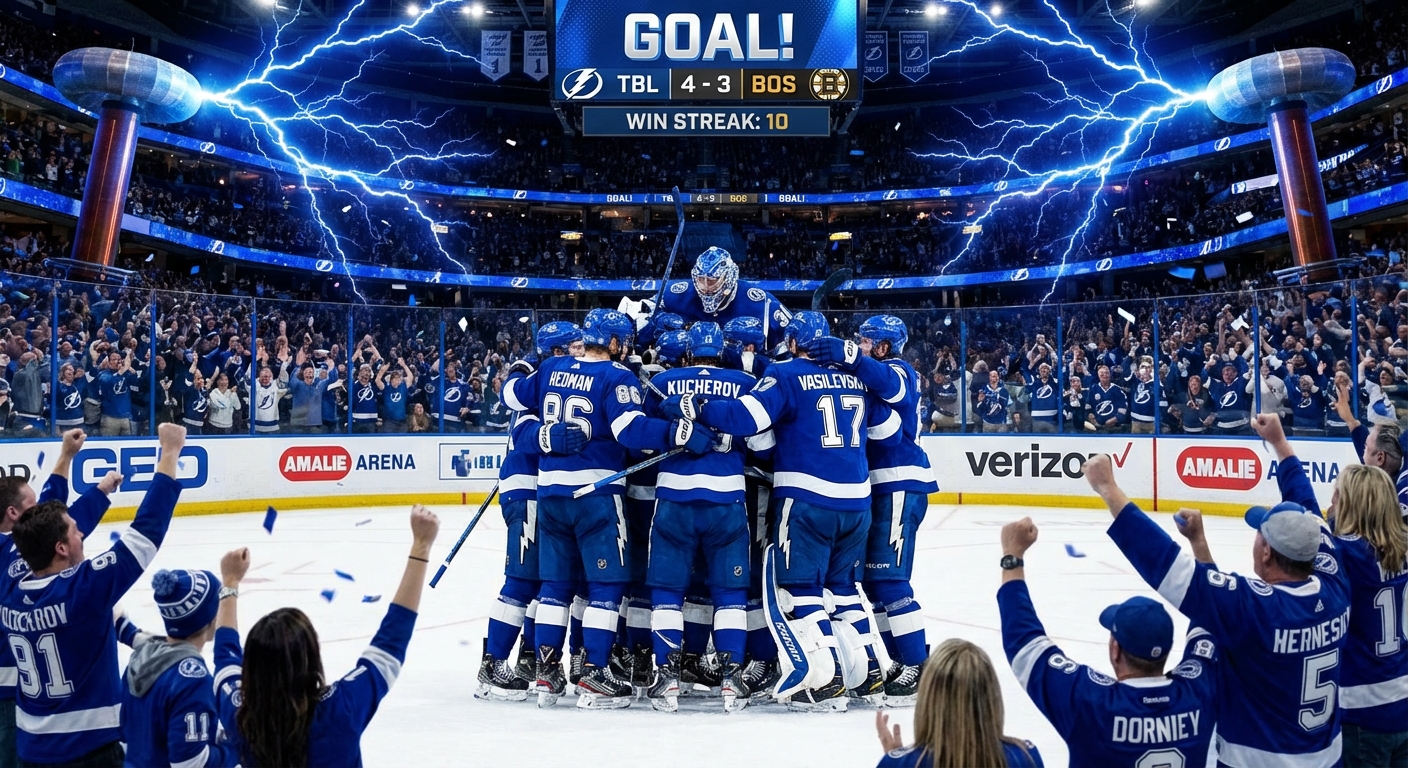
The Tampa Bay Lightning, riding a franchise-record winning streak, are expected to be buyers at the deadline. So are the Bruins, Sabres, and Stars. The Hughes trade establishes that buyers will need to pay a significant premium for impact players, and the compressed post-freeze timeline means negotiations will be intense and fast-moving once rosters unfreeze on February 22.
Winners and Losers
Winner: Minnesota Wild. Hughes’ contract running through 2032 means this is not a rental gamble but a long-term investment in a team that was already in the playoff picture. If they can stay healthy and add another forward piece before the deadline, the Wild have a legitimate path to the Stanley Cup Final for the first time in franchise history.
Winner: Vancouver’s future. The Canucks got the best possible return for a player they were going to lose eventually anyway. Buium could be a franchise defenseman, and the additional assets give them flexibility. The pain is real now, but this was the right move for the long term.
Loser: The rest of the Western Conference. Every team chasing a playoff spot just watched one of their competitors add the league’s best puck-mover without giving up any current NHL roster regulars. The Oilers, Avalanche, and Stars all need to respond, and the options are limited with the roster freeze about to begin.
Loser: Quinn Hughes (short-term). Leaving the city where he was captain, where he built his reputation, where he was the face of the franchise, is never easy. But playing for a team with genuine championship aspirations could make this the best thing that ever happened to his career.
Sources
- 2025-26 NHL Trade Tracker - NHL.com, ongoing
- NHL Trade Deadline Primer Series - Pro Hockey Rumors, February 2026
- B/R NHL Trade Block Big Board - Bleacher Report, January 2026
- Natural Stat Trick: 2025-26 Defenseman Stats - Season statistics
- Evolving Hockey: Player Cards - Zone exit and transition data