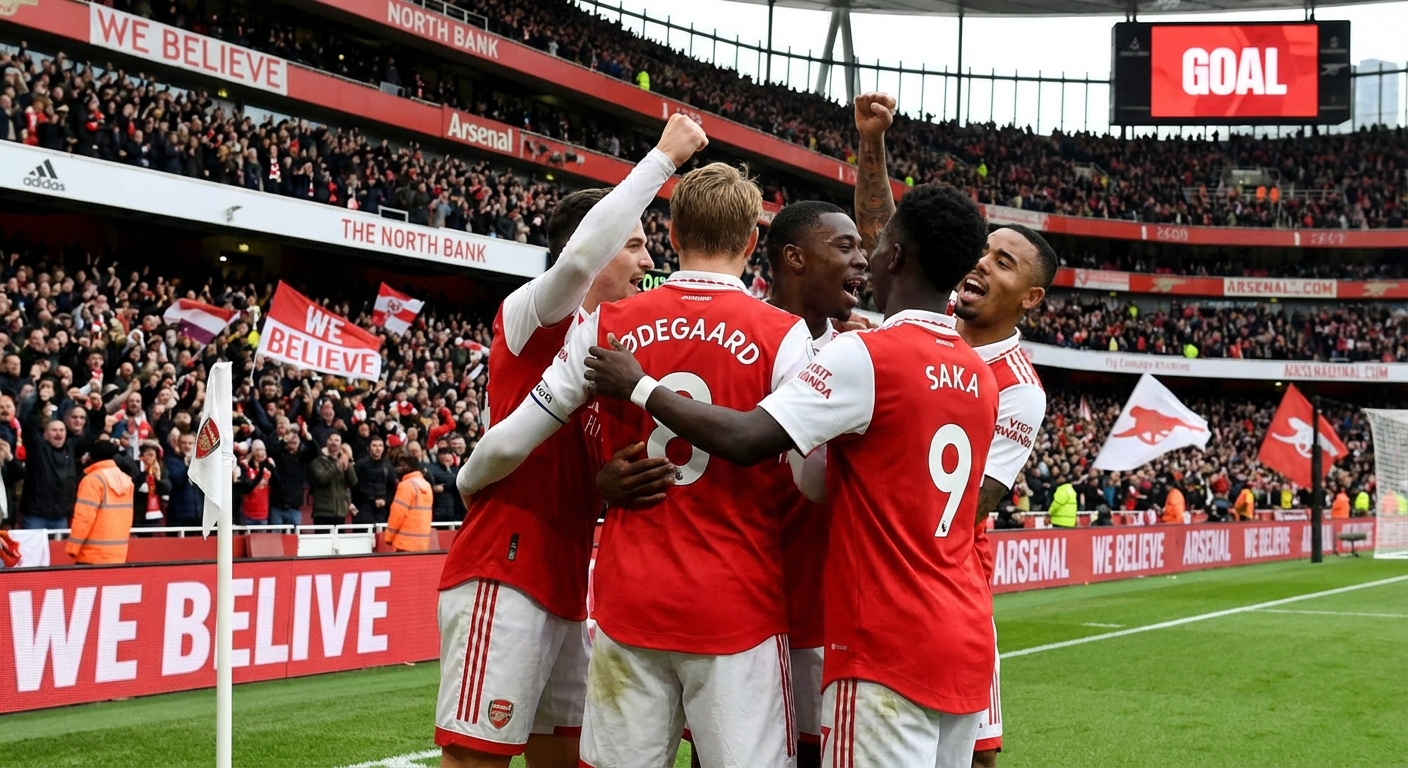
When Erling Haaland buried a stoppage-time penalty at Anfield on February 8 to seal a 2-1 comeback win over Liverpool, the Premier League title race appeared to be narrowing. Manchester City had closed the gap to Arsenal from nine points to six. Haaland was back scoring. Pep Guardiola’s side had found the kind of ruthless late-game execution that defined their four consecutive title runs from 2021 to 2025. Liverpool, meanwhile, had just lost at home to their greatest rivals in the most painful fashion imaginable, Bernardo Silva equalizing in the 84th minute before Haaland’s penalty left Arne Slot staring at the Anfield turf in disbelief.
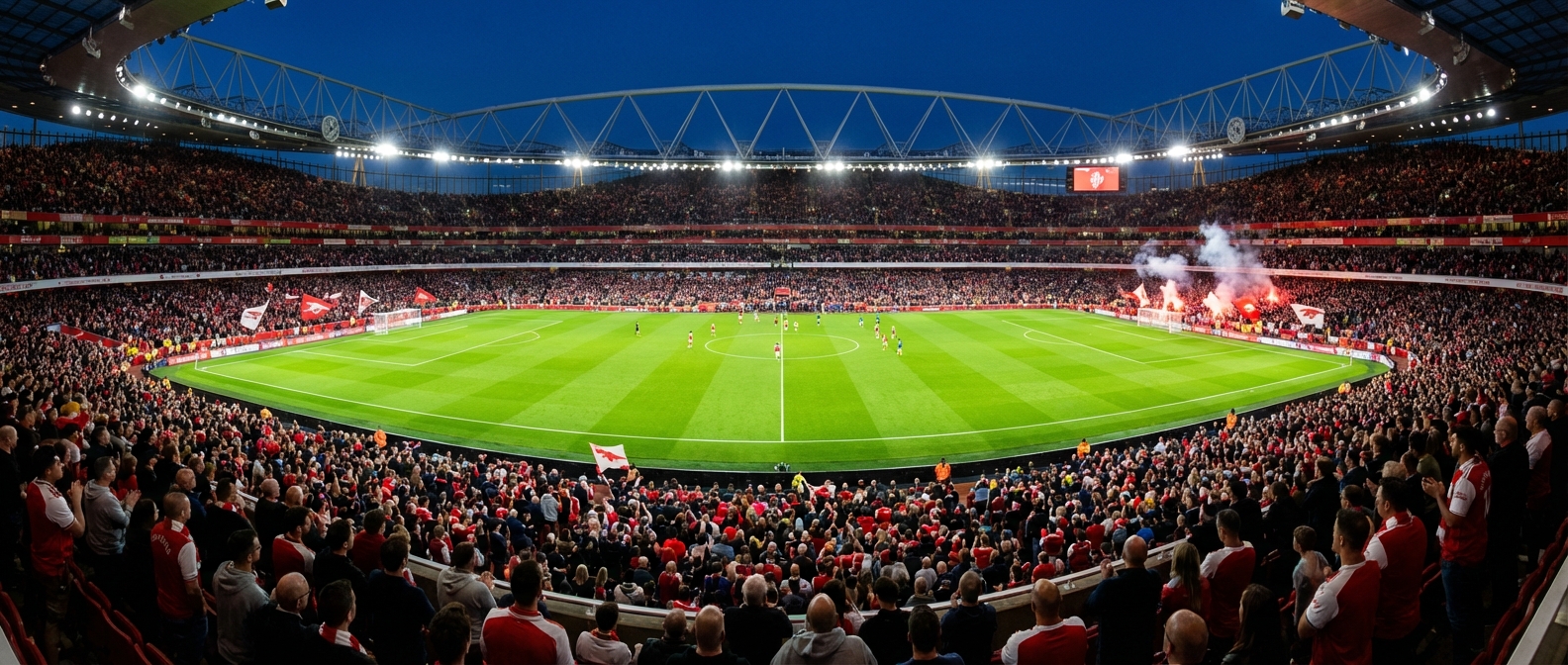
That was supposed to be City’s turning point. Three weeks later, look at the Premier League table: Arsenal sit on 61 points from 28 matches, five clear of Manchester City on 56, and a staggering 16 points ahead of Liverpool in sixth on 45. The two clubs that have dominated English football’s top flight for the better part of a decade are both watching Arsenal’s coronation from increasingly distant positions. One cannot stop drawing and losing to teams it should beat. The other has already admitted the title race is over and is fighting just to qualify for the Champions League. The 2025-26 Premier League season has become a one-horse race, and the horse in red and white is cantering to the finish.
Guardiola’s Empire, Three Draws at a Time
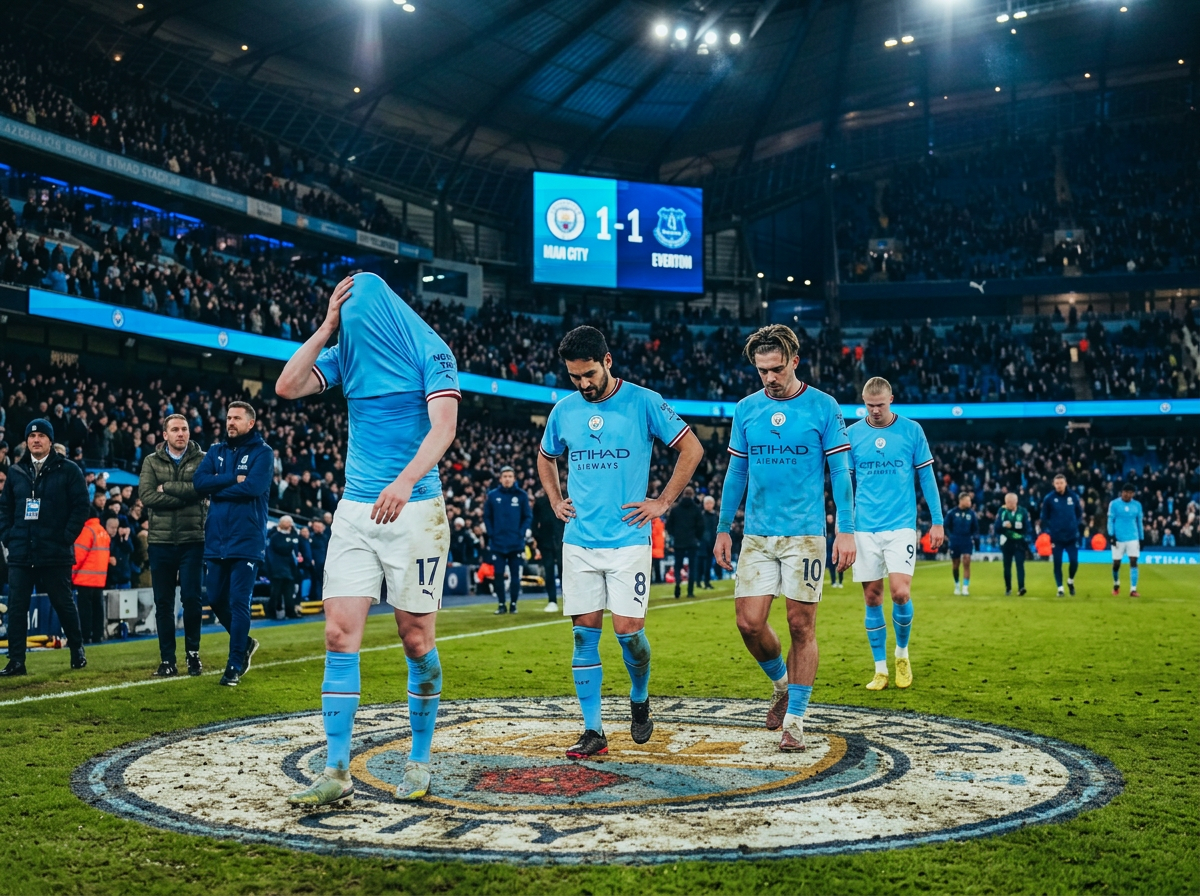
Manchester City’s season has followed a pattern that would have been unthinkable during their peak years: brilliant stretches of form interrupted by baffling results against teams with no business taking points off them. After the Anfield win on February 8, City looked like genuine challengers. They followed it with a convincing 3-0 demolition of Fulham on February 11, with Nico O’Reilly, Antoine Semenyo, and Haaland all scoring in the first half. Then came the 2-1 home win over Newcastle on February 21, O’Reilly scoring twice to cut Arsenal’s lead to just two points before the Gunners played their game in hand.
But rewind to January, and the cracks are unmistakable. City drew 0-0 away at Sunderland on New Year’s Day. They followed that with consecutive 1-1 draws at home against Chelsea on January 4 and Brighton on January 7. Three draws in the space of a week, all against teams City would have swept aside during their dynasty years, and every one of them came at a point when Arsenal were also dropping occasional points. The opportunities were there to close the gap. City let them pass.
The underlying numbers, per FBref, tell a troubling story. City’s expected goals against per match has risen from 0.88 in 2023-24 to 1.08 this season, a 23% increase that reflects genuine structural decline in their defensive organization. The departure of key defensive figures over successive transfer windows has left Guardiola rebuilding the back line while simultaneously trying to chase Arsenal at the top of the table. You cannot do both at once, and the results prove it.
Guardiola himself has acknowledged the difficulty, though in his characteristic way of projecting calm while the foundations shift. “I promise you, many things are going to happen,” he told reporters after the Newcastle win, per Pulse Sports. “I have the feeling we are not going to win all the games. I don’t know about Arsenal.” In a separate press conference before the Fulham match, he described Arsenal as “the best team in the world right now,” per the Manchester City official website. That is not the language of a manager who believes he will overturn a five-point deficit with 10 matches remaining. That is the language of a man preparing his audience for what comes next.
The Anfield Paradox
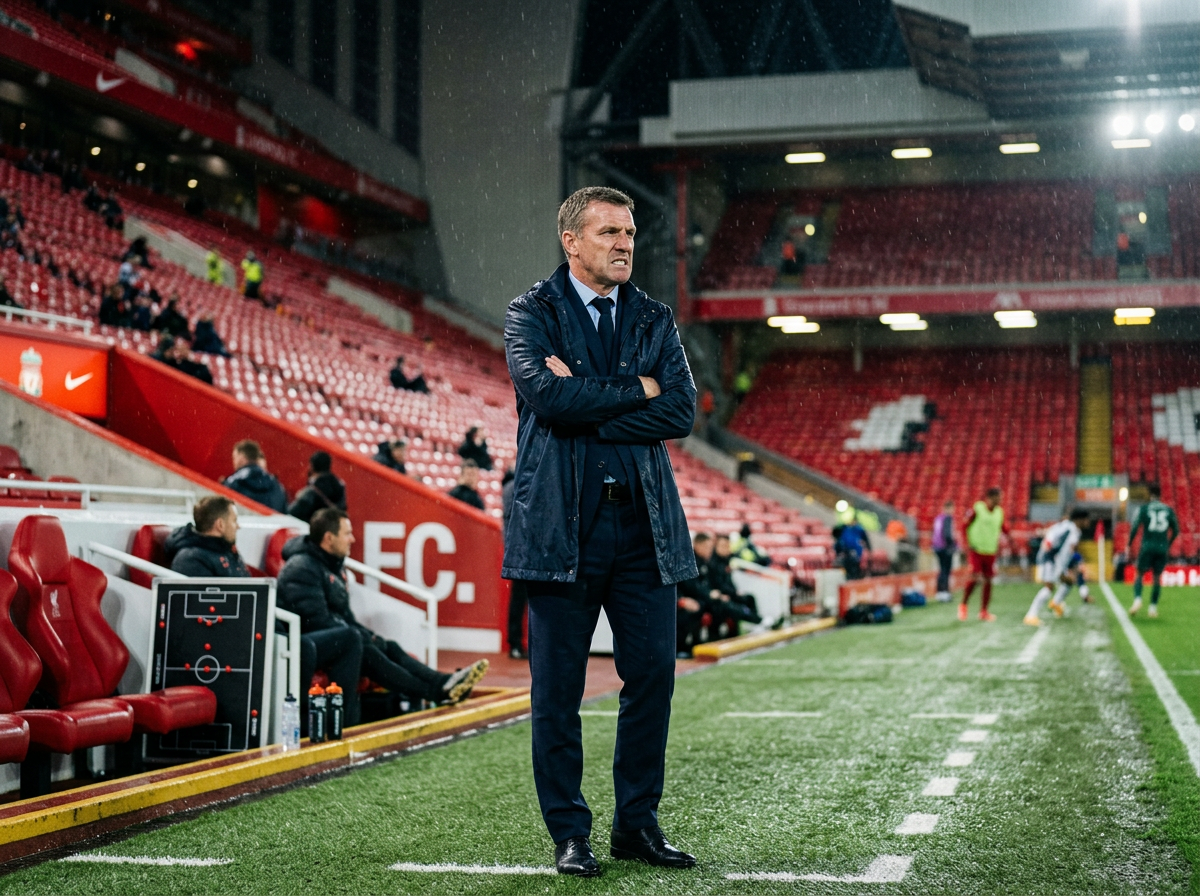
Liverpool’s situation is somehow both worse and less surprising than City’s. Worse because a club of Liverpool’s stature, resources, and recent history should not be sitting in sixth place on 45 points with 27 matches played. Less surprising because anyone paying attention to the underlying numbers knew this season was heading for trouble long before the table confirmed it.
The record speaks plainly: 13 wins, 6 draws, 8 losses. Liverpool have lost more Premier League matches this season than in any campaign since 2020-21, when they finished third under Jurgen Klopp with an injury-devastated squad. The four consecutive league defeats between October and November, a run that included losses to Crystal Palace and Manchester United, effectively ended any title challenge before Christmas. Slot’s pressing system, which was supposed to bring Feyenoord’s organized intensity to Anfield, has instead produced a team that concedes 1.4 goals per Premier League match, up from 1.1 under Klopp’s final season, according to Premier League data.
The tactical problems run deeper than individual results. Liverpool’s possession won in the final third has dropped from 4.5 times per 90 minutes last season to 3.9 this season, per FBref, while opponents’ passes per defensive action have increased from 8.9 to 9.4. The forwards and midfield are pressing less effectively, sometimes not pressing at all, and the defensive structure is being pulled out of shape with troubling regularity. Virgil van Dijk’s defensive actions per 90 have increased from 8.1 last season to 11.3 this season, per FBref, a stat that sounds positive until you realize it means the center-back is doing significantly more work because the press ahead of him is failing to contain opponents higher up the pitch.
Slot has been remarkably candid about the situation. In January, he told reporters that the title race was effectively over: “The last thing we should talk about at this moment is the title race. We know that our league position makes it very hard to compete with Arsenal for the league title,” per Tribuna. He later added, with rare vulnerability for a Premier League manager: “By a mile, this is my most difficult season. All the other seasons I’ve managed there were only positives. I don’t think I’ve ever lost two games in a row before,” per Sky Sports. Liverpool’s focus has shifted entirely to securing a top-four finish and Champions League qualification, a target Slot described as requiring the team to be “close to perfection” for the rest of the season, per beIN Sports.
When Pedigree Stops Mattering
The counterargument to writing off both Liverpool and City is pedigree. These are clubs that have won a combined 10 Premier League titles in the last 15 years. City have Guardiola, the greatest domestic coach of his generation. Liverpool have a squad that includes Salah, Van Dijk, and a generation of players who know what it takes to win the league. Surely, the argument goes, these clubs are built to recover, built to produce late-season surges that sweep aside the pretenders.
The problem is that pedigree does not earn points. Results do. And the results say City would need to win at least 9 of their remaining 10 matches to reach the mid-80s point total that NBC Sports projects as the title-winning benchmark this season. City have not won 9 out of any 10-match stretch all season. They would need to produce their best run of the campaign at the exact moment when fixture congestion from the Champions League and FA Cup is at its most demanding. Guardiola acknowledged as much: “Come FA Cup, come Champions League, travels… many, many games, injuries are going to come,” he said, per Pulse Sports.
Liverpool’s situation requires an even greater suspension of disbelief. Sitting 16 points behind Arsenal with 11 matches remaining, they would need Arsenal to collapse on a scale unseen in Premier League history while simultaneously producing a perfect or near-perfect run of their own. For context, the largest deficit overturned in the final 10 matches of a Premier League season is eight points, when Manchester City erased Manchester United’s lead in the final weeks of 2011-12 with the help of Sergio Aguero’s legendary stoppage-time goal. Liverpool would need to double that margin of recovery. It is not happening.
History’s Verdict on Twin Collapses
What makes the 2025-26 season unusual is not that one of the pre-season favorites has fallen short. That happens regularly. As we covered when Arsenal first opened their cushion at the top, title races often produce surprise casualties. What is unusual is that both of the two strongest challengers have faltered simultaneously, leaving Arsenal in a position of comfort that no club has enjoyed at this stage of the season since City’s 2022-23 campaign, which ended with a treble.
The historical parallels are not kind to the challengers. Newcastle’s infamous 1995-96 collapse saw a 12-point lead evaporate over the final third of the season, but that was a single team falling apart while Manchester United surged. In 2011-12, United blew an eight-point lead with six matches remaining, but that was a case of one team collapsing while City produced a historic run. The current scenario, where both traditional challengers are underperforming simultaneously, is closer to the 2003-04 season, when Arsenal went unbeaten and every other contender fell away. The difference is that Arsene Wenger’s Invincibles had to earn that title against a strong United side. Arteta’s Arsenal are being handed it by opponents who keep tripping over their own feet.
The Opta Supercomputer, per Sports Illustrated, gives Arsenal an 82.33% probability of winning the title, with City at 16.92% and no other club above 1%. Those numbers align with the eye test. Arsenal are not just ahead on points. They are ahead on defensive structure, squad depth, and the intangible but unmistakable confidence of a team that knows it is the best side in the division. European football has seen similar dynamics this season, with Barcelona’s sudden collapse in La Liga handing Real Madrid a lead their form alone might not have earned.
What Arteta Knows That His Rivals Don’t
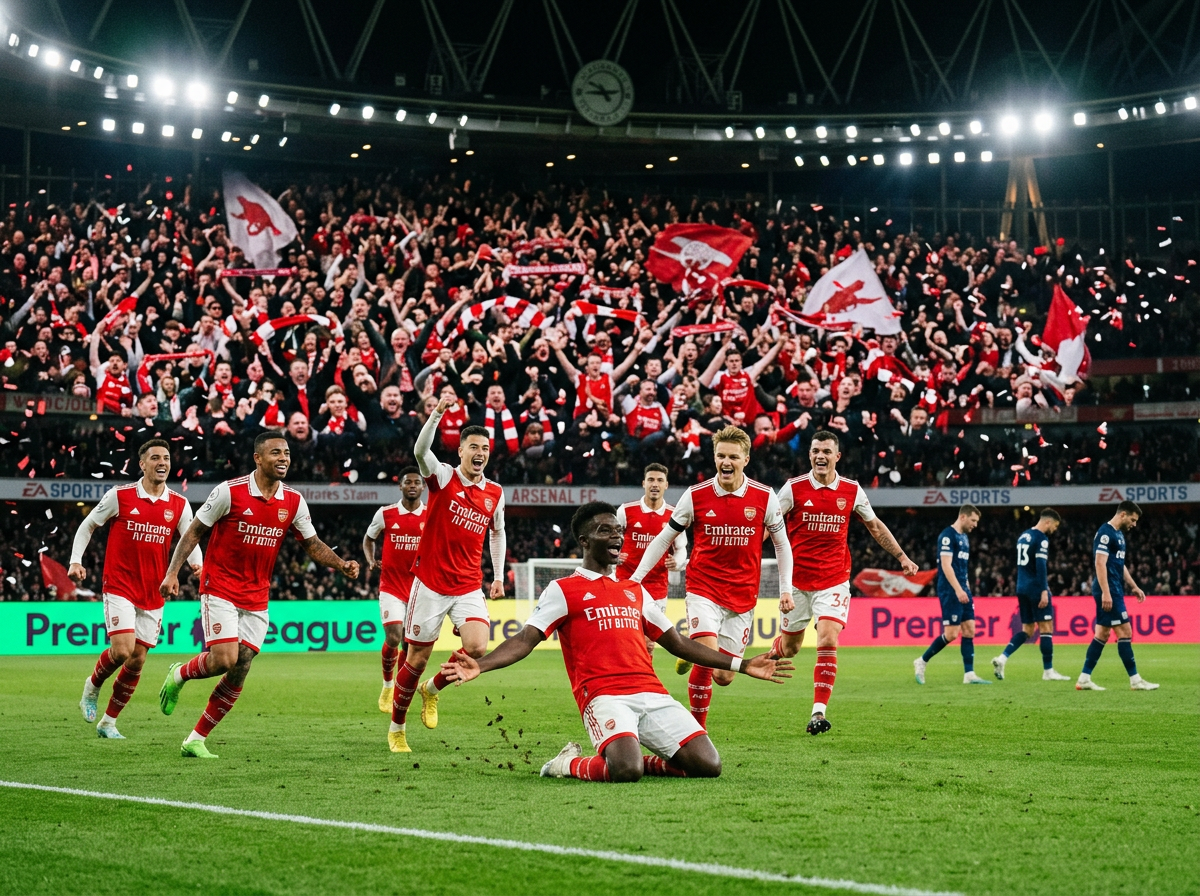
While Guardiola philosophizes about unpredictability and Slot acknowledges defeat with quiet resignation, Mikel Arteta has struck a different tone entirely. After Arsenal’s 4-1 destruction of Tottenham on February 22, which restored the five-point lead following the wobble against Wolves four days earlier, Arteta was asked about the pressure of the title race. His response was pointed, directed as much at his own dressing room as the media: “Do you want to be part of the noise or not? If not, go and do something else. Be part of another, different club,” per Daily Cannon.
It was the kind of statement that draws a clear line between teams that handle pressure and teams that wilt under it. Arsenal have been through two consecutive second-place finishes. They know what it feels like to come close and fall short. That experience, rather than being a burden, has become their greatest weapon. “You want to be Arsenal, and everybody’s been demanding for 10 years, 15 years, ‘we need to go back there.’ Now we are there, and now what?” Arteta added. The message was unmistakable: this squad has no intention of letting the opportunity pass.
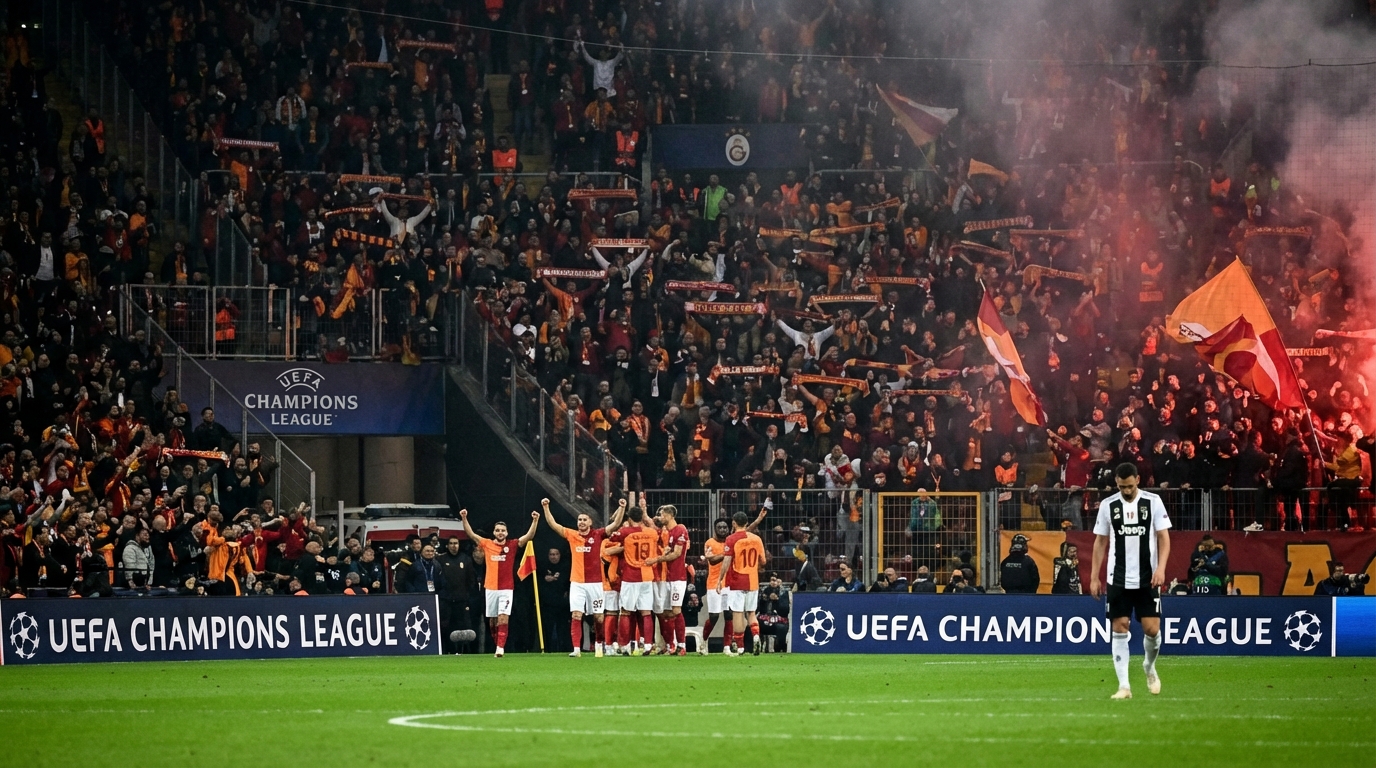
The remaining fixture list supports Arsenal’s confidence. Per NBC Sports, only four of Arsenal’s remaining 10 matches are away, and just two of those are outside London. They have already beaten or drawn with every team they still need to face this season. The schedule includes a head-to-head with City at the Etihad in mid-April, but even a defeat there would leave Arsenal in a commanding position if they take care of business against the rest. The Galatasaray-Juventus Champions League thriller last week proved that even strong teams can be demolished when they face opponents with superior tactical preparation and squad depth. Arsenal have both.
Arteta remained pragmatic despite the commanding position: “This is the Premier League, it will go all the way for sure. Ten games in the Premier League is a long way,” he told reporters after the Spurs victory, per Tribuna. The caution is understandable given Arsenal’s history of near-misses. But the data, the fixture list, and the form of their rivals all point in the same direction.
The Prediction
Arsenal will win the 2025-26 Premier League title. The five-point lead with 10 matches remaining, combined with Manchester City’s inability to string together consistent results and Liverpool’s complete withdrawal from the race, makes this the most comfortable title run-in any club has enjoyed since City’s 2022-23 treble season. The Opta Supercomputer’s 82.33% probability, per Sports Illustrated, feels about right, and if anything may understate Arsenal’s advantage given the psychological toll that City’s January draws have taken on Guardiola’s squad.
Manchester City will finish second but will not get closer than three points at any point during the remaining 10 matches. Guardiola’s admission that “many things are going to happen” is not the war cry of a manager mounting a charge. It is the measured expectation-setting of a coach who sees the finish line receding. City’s home record of 20 consecutive wins in all competitions, per the Premier League website, is impressive, but they have four away matches remaining, and their away form this season has been the weakest of Guardiola’s entire tenure.
Liverpool will secure fourth place and Champions League qualification, but it will go to the final two weeks. The fight with Chelsea and Manchester United for those spots, all three clubs locked on 45 points, will produce its own drama. For a club that won the league as recently as 2020, though, fighting for fourth is itself a form of collapse. Slot’s honesty about the situation, his willingness to say publicly that the title race is over and that this is his hardest season, suggests a manager who is already thinking about what needs to change in the summer. Whether he gets the chance to implement those changes may depend on whether Liverpool’s owners consider Champions League qualification an acceptable return on a squad that was built to contend for everything.
Sources
- Premier League 2025-26 Table and Standings - NBC Sports, updated February 2026
- Premier League Title Race: Remaining Schedules and Projected Points - NBC Sports, February 2026
- Opta Supercomputer Predicts Premier League Table After Arsenal Thump Tottenham - Sports Illustrated, February 23, 2026
- Liverpool 1-2 Manchester City Match Report - Premier League Official, February 8, 2026
- Premier League Run-In 2026: Title Pressure, Top-Four Stakes, and Fine Margins - Football Talk, February 2026