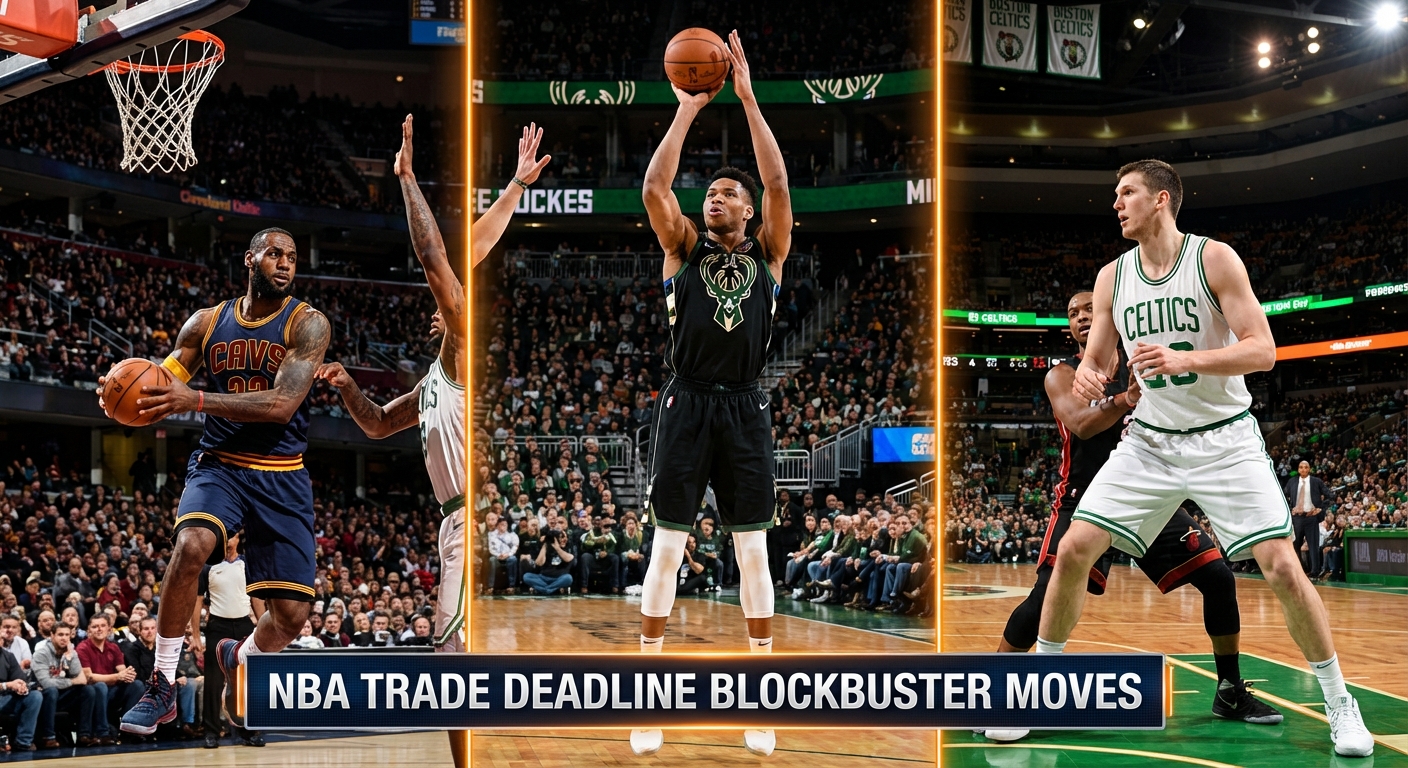
The Trae Young trade happened on January 8, sending the four-time All-Star from Atlanta to Washington in exchange for CJ McCollum and Corey Kispert. No draft picks changed hands. The deal was straightforward, almost anticlimactic, the kind of transaction that typically signals an active trade deadline ahead. Instead, the phone lines have gone quiet. General managers are returning calls but not making offers. Stars are available, and nobody seems willing to pay the price to acquire them. With four weeks remaining until the February 5 deadline, the NBA trade market has frozen in a way that suggests either a historic flurry of activity in the final days or one of the quietest deadline periods in recent memory.
The Young trade itself revealed how difficult it has become to move star players in the modern NBA. Atlanta acquired Young in the 2018 draft, per Basketball Reference, built around him for seven seasons, and ultimately decided that his style of play couldn’t coexist with the roster construction they wanted to pursue. Washington wanted Young specifically because he represents the kind of franchise player that can sell tickets and generate excitement while the team continues its rebuild around their young core. Neither team added future assets to the deal, meaning both front offices viewed the exchange as roughly equal in value. A player who led the league in assists last season was traded straight up for a 34-year-old point guard and a rotation wing. That’s the market right now.
Young’s situation also illustrated the limited number of destinations for players who want to be traded. He reportedly preferred Washington because the Wizards offered him a chance to restart his career with a young team rather than serve as a supporting piece on a contender. The Hawks explored deals with several playoff-caliber teams, but none were willing to surrender the assets Atlanta wanted in return. Young’s $43 million salary for next season, according to Spotrac, complicated matters further, as teams with championship aspirations couldn’t absorb that number without gutting their depth. The trade that eventually happened wasn’t the one Atlanta wanted. It was simply the best deal available.
The Anthony Davis Situation
Anthony Davis remains the biggest name circulating in trade discussions, though calling the situation “discussions” may be generous. Several reports have suggested that Dallas is unwilling to commit to a long-term extension for Davis, who wants assurance that wherever he plays next will be his home for the remainder of his prime. Davis turns 33 in March and has dealt with significant injuries over the past three seasons, making his value difficult to assess. He’s still capable of dominating games when healthy, but “when healthy” has become an increasingly large qualifier.
The Hawks have expressed interest in acquiring Davis, viewing him as the kind of proven star who could accelerate their rebuild and pair with Zaccharie Risacher, the first overall pick in last year’s draft. Atlanta’s front office has been reluctant to include either Risacher or their 2026 first-round pick in negotiations, which has prevented serious talks from progressing. Dallas wants maximum return for a player who could walk in free agency, and Atlanta wants to add a star without sacrificing their future. Neither side has shown willingness to bridge that gap.
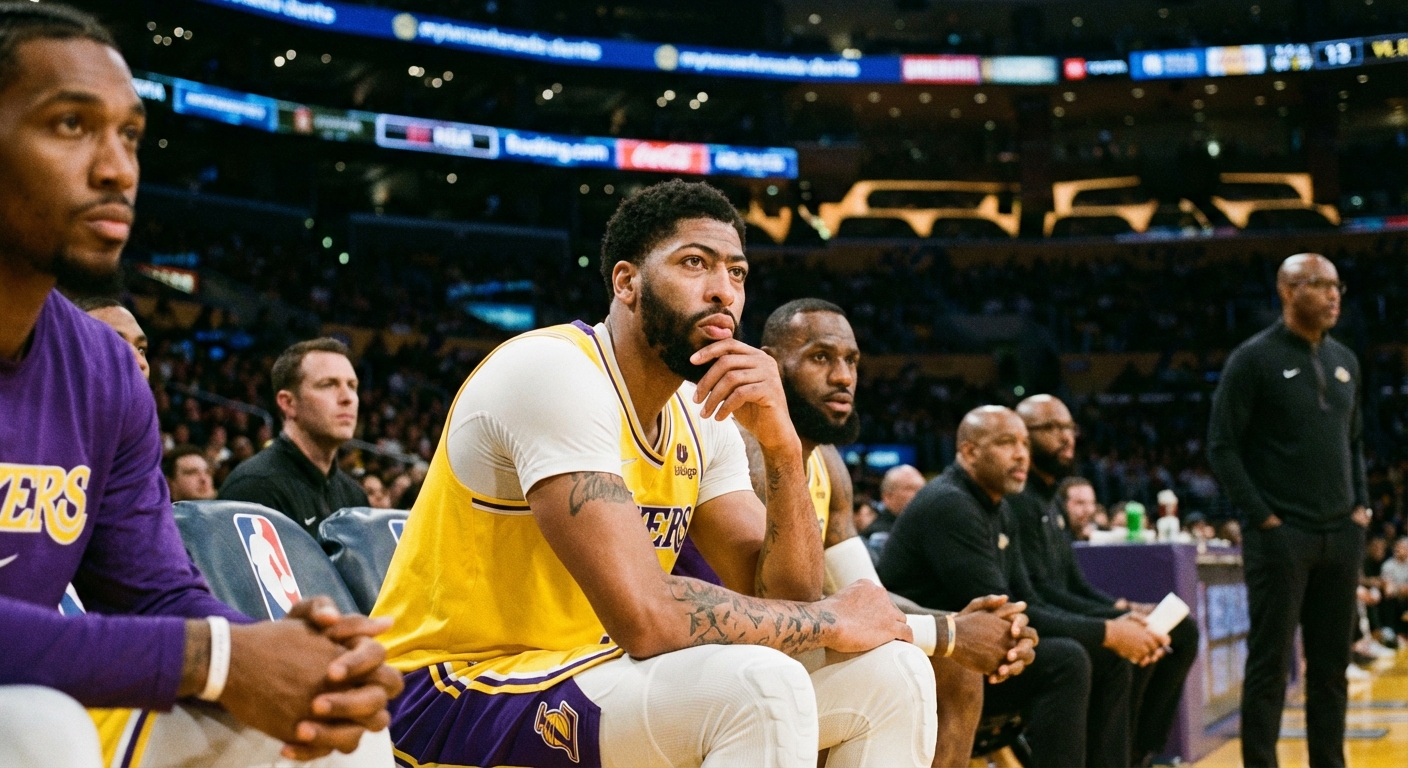
Other teams have reportedly inquired about Davis, but the same obstacles have prevented progress. Contenders don’t want to give up the assets required without extension assurances. Rebuilding teams can’t justify acquiring a player who might leave in free agency. Davis himself seems uncertain about what he wants, torn between competing for championships immediately and securing the long-term financial security that an extension would provide. The market for stars has never been more complicated, and Davis exemplifies every challenge that makes these deals so difficult to complete.
The Mavericks’ position has frustrated some around the league. They traded for Davis believing he could help them repeat as champions, but their current roster has underperformed expectations, sitting at 21-21 and seventh in the Western Conference per NBA.com standings. Trading Davis now would signal that the championship window has closed, something the organization isn’t ready to acknowledge. Keeping him through the deadline risks losing him for nothing if he decides to test free agency. Dallas has no good options, only choices between varying degrees of bad.
Memphis and the Ja Morant Question
The Grizzlies have reportedly begun testing the trade market for Ja Morant, a development that would have seemed unthinkable two years ago. Morant was the face of the franchise, a dynamic point guard whose athleticism and highlight-reel plays made him one of the NBA’s most marketable stars. His off-court issues have complicated that narrative, and Memphis has apparently decided to explore whether moving him could benefit both parties.
Morant’s on-court production has been excellent this season when he’s been available. He’s averaging 24.7 points and 8.3 assists per game, per NBA.com/stats, numbers that would place him among the league’s elite point guards under normal circumstances. The problem is that nothing about Morant’s situation is normal. His suspensions and controversies have created distractions that the Grizzlies’ young roster hasn’t handled well, and the team’s 18-24 record suggests that the chemistry issues extend beyond the box score.
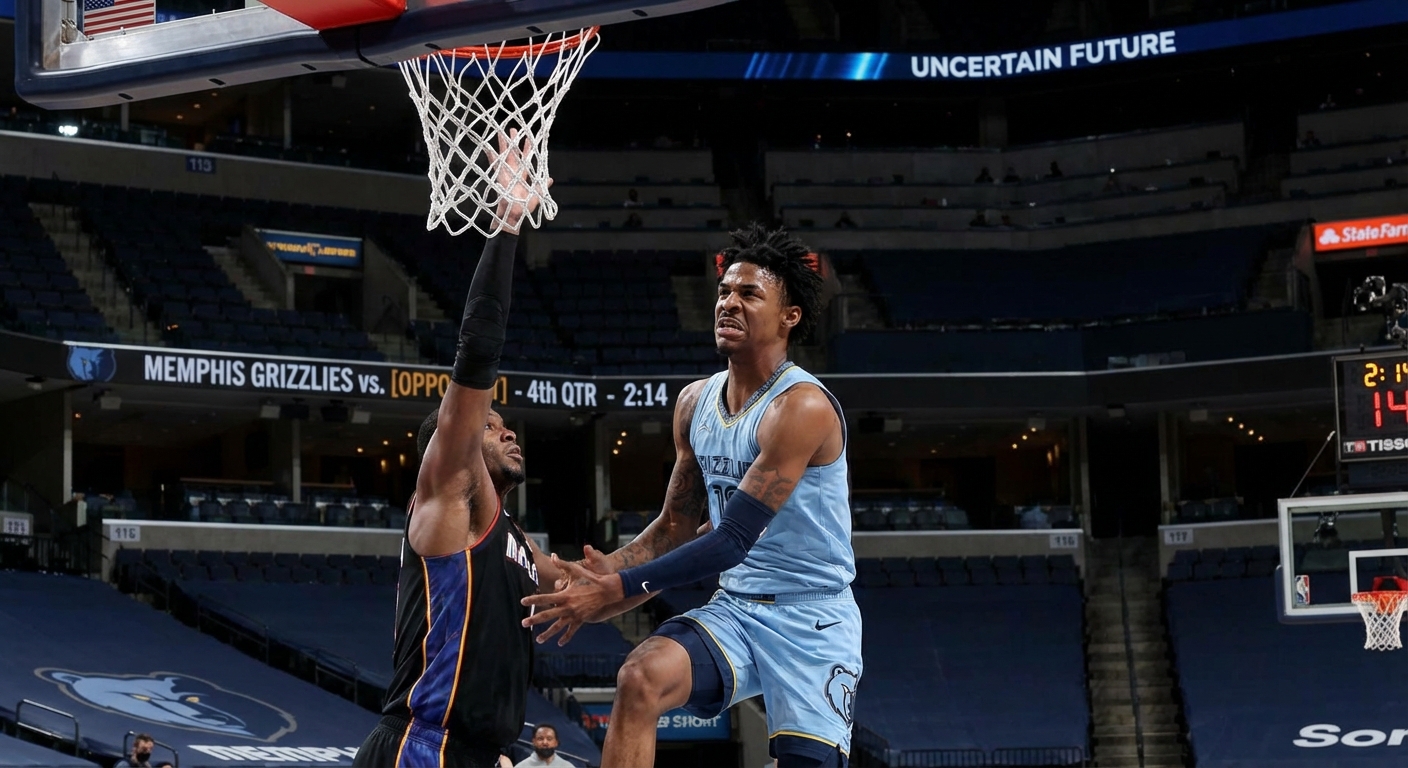
The market for Morant is even thinner than the market for Davis. Teams that could use a dynamic point guard are concerned about the off-court baggage he would bring. Teams willing to take that risk don’t have the assets Memphis would require in return. The Grizzlies want multiple first-round picks and a young player with star potential, a package that few teams can assemble for a player with Morant’s history. As ESPN’s Brian Windhorst noted on his podcast: “Everyone knows Ja can play. The question is whether you want to deal with everything else that comes with him.”
Memphis may ultimately decide to keep Morant through the deadline and reassess in the summer when more options become available. The franchise has invested too much in building around him to accept a substandard return, and the trade market’s current state doesn’t suggest that better offers are coming before February 5. Sometimes the best trade is the one you don’t make, and the Grizzlies may be approaching that conclusion.
Contenders on the Sidelines
The Detroit Pistons hold the best record in the Eastern Conference, a sentence that nobody predicted before the season and that still feels surreal to type. Their young core of Cade Cunningham, Jaden Ivey, and Jalen Duren has developed faster than projected, and the additions of surrounding talent have transformed a rebuilding project into a legitimate contender. The Pistons should be aggressive buyers at the deadline, the kind of team that trades future assets to maximize their championship window while the core is cheap and under control.
Instead, Detroit has been quiet. The front office has made it clear that they won’t sacrifice their long-term flexibility for short-term upgrades, believing that their young players will continue improving and that rushing the timeline could backfire. This philosophy makes sense in isolation, but it ignores the reality that championship windows open and close without warning. The Pistons have a chance to compete this season. Adding a veteran wing scorer or a defensive anchor could transform a good team into a great one. Their unwillingness to explore those options has frustrated fans who have waited decades for relevance.
The San Antonio Spurs present a similar situation in the Western Conference, though with Victor Wembanyama as their centerpiece, the calculus differs somewhat. Wembanyama’s ceiling is so high that the Spurs can afford patience that other teams cannot. They’ve positioned themselves as future buyers rather than current ones, stockpiling draft picks and developing young players while Wembanyama continues his ascent toward superstardom. Whether that patience proves wise will depend on how quickly Wembanyama reaches his potential and whether San Antonio can attract free agents when the time comes to build around him.
Why the Market Is Frozen
Several factors have combined to create this unprecedented trade freeze. The new collective bargaining agreement has made it significantly more expensive for teams to aggregate talent, with luxury tax penalties that escalate dramatically for repeat offenders. Teams that once would have absorbed bad contracts to acquire stars are now more cautious about their payroll flexibility. The apron restrictions have particularly impacted teams near the tax threshold, limiting their ability to take on salary in trades and reducing the number of potential partners for any given deal.
The quality of available players has also contributed to the inactivity. While Davis and Morant are both capable of All-NBA performances, both come with significant concerns that make their value difficult to assess. Teams are hesitant to give up future assets for players whose best days may be behind them or whose reliability can’t be guaranteed. The trade market thrives on certainty, and the current crop of available stars offers very little of it.
Draft pick valuations have shifted as well. The 2026 draft class is projected to be one of the strongest in years, with multiple prospects receiving generational comparisons. Teams that would normally trade future picks for immediate upgrades are more protective of assets that could land them franchise-altering talents. This has created a standoff where sellers want future picks and buyers want to keep them, leaving few pathways to completed deals.
The Four-Week Countdown to February 5
History suggests that deals tend to cluster in the final days before the deadline, as teams that have been posturing finally face the reality of their situations. Sellers who insisted on maximum returns often accept less when the alternative is keeping players who want to leave. Buyers who claimed they wouldn’t overpay frequently find that overpaying is preferable to standing pat. The Ringer’s Kevin O’Connor has identified at least eight teams currently in “active monitoring” mode, waiting for one domino to fall before committing to their own moves.
The Young trade may serve as the template for what’s to come: straightforward deals that move players to preferred destinations without the massive hauls that teams initially demanded. Stars might move for rotation players and salary relief rather than multiple first-round picks. The market is adjusting to a new reality where player movement remains common but the prices have fundamentally changed.
Winners and Losers
The frozen trade market does not affect every team equally, and the longer the stalemate lasts, the more it reshapes the competitive landscape in ways that aren’t immediately obvious.
Winners: The Detroit Pistons benefit the most from inaction. Their young core is developing chemistry that no midseason acquisition could replicate, and every week that passes without a rival adding a star narrows the gap between Detroit and the Eastern Conference’s established powers. The Spurs are similarly well-positioned. ESPN’s Bobby Marks has pointed out that San Antonio holds the most tradeable first-round picks in the league, meaning they can strike at any moment while other teams remain paralyzed. The longer they wait, the more desperate sellers become, and the better San Antonio’s eventual return.
Losers: The Dallas Mavericks are bleeding leverage daily. As The Athletic’s John Hollinger noted, Davis’s trade value depreciates with every game Dallas plays below .500 because it signals organizational dysfunction rather than a one-off rough patch. If Dallas waits until the final days of the deadline, they’ll face the exact fire-sale dynamic they’ve been trying to avoid. Memphis finds itself in a similar bind with Morant. The Grizzlies’ sub-.500 record is already costing them playoff positioning, and holding a discontented star through a losing season risks locker room erosion that could take years to repair.
The deeper structural loser is the league itself. The new CBA’s second apron restrictions were designed to promote parity, but they’ve instead created a middle class of teams too good to sell and too constrained to buy. According to Spotrac, 14 teams currently sit within $10 million of the luxury tax apron, leaving them unable to absorb salary in trades without triggering punitive restrictions on future transactions. The irony is that a rule meant to encourage competitive balance may be doing the opposite by preventing the player movement that keeps the league dynamic. If this deadline passes without significant activity, the NBA’s competition committee will almost certainly revisit these trade restrictions before the next collective bargaining cycle.
Sources
- ESPN NBA Trade Deadline Tracker - Bobby Marks and Brian Windhorst on trade market dynamics and salary cap implications.
- The Athletic: NBA Trade Deadline Intel - John Hollinger’s analysis of trade valuations and the Anthony Davis market.
- Basketball Reference: 2025-26 NBA Season - Player statistics and team records referenced throughout.
- Spotrac: NBA Team Salary Rankings - Salary and cap data for trade feasibility, including Trae Young’s contract and second apron figures.
- NBA.com Stats - Official league statistics for Ja Morant and team standings.