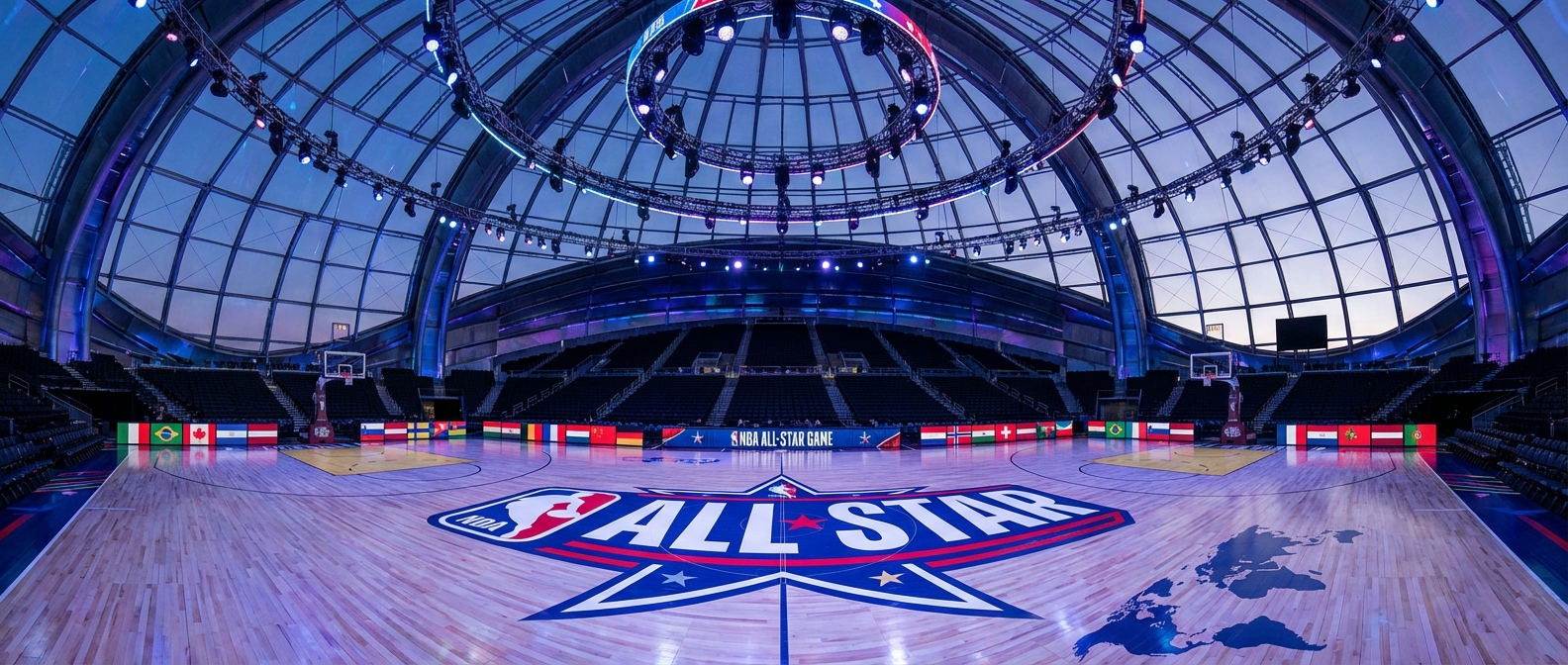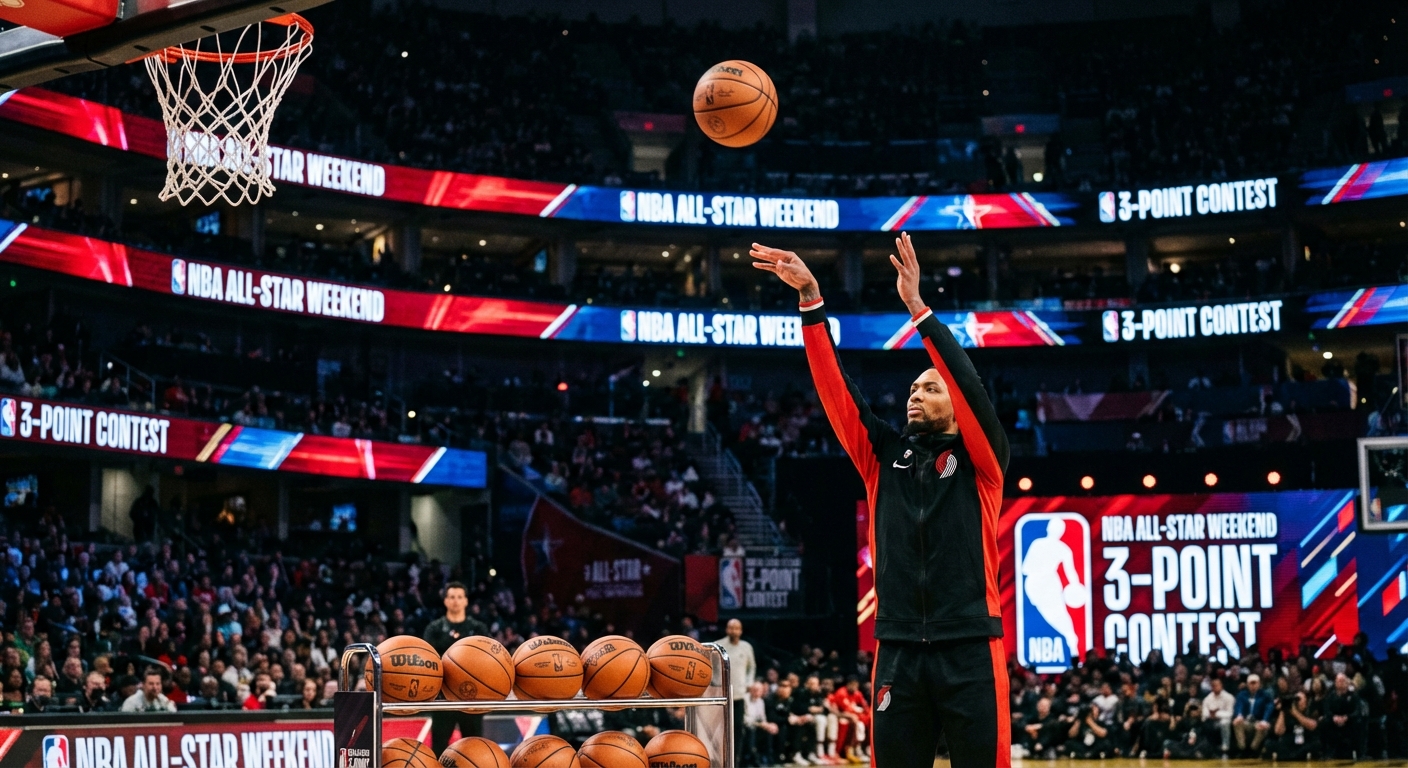
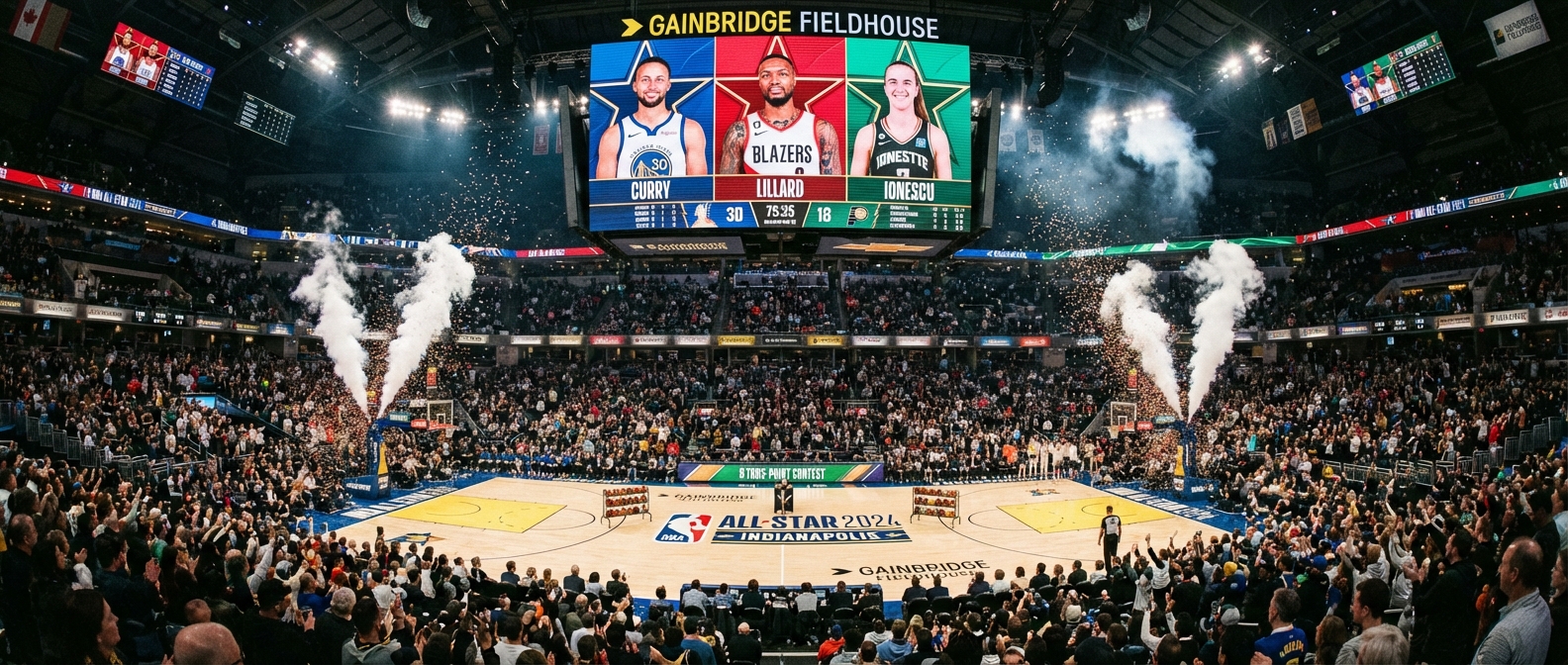
Damian Lillard stood at the first rack with 13 points and the clock running out on his opening round. Devin Booker had already posted a 30, the kind of score that usually buries the field, and Lillard looked like an afterthought. Then something turned. He hit 9 of his final 10 shots, rescued his round with a 27, and advanced to the final. In that final round, Lillard scored 29 to beat Booker’s 27 and Kon Knueppel’s 17, clinching his third career 3-Point Contest title and tying Larry Bird and Craig Hodges as the only players in NBA history to win the event three times. The crowd at Intuit Dome in Inglewood roared for a man who hasn’t played an NBA game all season, a man whose left Achilles tendon tore apart ten months ago, a man who is technically unemployed by the standards of active rosters. That’s the story everyone will remember from Saturday night’s All-Star festivities. Not the dunk contest, not the Shooting Stars. Lillard, shooting in a Trail Blazers warmup on a surgically repaired leg, doing what he’s always done best: making it from 30 feet look easy when it’s anything but.
Nine of Ten: The Sequence That Changed Everything
The opening round nearly ended Lillard’s night before it started. His first two racks produced a combined 13 points, well below the pace needed to advance past Booker’s blistering 30. The rhythm wasn’t there. His release looked slightly lower than normal, a subtle mechanical adjustment that made sense once you remembered the Achilles. Shooting a basketball doesn’t require the explosive push-off of driving to the rim, but it demands stability through the legs, a chain of force that starts in the calves and moves upward through the hips and core. A repaired Achilles disrupts that chain, and early in the round, the disruption was visible.
What happened next was pure Lillard. He found his groove on rack three, hitting four straight, then ran the table through racks four and five. Nine of his final ten shots fell. The 27 was enough to advance, and the confidence it generated carried directly into the final round. Booker, who had looked untouchable with his opening 30, could only manage 27 in the championship round. Lillard’s 29 was the highest final-round score of the night.
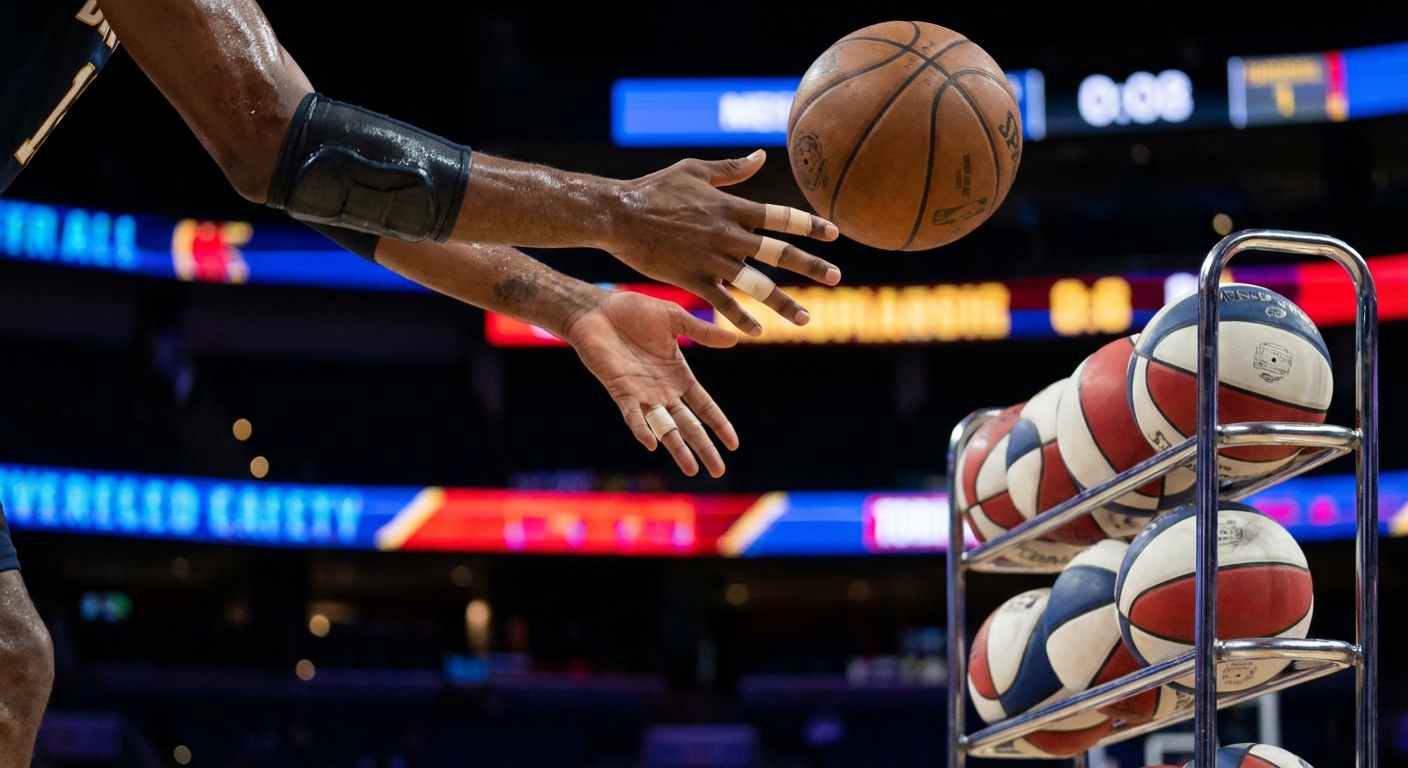
“I came in confident,” Lillard said afterward, per ESPN. “I’m fresh. I don’t have to go out there and play 40 minutes. I just have to come out and shoot.” The comment was delivered with Lillard’s trademark understatement, but the underlying reality was far more complicated than standing still and shooting. He had spent ten months rebuilding a tendon that, when healthy, anchored one of the most dynamic offensive games in league history. That he could even stand on a basketball court and compete was notable. That he won the whole thing was something else entirely.
The Achilles Timeline: From Milwaukee’s Collapse to Portland’s Embrace
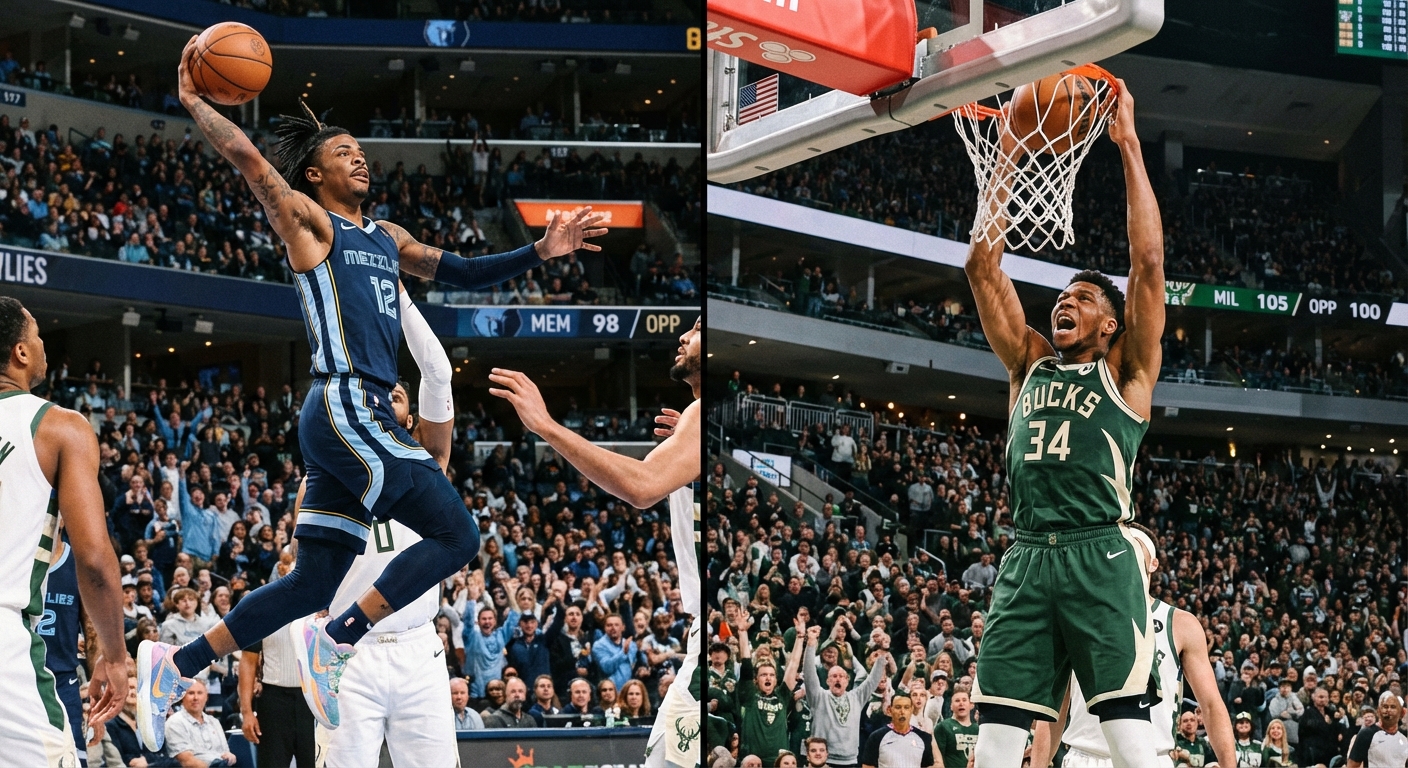
The sequence of events that brought Lillard to this moment reads like a sports movie script that a studio executive would reject for being too implausible. In April 2025, during the Bucks’ first-round playoff series against Indiana, Lillard tore his left Achilles tendon. The injury ended Milwaukee’s season and, effectively, the Lillard era in Wisconsin. The Bucks had acquired him in September 2023 in a blockbuster trade with Portland, betting that pairing Lillard with Giannis Antetokounmpo would produce a championship. It never clicked the way Milwaukee hoped. Two playoff disappointments later, the torn Achilles gave both sides an exit ramp.
In July 2025, the Bucks made the unusual decision to waive Lillard using the stretch provision, spreading his remaining salary across future cap sheets rather than carrying a max-contract player through a lengthy rehabilitation. The move, as CBS Sports detailed at the time, was simultaneously ruthless and rational. Milwaukee needed cap flexibility to retool around Giannis, and Lillard, at 35 with a torn Achilles, represented risk that the front office was no longer willing to absorb. For Lillard, the stretch provision turned what could have been an awkward end into an opportunity. He signed a three-year, $42 million deal to return to the Portland Trail Blazers, the franchise where he spent his first 11 seasons and became one of the most beloved players in franchise history.
He hasn’t played a game since. Lillard’s plan, according to Sports Illustrated’s reporting, has always been to target a return for the 2026-27 season, treating this year as a full rehabilitation with the Trail Blazers’ medical staff. The 3-Point Contest was his first competitive basketball activity of any kind since the injury, and the fact that Portland’s training staff cleared him to participate speaks to the progress of his recovery. It doesn’t mean he’s close to playing five-on-five basketball. Shooting stationary threes and playing 35 minutes of NBA basketball require fundamentally different physical demands. But the contest proved something that months of rehabilitation couldn’t: Lillard’s shooting touch, the skill that defined his career more than any other, survived the injury intact.
Why the Achilles Matters More Than the Trophy
The historical context of Achilles injuries in basketball makes Lillard’s performance even more striking. The injury has ended more NBA careers than almost any other. Kobe Bryant tore his Achilles in 2013 and was never the same player. DeMarcus Cousins suffered the same injury in 2018 and bounced between rosters for the remainder of his career. Kevin Durant’s 2019 Achilles tear in the NBA Finals was followed by a full-season absence, and while Durant returned to elite play, he was 30 at the time and had the benefit of Brooklyn’s resources during his recovery. Lillard is 35. The odds of returning to anything resembling his pre-injury form are, historically, slim.
Only one other player in NBA history has competed in the 3-Point Contest while recovering from an Achilles injury: Voshon Lenard, who participated in the 2005 event during his own rehabilitation. Lenard did not win. That Lillard not only competed but dominated the field, posting the highest final-round score, suggests that his shooting mechanics have not been compromised. The Achilles is critical for the explosive movements that defined Lillard’s peak, the pull-up threes in transition, the step-back daggers, the ability to create separation off the dribble. Stationary shooting requires less from the tendon, but it still demands a stable base and coordinated lower-body movement. The fact that Lillard looked smooth rather than tentative is the most encouraging sign Portland’s fans have received all season.
The parallel worth drawing here is to the sport of golf, where players routinely compete at elite levels after Achilles surgery because the motion demands are specific and manageable. Tiger Woods played competitive golf after knee surgery, back fusion, and a car accident that nearly cost him his leg. The 3-Point Contest, in a sense, is basketball’s version of that: a skill-specific competition that strips away the full athletic demands of the sport and isolates the one thing the competitor does best. Lillard’s performance doesn’t tell us whether he can guard a pick-and-roll or attack a closeout next season. It tells us his hands still work, his eyes still calibrate distance the way they always have, and his confidence hasn’t been touched.
The Three-Timer Club: Bird, Hodges, and Now Lillard
Joining Larry Bird and Craig Hodges as a three-time champion puts Lillard in historically rarefied company, but the comparison reveals how different each player’s path to the milestone was. Bird won his three titles consecutively from 1986 to 1988, during the contest’s earliest years when the event was still establishing itself as an All-Star Weekend staple. Bird famously walked into the locker room before the 1986 contest and asked the other competitors, “Who’s coming in second?” Hodges won three straight from 1990 to 1992, a stretch of dominance fueled by what many consider the purest shooting stroke of his era.
Lillard’s three victories, coming in 2023, 2024, and now 2026, are spread across different chapters of his career. His first win came during his final full season in Portland. His second came during his first year in Milwaukee, a rare bright spot in a partnership with Giannis that never produced the playoff success both players expected. His third came after a torn Achilles, a franchise change, and a full season away from the game. The gaps between victories make his achievement arguably more impressive than the consecutive runs by Bird and Hodges. Lillard had to rediscover his rhythm each time, in different uniforms, in different physical conditions, against different fields. The consistency of the result speaks to something that transcends circumstance: the man can flat-out shoot, and he can do it when it counts, regardless of what’s happening around him.
The Comeback That Wasn’t About Basketball
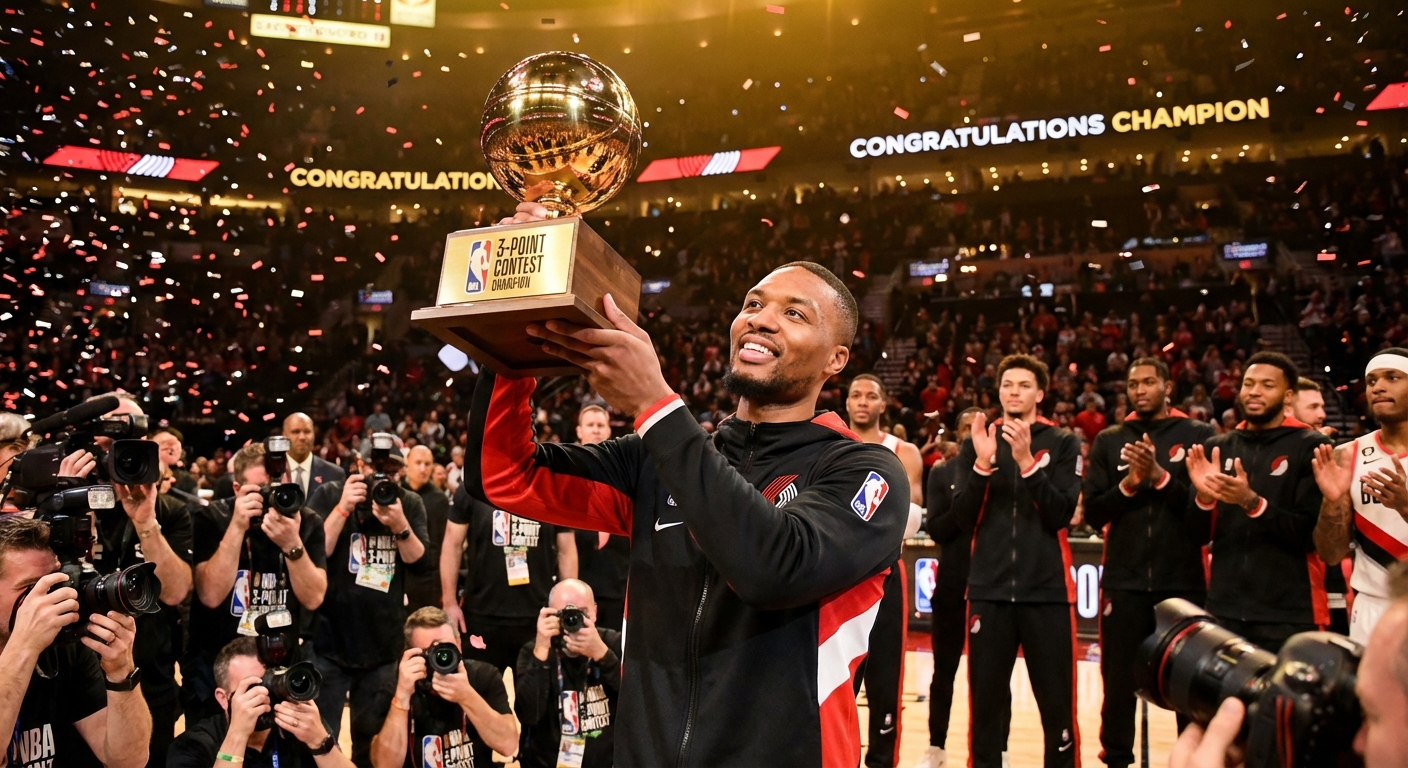
Lillard’s Saturday night was the feel-good moment of an All-Star Weekend that needed one. The rest of the evening’s events, Keshad Johnson’s dunk contest win and Team Knicks’ Shooting Stars victory, were entertaining enough but lacked narrative weight. Lillard provided the gravity. A 35-year-old who hasn’t played a game all season, wearing the jersey of the city that raised him as a basketball player, draining threes on a repaired Achilles to tie a record that Larry Bird set 40 years ago. The story writes itself, and it wrote itself in real time as Lillard’s shots started falling.
The real question isn’t whether Lillard can win another shooting contest. It’s whether he can play basketball again. Portland signed him to a three-year deal believing the answer is yes, and Saturday’s performance, while not a medical evaluation, provided circumstantial evidence in Lillard’s favor. His shooting form looked natural. His movement around the racks, while limited compared to game action, showed no visible compensation or hesitation. The trade deadline reshuffled Milwaukee’s roster without him, and Portland is building something new with young talent and cap flexibility. If Lillard returns in 2026-27, he won’t be the centerpiece of a contender. He’ll be a veteran presence on a developing team, a role that requires less of the explosive athleticism the Achilles took away and more of the shooting, leadership, and basketball intelligence that Saturday proved he still possesses.
The 3-Point Contest doesn’t count in the standings. It doesn’t affect playoff seeding or MVP voting or any of the metrics by which NBA careers are ultimately measured. But it counts in ways that stats can’t capture. Lillard proved to himself, to Portland, and to anyone who wrote him off after the Achilles tear that the most important part of his game is still there. For a player who built his legend on moments of impossible shotmaking, Saturday night was right on brand: improbable, dramatic, and decided from 24 feet away.
Sources
- ESPN: Lillard returns to win record-tying third 3-Point Shootout
- CBS Sports: Explaining the Bucks’ decision to use the stretch provision on Damian Lillard
- CBS Sports: 2026 NBA All-Star live updates and results
- Sports Illustrated: Lillard addresses injury rehab before 3-Point Contest
- Yahoo Sports: Lillard joins Bird and Hodges as only 3-time 3-Point Contest champions