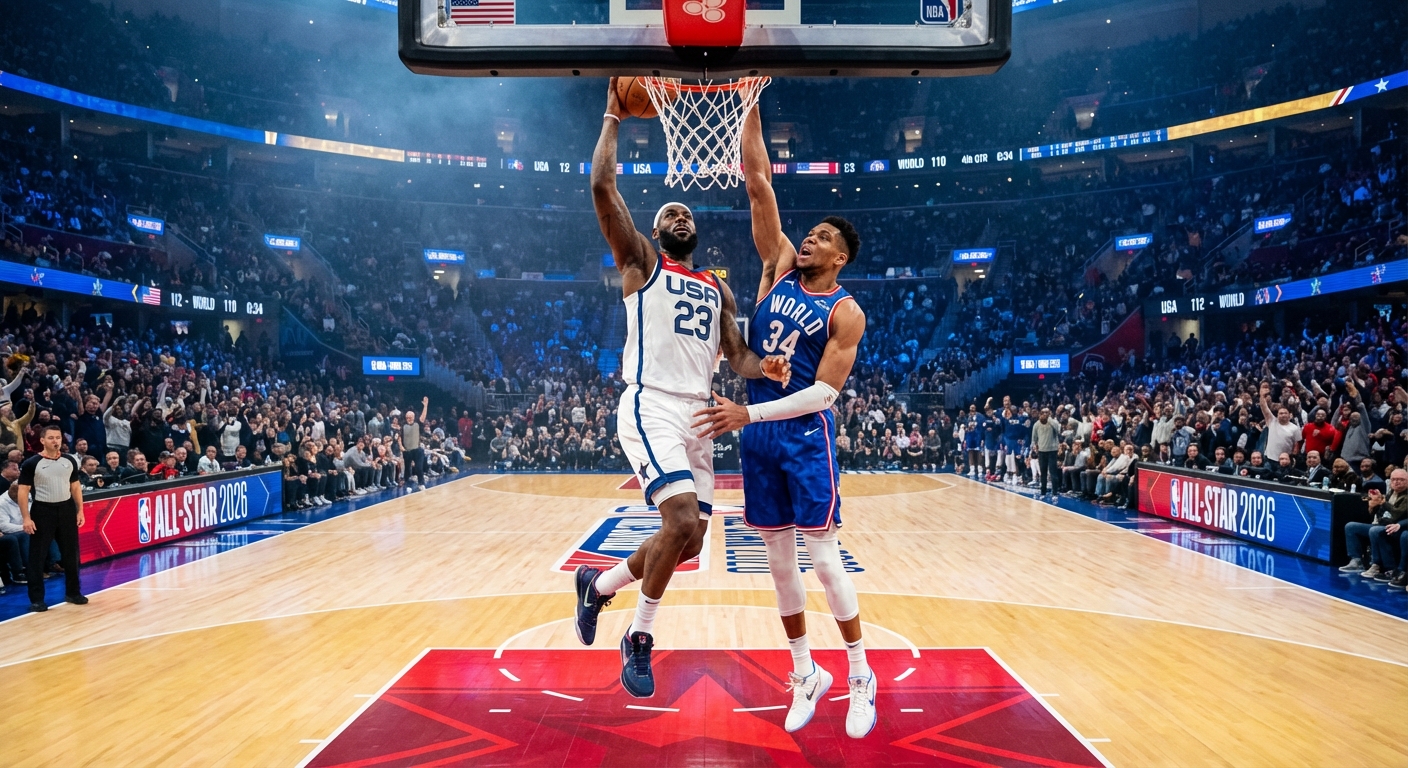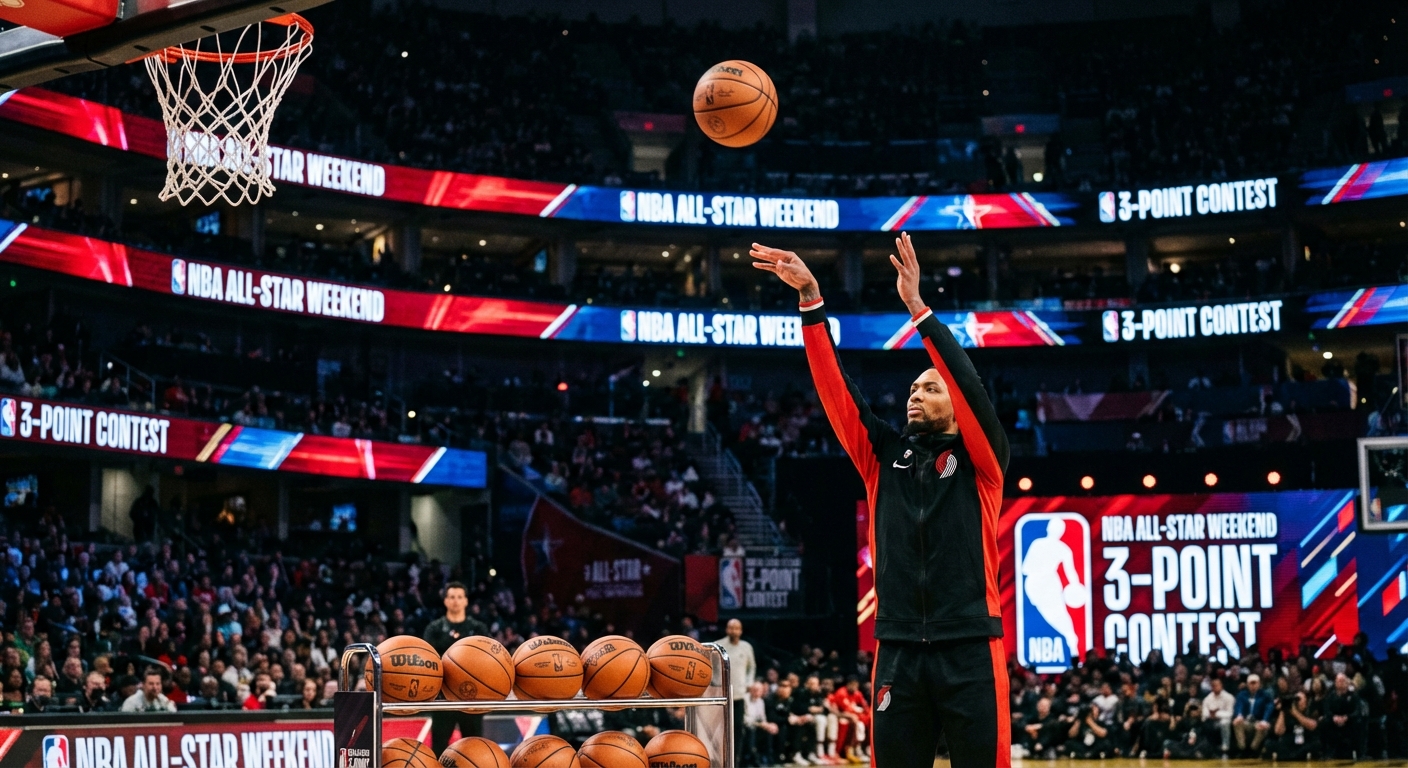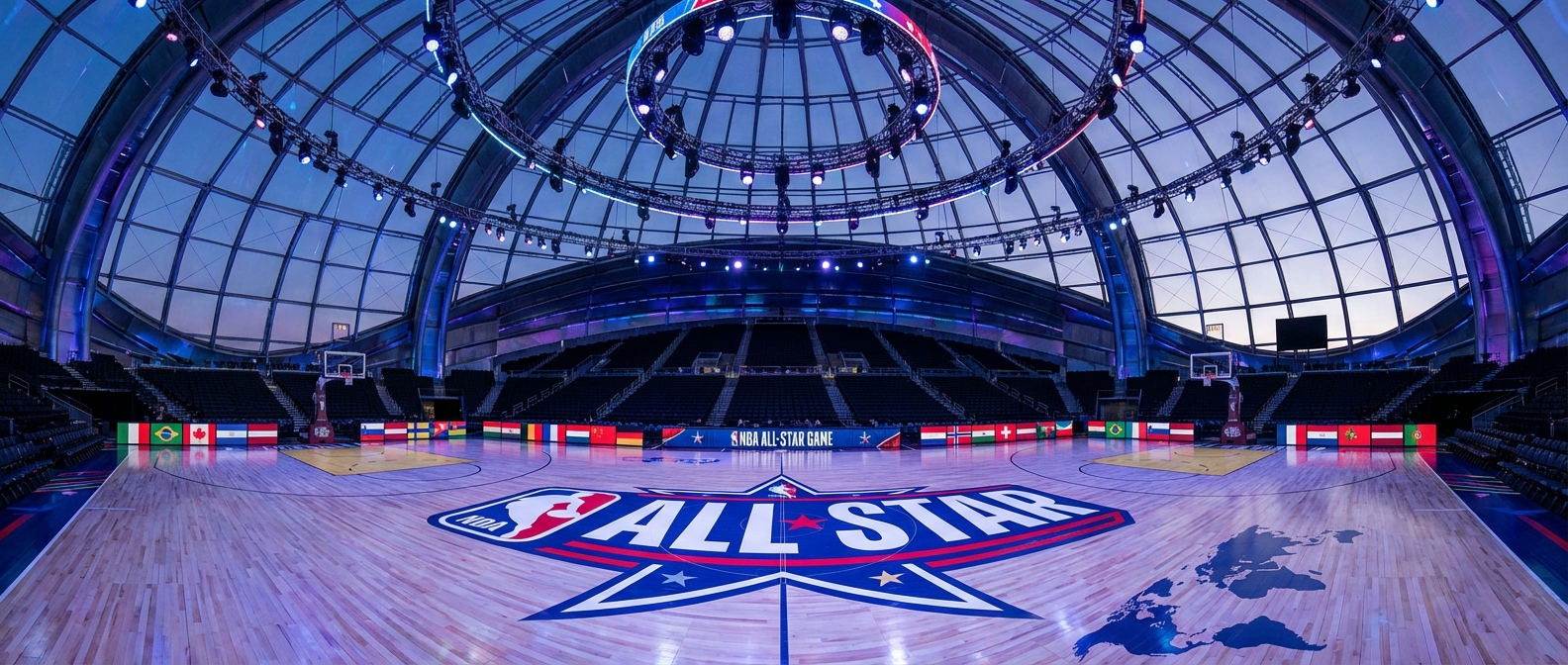
LeBron James will take the floor for the 22nd consecutive NBA All-Star Game on Sunday. Twenty-two. He was first selected in 2005, when the idea of international players dominating the NBA was still more theory than reality, when the Eastern and Western Conference format felt like it would last forever, and when the All-Star Game itself still carried a faint competitive pulse. Two decades later, the game he keeps getting selected for has been broken for years, a showcase where the world’s best basketball players jog through 48 minutes of matador defense and uncontested dunks while fans at home change the channel. The NBA knows this. The league has tried captain drafts, an Elam Ending, and target scores to inject urgency into its midseason exhibition. None of it has stuck. So for the 75th edition of the All-Star Game, being held at the Clippers’ Intuit Dome in Inglewood, California, the league is trying something genuinely different: scrap East vs. West entirely and pit the best American players against the best international players in a three-team round-robin tournament.
The format change is not cosmetic. It is a structural reimagining of what the All-Star Game can be, and for the first time in years, there is a credible argument that this version might actually produce basketball worth watching.
The Gamble Behind Scrapping East vs. West
The traditional conference format had been dying a slow death for more than a decade. The talent imbalance between East and West fluctuated from year to year, but the fundamental problem was never about competitive balance between conferences. It was about motivation. All-Star selections are individual honors, and once a player earned his spot, there was no meaningful incentive to compete in a game where the result carried zero consequences. The captain draft, introduced in 2018, briefly generated intrigue through the spectacle of selection, but the games themselves remained glorified pickup runs.
The USA vs. World concept borrows from a format that has already proven it can generate real effort: the Olympics. The NBA’s gamble is straightforward. National pride, or at least the tribalism of representing your country, will motivate players in ways that conference affiliation never could. It is the same logic that made the 4 Nations Face-Off work for the NHL and that has kept international soccer compelling even in friendly matches. Whether it translates to a mid-February exhibition in Inglewood is the central question of All-Star weekend.
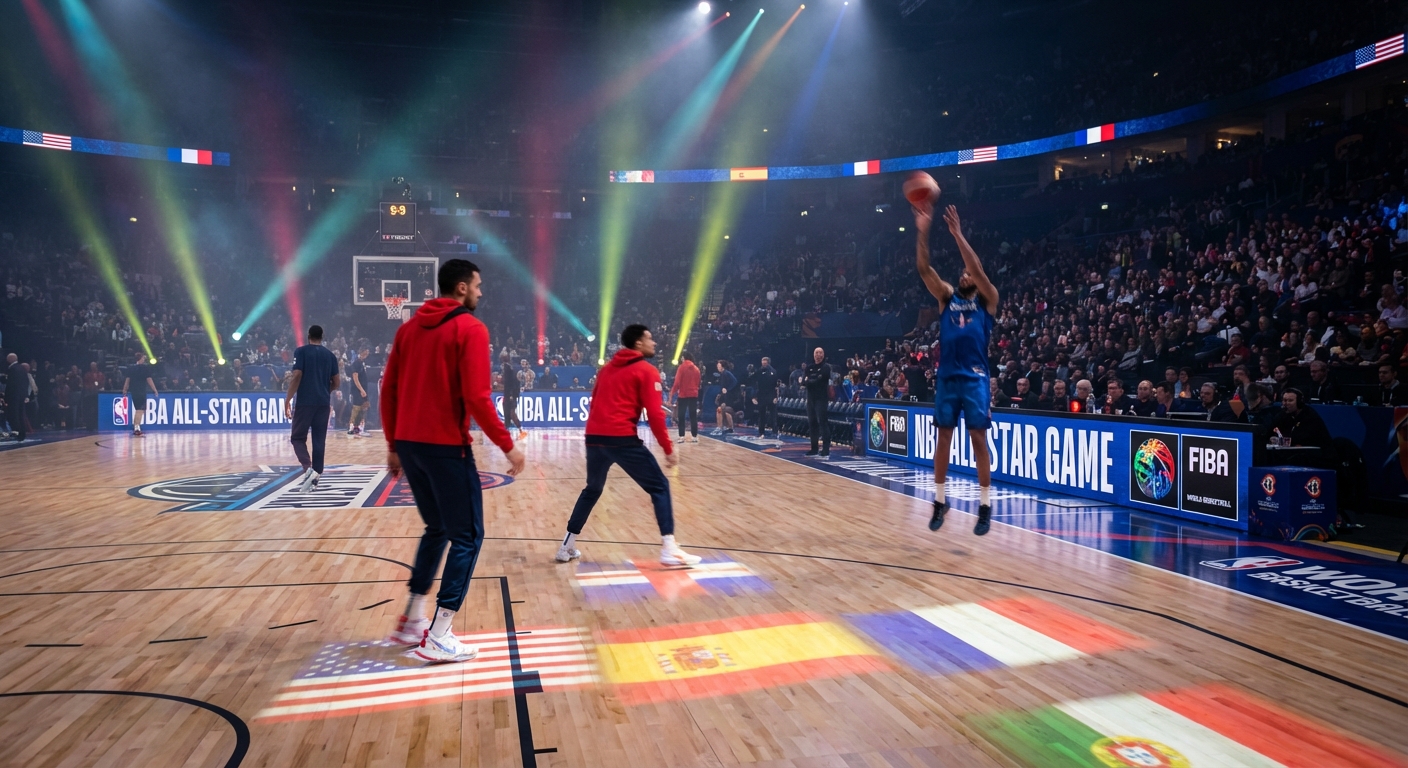
The format itself is a round-robin mini-tournament of four 12-minute games. Each team plays at least two games, and the top two teams advance to a championship game. It is compact enough to hold attention and consequential enough, in theory, to make each possession matter. The broadcast will air on NBC for the first time since 2002, a return to network television that the league hopes will pair with a more compelling product to recapture casual viewers who long ago stopped caring about the All-Star Game.
USA Stars: The Generation That Inherited the League
The younger of the two American teams, coached by Detroit’s J.B. Bickerstaff, features a roster that represents the NBA’s present and immediate future. Anthony Edwards headlines the group after his breakout Olympic performance in Paris, and he is joined by a collection of players who are either already stars or on the cusp of superstardom: Cade Cunningham, Scottie Barnes, Tyrese Maxey, Jalen Johnson, Devin Booker, Chet Holmgren, and Jalen Duren.
The Pistons’ representation is notable and earned. Cunningham has been the engine of Detroit’s stunning rise this season, a transformation we covered earlier this year, and Duren’s development into one of the league’s most physically dominant young centers earned him his first All-Star nod. Bickerstaff getting the coaching assignment is a direct result of Detroit’s success, and the symmetry of coaching two of his own players in an All-Star setting speaks to how far the franchise has come.
Edwards, though, is the headliner. The 24-year-old Timberwolves guard has been playing at an MVP-caliber level all season, and his combination of explosive athleticism and increasingly refined shot-making makes him the most entertaining player on any All-Star roster. If the USA vs. World format is going to generate real competitive juice, Edwards is the player most likely to treat this like a real game. He does not have a gear lower than full speed.
USA Stripes: LeBron’s 22nd and the Veteran Guard
The older American squad reads like a decade of basketball history compressed into one roster. LeBron James, Kevin Durant, Stephen Curry (replaced by Brandon Ingram due to a knee injury), Jaylen Brown, Jalen Brunson, Donovan Mitchell, Kawhi Leonard, and Norman Powell form a group that has combined for more All-Star selections than some franchises have had in their entire history.
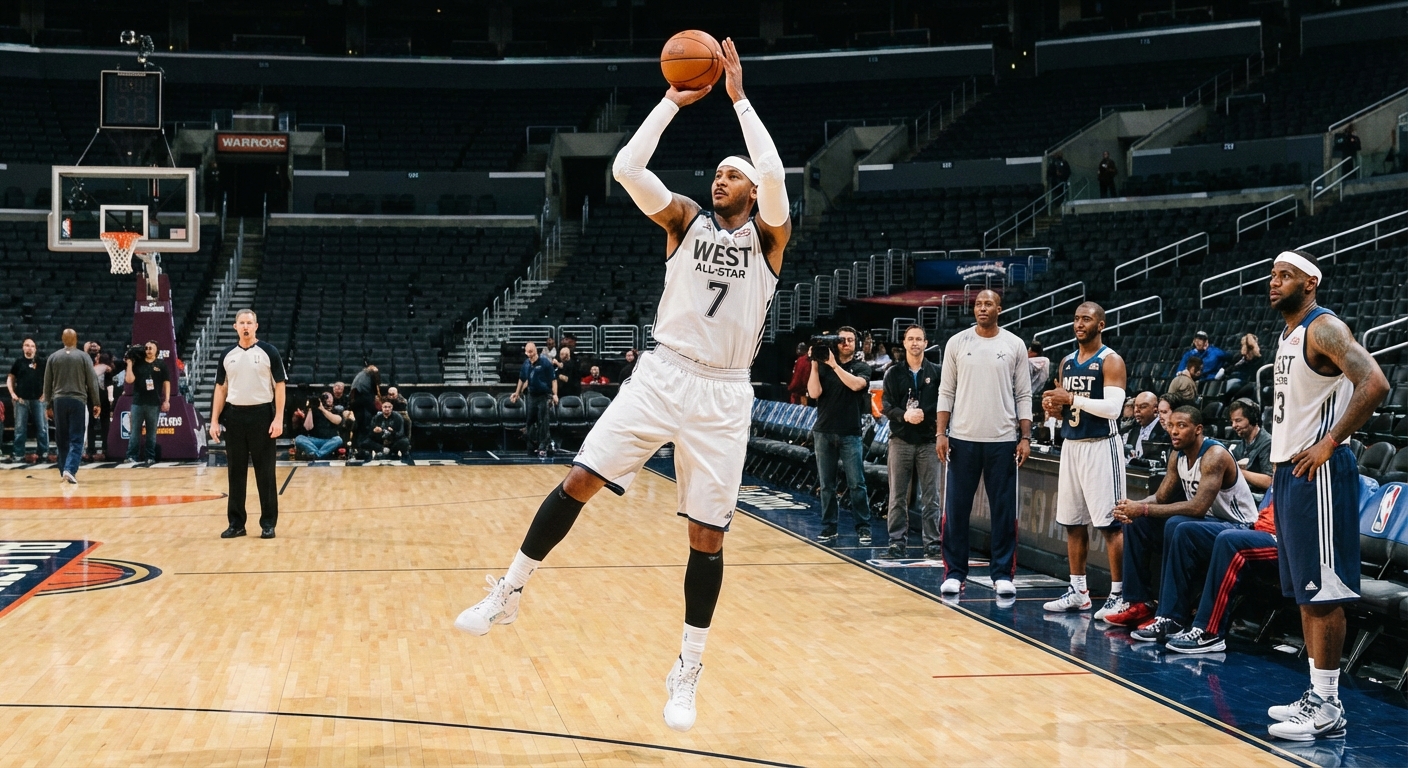
That unbroken streak, spanning four different teams, three championships, and an era of basketball that has transformed almost beyond recognition, represents a record that will almost certainly never be broken. At 41, his numbers have declined from their peak, but his presence on this roster is more than ceremonial. He averaged 23.1 points and 7.8 assists in the first half of this season, per NBA.com, numbers that would be career highs for most players in the league.
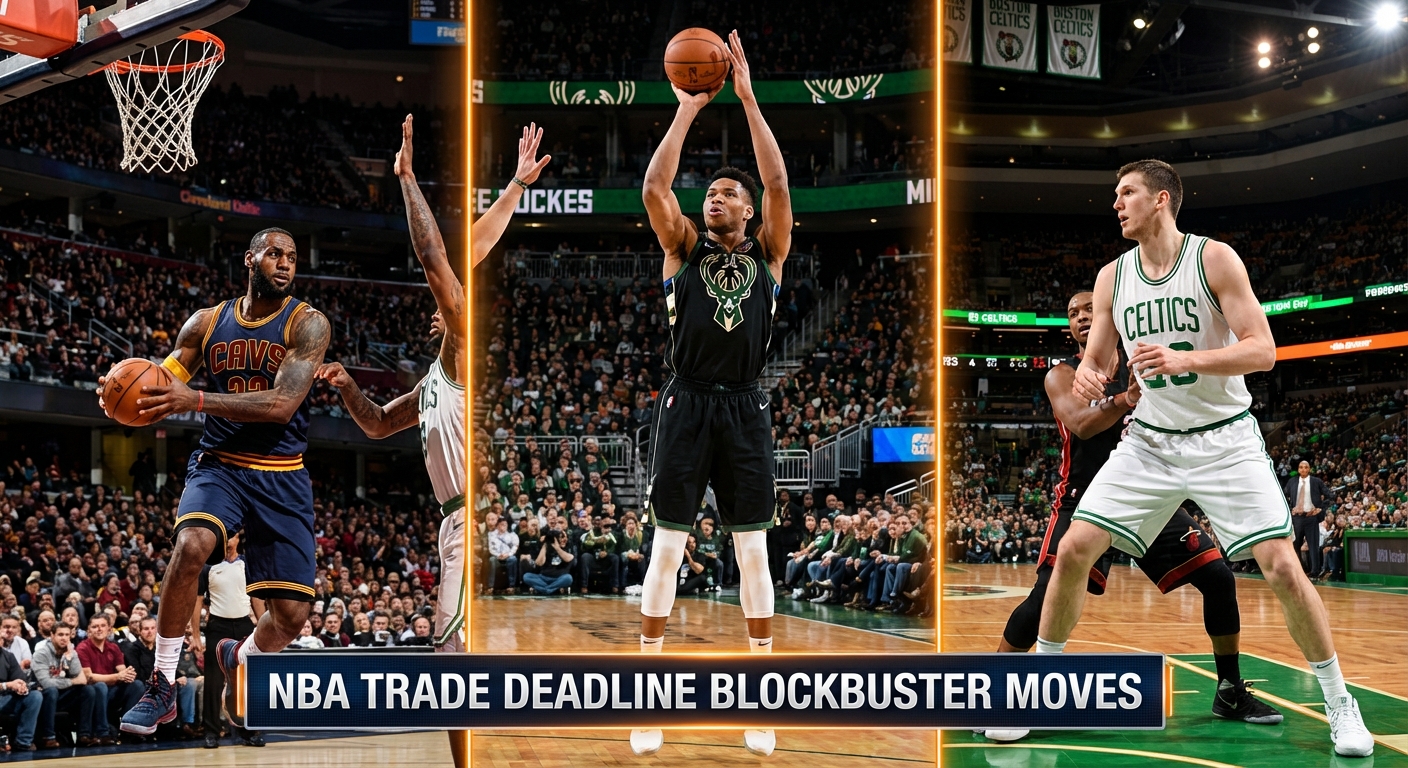
Mitchell’s inclusion comes with a fascinating subplot. The trade deadline reshuffled his supporting cast in Cleveland, pairing him with James Harden in a backcourt that is either championship-caliber or a chemistry experiment waiting to detonate. All-Star weekend gives Mitchell a brief respite from the pressure of making that partnership work, but it also puts him on a team with Durant and LeBron, two players who understand better than anyone what it means to integrate a new star into an existing system. San Antonio’s Mitch Johnson coaches this squad.
Team World: The Most Loaded International Roster in All-Star History
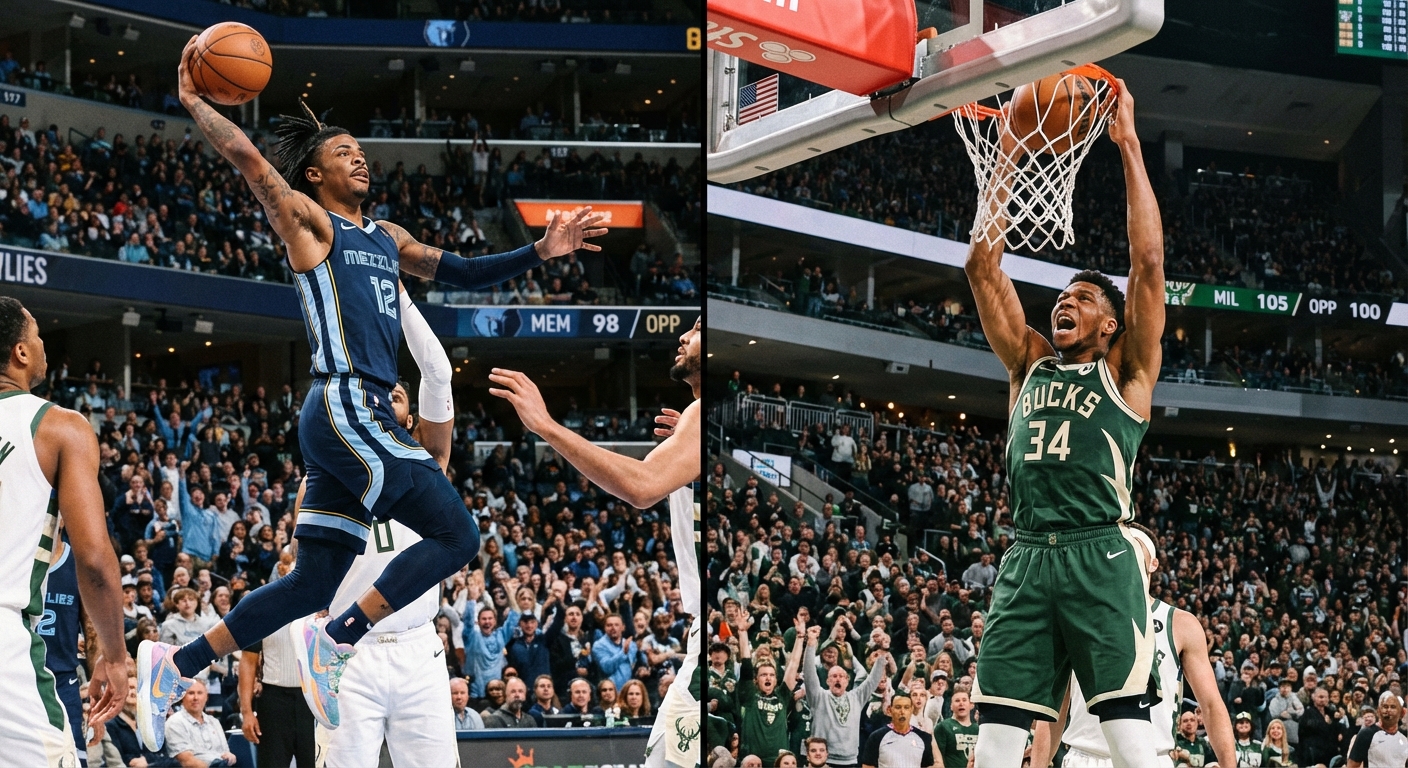
This is where the format gets genuinely interesting. Team World, coached by Toronto’s Darko Rajakovic, features a roster so talented that it might be the best collection of international players ever assembled for any basketball event outside of the Olympics: Nikola Jokic, Shai Gilgeous-Alexander, Victor Wembanyama, Luka Doncic, Karl-Anthony Towns, Pascal Siakam, Jamal Murray, and Deni Avdija.
Jokic alone would make this team a threat. The three-time MVP is having another quietly historic season in Denver, and his combination of passing vision, scoring efficiency, and basketball IQ makes him the best player in the world by many advanced metrics. But the depth around him is what separates this squad. Gilgeous-Alexander has been the most dominant two-way guard in the NBA this season. Wembanyama, at 21, is already one of the most unique defensive forces the sport has ever seen, a 7-foot-4 rim protector who can switch onto guards and contest shots from angles that should not be physically possible. Doncic, now with the Lakers, brings his usual blend of offensive brilliance and competitive fire.
The notable absence is Giannis Antetokounmpo, who was named to the roster but is unavailable due to a calf strain. Losing a two-time MVP diminishes the spectacle, but the remaining roster is deep enough to absorb the blow. Towns, the Dominican-American forward playing for the Knicks, adds an intriguing wrinkle: he chose to represent Team World rather than the USA, a decision that reflects both his heritage and the growing pride that international players feel in their distinct basketball identity.
Why This Time Might Actually Be Different
The NBA has cried wolf before on All-Star format changes. The Elam Ending generated a single memorable game in 2020 and quickly lost its novelty. The captain draft was fun for television and irrelevant on the court. Skepticism about the USA vs. World format is reasonable and earned. But there are structural reasons to believe this iteration has a better chance of producing competitive basketball.
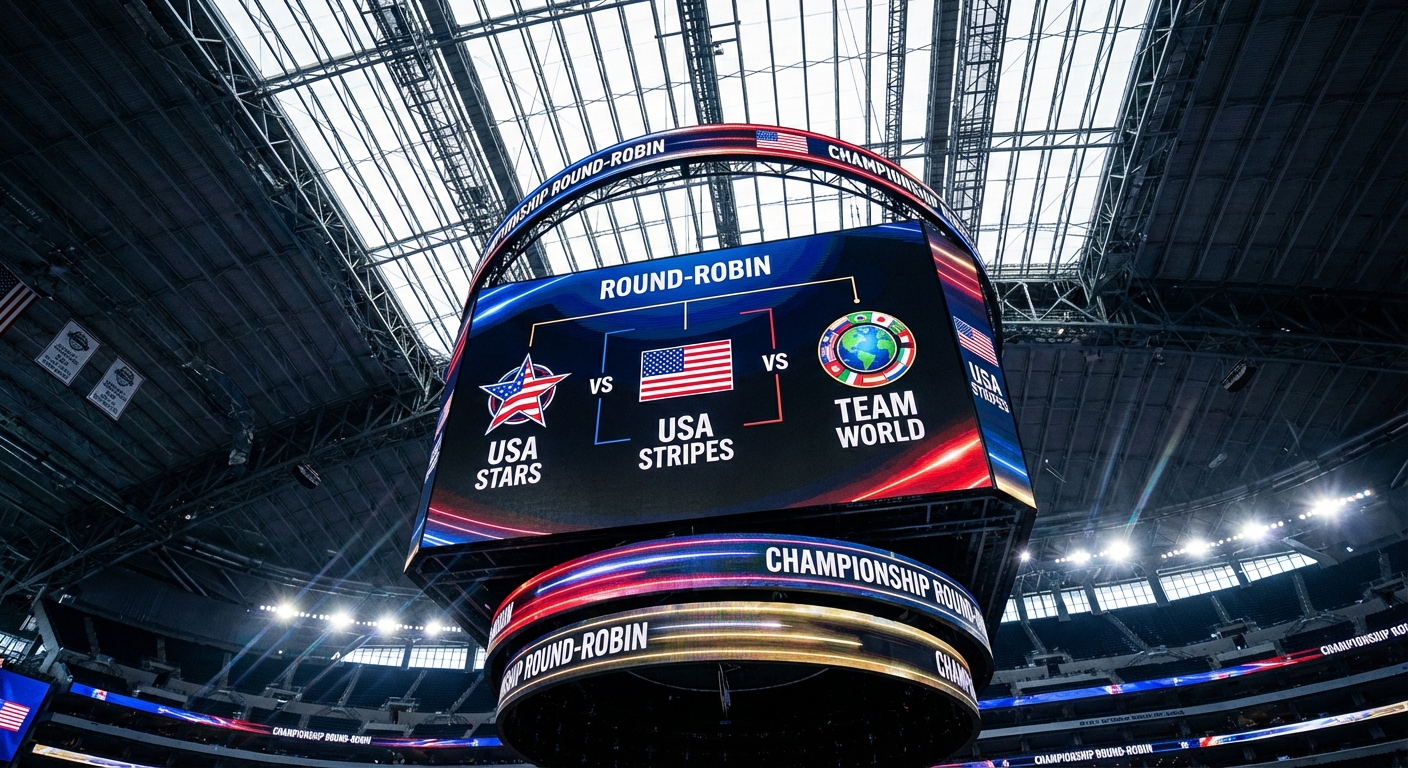
First, the round-robin format creates elimination stakes. If a team loses both of its preliminary games, it is done. There is no guarantee that every All-Star gets to play in the championship game, which means the early games carry actual consequences. Second, the international players have a genuine chip on their shoulders. The narrative that international basketball has caught up to American basketball is no longer a talking point. It is a statistical reality. Five of the last seven MVP awards have gone to international players. The international All-Stars know they have the talent to win this tournament, and proving it on American soil, on national television, against the best American players, carries a meaning that East vs. West never could.
Third, and most practically, the games are 12 minutes long. The condensed format reduces the window for players to coast. In a 48-minute All-Star Game, the first three quarters are essentially warm-up. In a 12-minute game, every possession counts from the opening tip, and the stakes escalate quickly enough that even the most effort-averse All-Star might feel compelled to compete.
The counter-argument is simple: these are still exhibition games in February, and no amount of formatting can force players to care about a game that does not affect standings, contracts, or legacies. That skepticism is fair. But if Team World’s roster plays with even 75 percent of their regular-season intensity, this could be the most entertaining All-Star event in a decade. Jokic threading passes to Wembanyama. SGA attacking LeBron in isolation. Edwards going at Doncic with something to prove. The talent is there. The format, for once, gives it a reason to show up.
My Take
Team World wins this tournament. The roster is deeper, more motivated, and better constructed for a short-game format where half-court execution matters more than transition athleticism. Jokic’s ability to orchestrate an offense in 12-minute bursts is the single biggest advantage any team has, and surrounding him with Gilgeous-Alexander, Wembanyama, and Doncic creates a lineup that can score from every level while defending at an elite level. The American teams are talented but split across two rosters, which dilutes their individual firepower.
More importantly, the international players have something to prove. The USA vs. World framing is not just a gimmick for them. It is a chance to demonstrate, on the biggest possible stage, that the NBA’s center of gravity has shifted. For the American teams, this is another All-Star Game. For Team World, it is a statement. That asymmetry of motivation is the difference, and it is why I expect Sunday’s tournament to be more competitive than any All-Star event in recent memory. Whether it is competitive enough to justify the format long-term is a question only the players can answer once the ball is tipped.