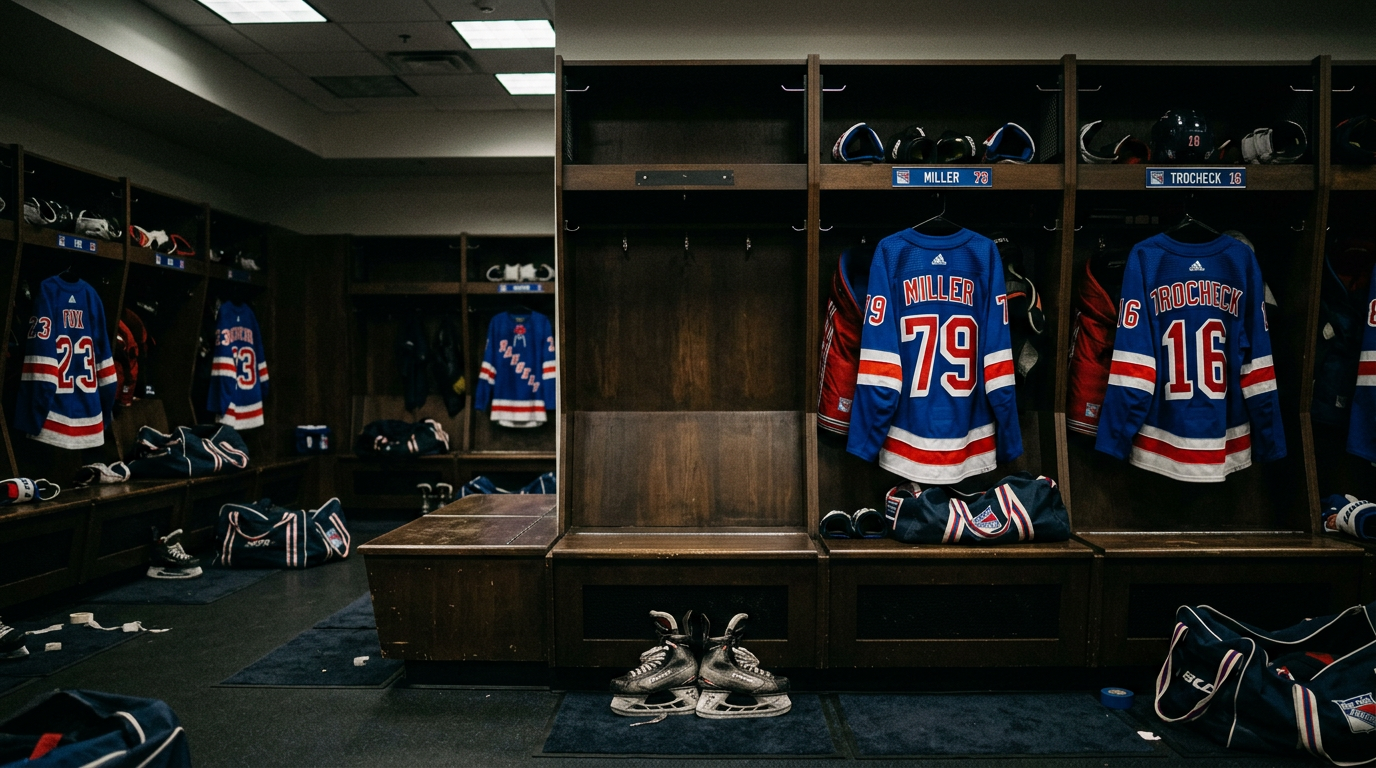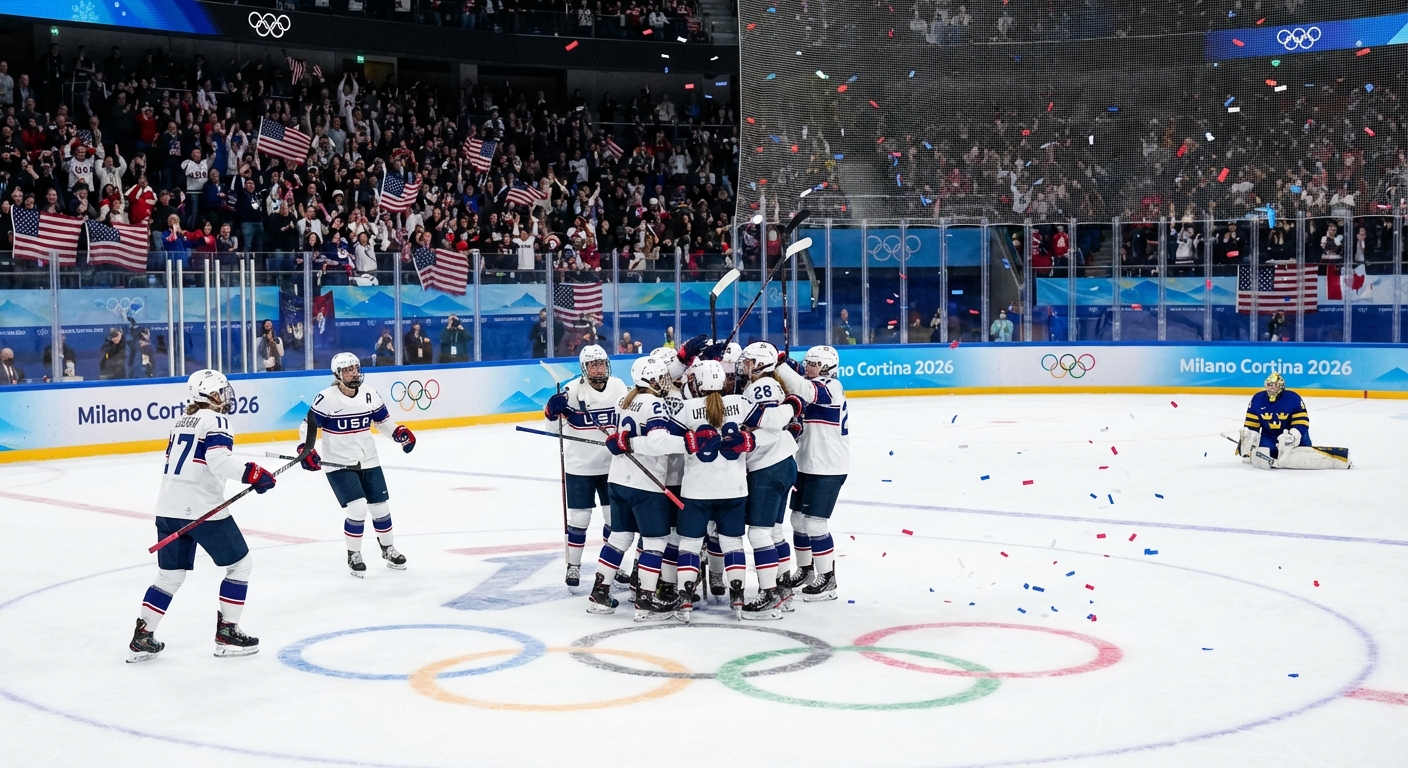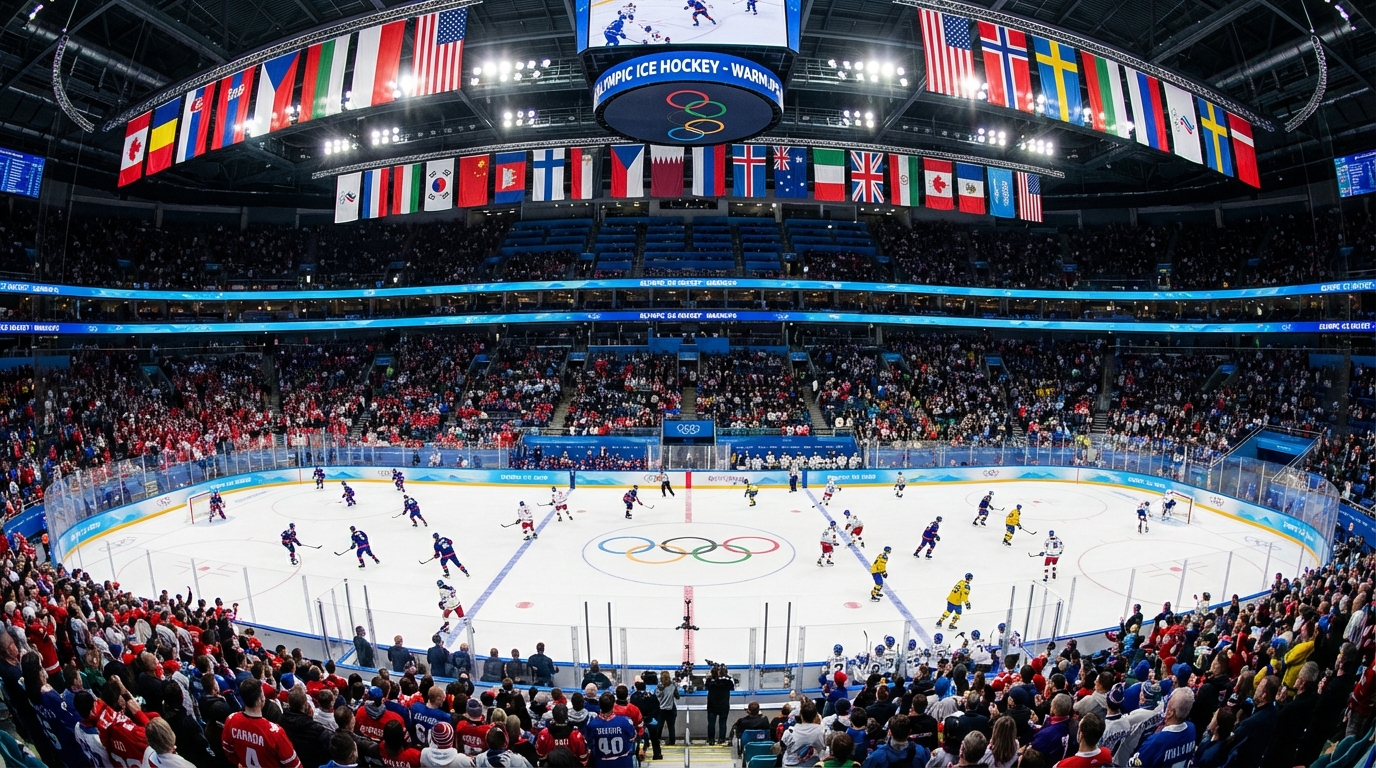
The wait is finally over. After missing the 2018 and 2022 Olympic Games due to disagreements between the NHL and the International Olympic Committee, the world’s best hockey players will return to the Olympic stage in Milano Cortina next month. The rosters are being announced, the storylines are crystallizing, and anticipation is building for what promises to be the most talented Olympic hockey tournament in history. Connor McDavid will wear the maple leaf. Auston Matthews will represent the stars and stripes. The Swedish superstars, the Finnish finesse players, the Russian power forwards, and the Swiss defensive masters will all converge on Italy for two weeks of hockey that will captivate the sporting world. Olympic hockey is back, and the NHL’s participation transforms it from a curiosity into a must-watch event.
That eight-year absence left a void that casual fans might not have noticed but that hockey purists felt acutely. Pyeongchang featured minor leaguers and European professionals filling roster spots that should have belonged to Sidney Crosby and Alex Ovechkin. The gold medal game drew respectable television ratings, but the quality of play couldn’t compare to what NHL participation enables. Beijing followed the same pattern, with COVID-related concerns providing an additional excuse for non-participation. Now, with a new agreement in place through at least 2030, the Olympics can finally showcase hockey at its highest level again.
Team Canada: Embarrassment of Riches
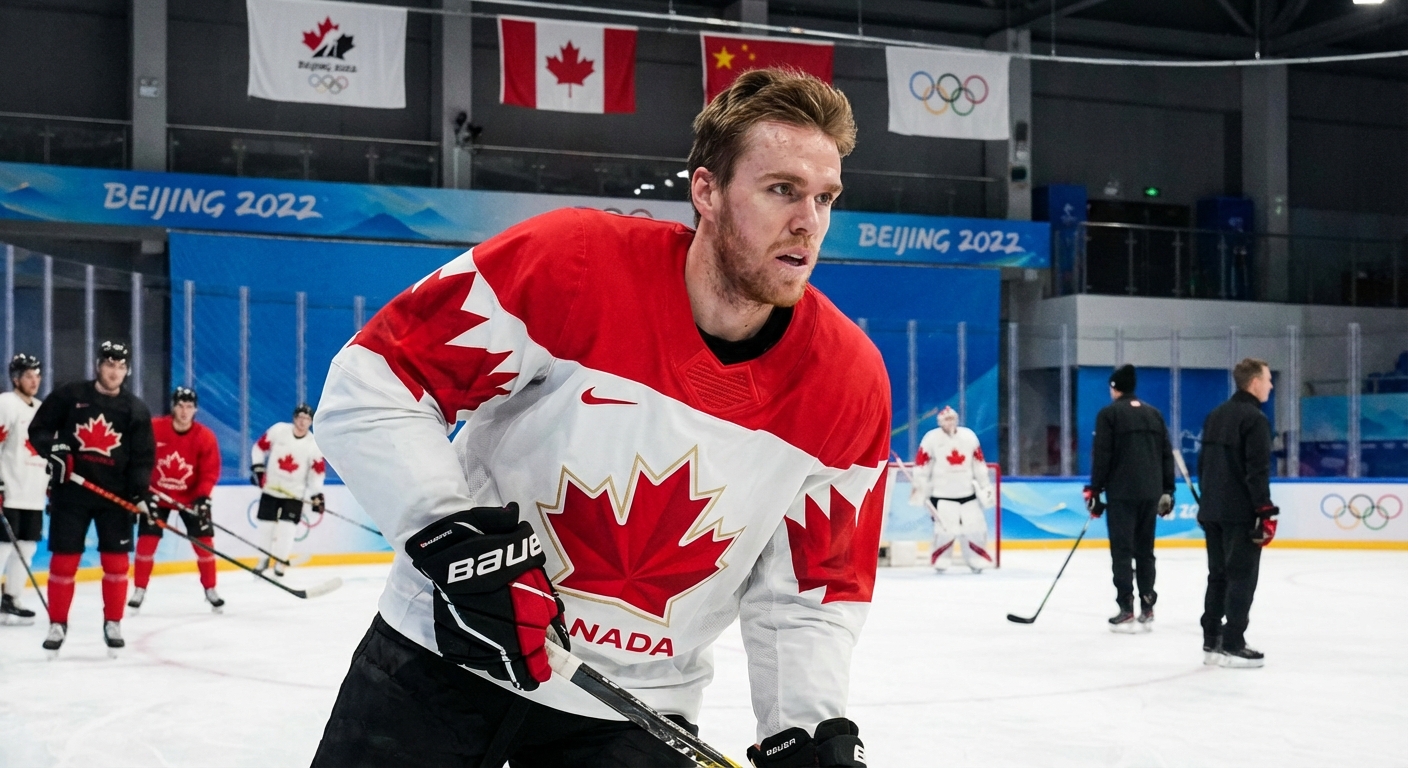
The challenge facing Hockey Canada isn’t building a competitive roster; it’s deciding which world-class players to leave home. The preliminary roster includes Connor McDavid, widely considered the best player in the world, Nathan MacKinnon, who leads the NHL in goals and points this season according to NHL.com, Sidney Crosby, whose Olympic experience includes two gold medals, and enough supporting talent to stock multiple contending teams. The defensive pairings could feature Cale Makar, arguably the best two-way defenseman since Nicklas Lidstrom per Hockey Reference career comparisons, alongside veterans like Shea Theodore and young stars emerging from a seemingly endless pipeline.
McDavid’s Olympic debut has been anticipated for nearly a decade. He was too young for Sochi in 2014 and was denied the opportunity in 2018 and 2022 through circumstances beyond his control. Now, at 29, he enters the tournament at the peak of his powers, leading the Oilers in another Hart Trophy-caliber season while carrying the hopes of a nation that expects nothing less than gold. His speed, vision, and playmaking ability will be showcased on the larger international ice surface, where the extra space should amplify rather than diminish his dominance.
The goaltending situation presents Canada’s most interesting decision. Jordan Binnington has been excellent for St. Louis this season, but the international stage often favors experience, which could push Stuart Skinner or even the veteran Marc-Andre Fleury into consideration. Canada has won Olympic gold with backup goalies before, most notably Carey Price’s breakthrough performance in 2014, and the selection committee may prioritize tournament-ready composure over regular-season statistics. Whoever gets the nod will face the pressure of defending Canadian hockey honor in a country where anything less than gold constitutes failure.
Team USA: The Matthews Generation Arrives
American hockey has never possessed more talent at the NHL level, and the Olympic roster reflects that unprecedented depth. Auston Matthews, who has established himself as the best American-born player in NHL history, leads a forward group that includes Jack Eichel, Matthew Tkachuk, and a supporting cast that would contend for Stanley Cup honors if assembled as an NHL franchise. The days of Team USA scrapping for bronze while Canada and Russia battled for gold appear to be ending, replaced by a new era where American hockey demands respect rather than requests it.
Matthews’ decision to commit to Team USA despite being raised in Arizona and lacking the traditional hockey background of his peers speaks to his embrace of American hockey’s evolution. He grew up idolizing Pavel Datsyuk and studying European players more than North American ones, developing a style that blends skill with physicality in ways that previous generations of American players rarely achieved. His 50-goal campaigns, three in five full seasons per Natural Stat Trick, have become routine rather than exceptional, and his playoff performances have silenced critics who questioned whether his regular-season dominance would translate to high-stakes hockey.
The American blue line features a mix of offensive dynamos and defensive stalwarts. Adam Fox brings Norris Trophy credentials from his work with the Rangers, while Charlie McAvoy provides the physical presence that international tournaments often require. The depth extends further than any previous American Olympic roster, with legitimate NHL regulars potentially being left off the final 25-man group. This represents a sea change from even a decade ago, when American hockey struggled to fill roster spots with players capable of competing against Canadian and Russian depth.
The Dark Horses and Traditional Powers
Sweden’s roster begins with William Nylander, who was named to the team after becoming just the seventh Swedish player in NHL history to record 50 career game-winning goals per Hockey Reference. The Swedes have always prioritized skill and creativity over physical play, and their current generation of NHL talent includes enough offense to outscore anyone while their defensive systems remain among the world’s most sophisticated. Sweden has won gold just once since NHL participation began in 1998 per IIHF records, a drought they desperately want to end on Italian ice.
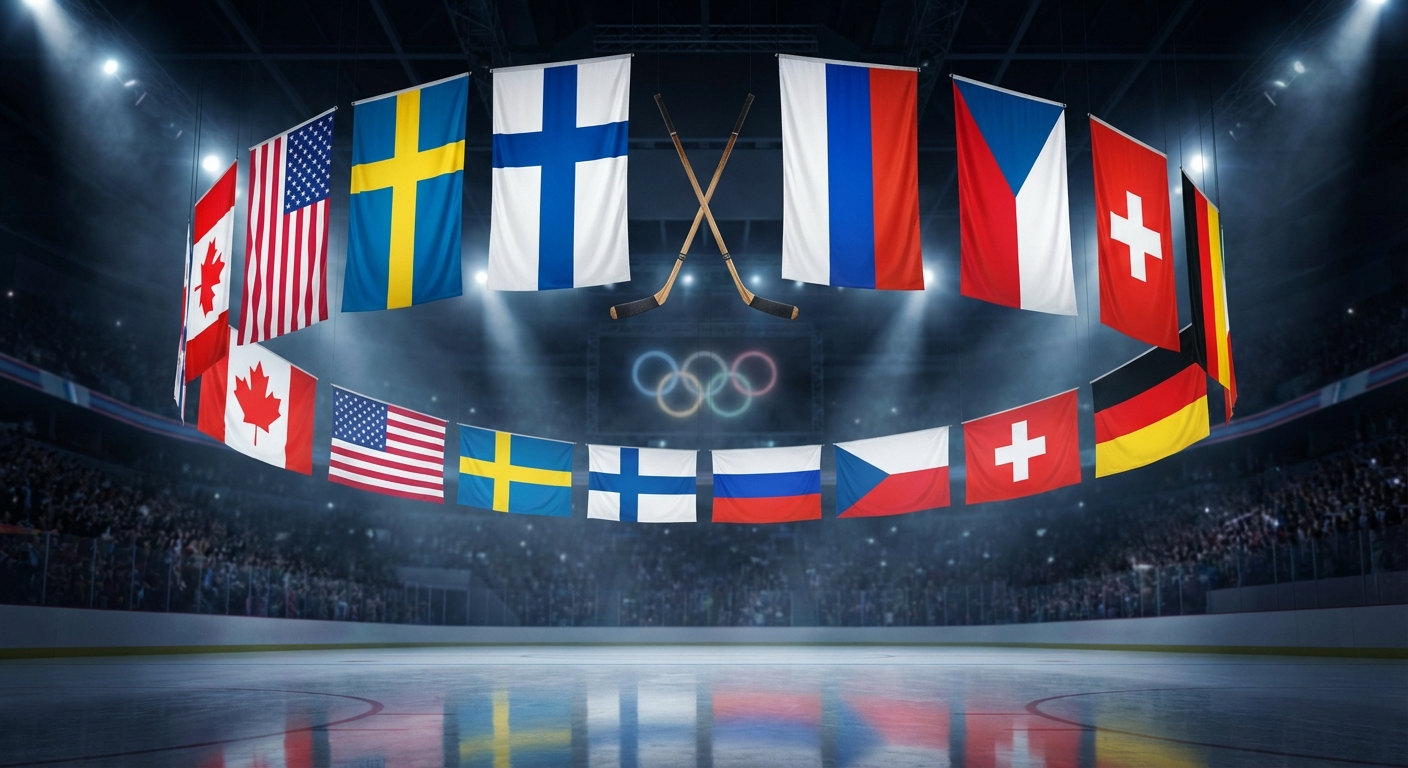
Finland enters as defending Olympic champions from 2022, though that victory came against a diluted field that lacked NHL participation. The Finns will need to prove their gold was more than a product of circumstance, and they possess the roster to do so. Their goaltending tradition continues to produce NHL starters, and their systematic approach to the game creates problems for more talented opponents who underestimate Finnish resolve. Beating Finland requires patience and precision, qualities that not all star-studded rosters possess.
Switzerland deserves mention as a potential spoiler. Roman Josi and Nico Hischier lead a roster that lacks the star power of traditional contenders but compensates with organization and effort. The Swiss have shown in previous tournaments that they can beat anyone on a given night, and their style of play translates well to international ice. They won’t win gold, but they could easily knock a favorite out of medal contention with an upset in the elimination rounds.
The Russian Question
The situation surrounding Russian hockey players and the Olympics remains complicated. International sanctions have created uncertainty about whether Russian-born players, even those competing for NHL teams, will be eligible to represent their country. As TSN’s Pierre LeBrun has reported, Russian players may compete under a neutral banner similar to the “Olympic Athletes from Russia” designation used in previous Games, though the political situation continues to evolve. Names like Nikita Kucherov, Andrei Vasilevskiy, and Kirill Kaprizov could be missing from the tournament entirely, or they could compete without the Russian flag and anthem accompanying their victories.
This uncertainty creates both competitive and emotional complications. Russian hockey has produced some of the sport’s most talented players, and their absence would diminish the tournament’s quality while also depriving those players of representing their homeland on the world’s biggest stage. The NHL has largely stayed out of the political discussions, focusing instead on the logistics of releasing players and ensuring their safe return for the resumption of the regular season. Whatever happens with Russian participation, the tournament will proceed, though it may feel incomplete to those who remember the days when USA-Russia and Canada-Russia matchups defined Olympic hockey drama.
The Stakes Beyond Medals
The Olympics matter to hockey for reasons that extend beyond the medal count. Exposure to casual sports fans who might never watch an NHL game creates growth opportunities that regular season action cannot replicate. Young viewers seeing McDavid and Matthews compete on the same stage as track stars and figure skaters absorb the message that hockey belongs among the world’s premier sports. Television ratings for Olympic hockey traditionally exceed NHL playoff ratings, reaching audiences in countries where professional hockey barely exists.

The NHL benefits from Olympic participation through enhanced global visibility and the goodwill generated by supporting the tournament. Relationships with international federations, broadcast partners, and sponsors all improve when the league allows its players to compete. The cost comes in the form of a two-week break in the regular season and the injury risk that accompanies high-stakes international competition, but as ESPN’s Greg Wyshynski has noted, most league executives have concluded that the benefits outweigh the drawbacks. Commissioner Gary Bettman’s public statements have emphasized the league’s commitment to Olympic participation through 2030, providing stability that players and fans have long desired.
For the players themselves, Olympic competition represents something that even Stanley Cup championships cannot provide. Playing for country rather than franchise taps into emotions that professional sports often suppress. As Sportsnet’s Elliotte Friedman has observed, veterans like Crosby, who has experienced Olympic glory twice already, speak about those tournaments with reverence that sometimes exceeds their descriptions of Cup victories. The younger generation, denied Olympic opportunities through their formative years, approaches Milano with the hunger of players who have been waiting their entire careers for this chance.
How This Plays Out
The tournament begins February 8 and runs through February 22, with the gold medal game scheduled for the final Saturday of the Games. The NHL will pause its regular season from February 6 through February 24, giving players adequate time to travel, compete, and recover before resuming professional obligations.
Canada’s forward depth makes them the clear favorite, but Olympic hockey history suggests the gold medal game rarely features the two most talented rosters. Short tournaments reward hot goaltenders and disciplined systems over raw star power, which is why Finland has medaled in four of the last five NHL-participation Olympics despite never fielding the most skilled roster on paper. The team most likely to upset Canada is not the United States but Finland or Sweden, whose international experience and structured defensive play are better suited to single-elimination hockey than a Team USA roster still learning to play together.
Watch for the quarterfinal round as the tournament’s true inflection point. In 2014 at Sochi, Canada’s tightest game was not the gold medal final but its quarterfinal against Latvia, where a disciplined underdog nearly created the biggest upset in Olympic hockey history. Milano’s quarterfinals will likely produce a similar shock, and Switzerland or Germany could be the team that delivers it. The larger Olympic ice surface neutralizes North American forechecking advantages and rewards the puck-possession systems that European federations have refined for decades.
The deeper story of this tournament will be what it means for the generation that follows. Players like Connor Bedard, who will watch from home as a 20-year-old left off Canada’s roster, will use Milano as motivation for the 2030 Games. The NHL’s multi-cycle commitment means this is not a one-off showcase but the beginning of a new era where Olympic hockey and the NHL coexist as pillars of the sport. The country that wins gold in Milano earns bragging rights, but the sport itself wins something more lasting: proof that hockey’s best tournament is the one where nations, not franchises, compete for glory.
Sources
- Complete Men’s Hockey Rosters for 2026 Winter Olympics - NHL.com
- Olympic Men’s Hockey Central: Schedule, Rosters, How to Watch Milano Cortina Games - ESPN
- Grading 2026 Olympic Hockey Rosters, Plus Snubs and Surprises - ESPN
- IIHF Men’s Olympic Rosters for Milano Cortina 2026 Announced - IIHF
- Men’s Ice Hockey Tournament at Milano Cortina 2026: Schedule and How to Watch - Olympics.com