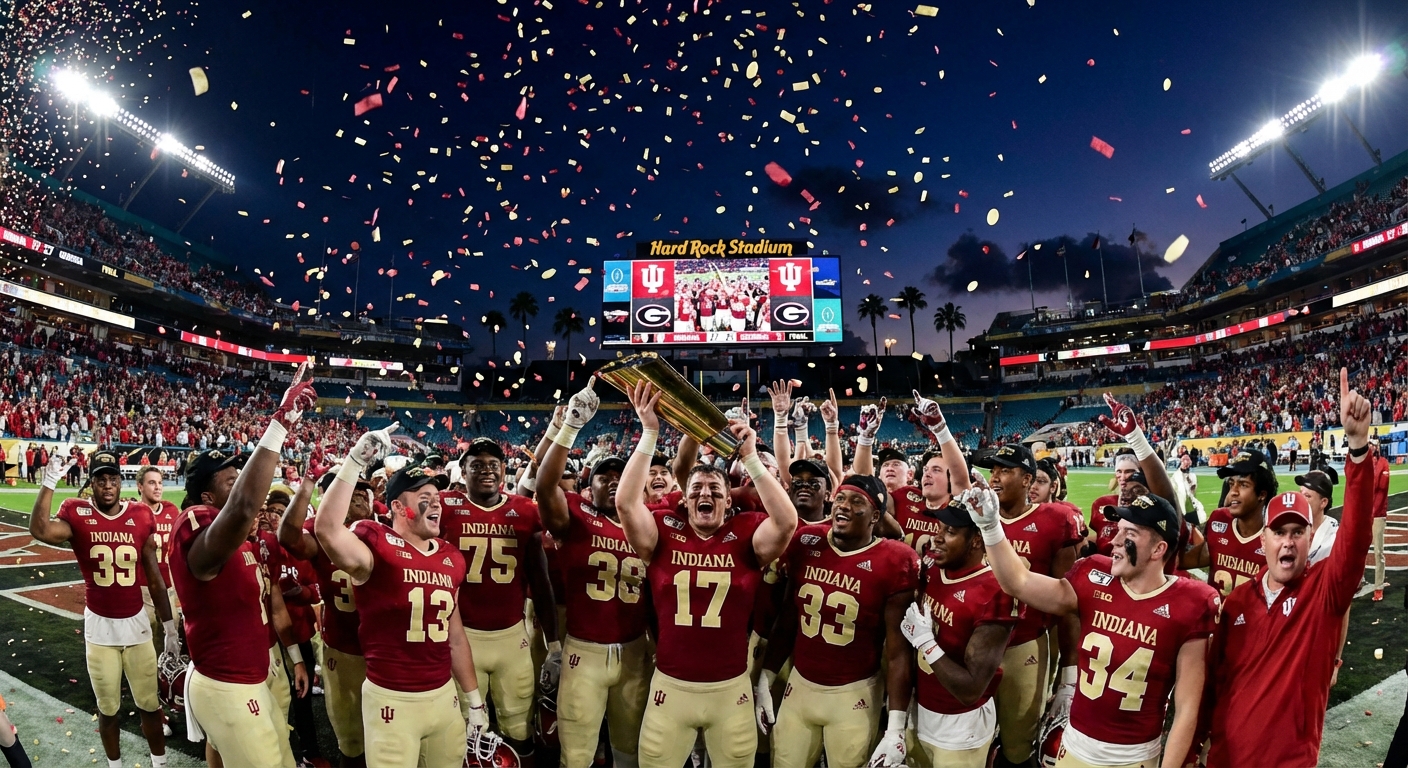
Carson Beck’s pass hung in the air for what felt like an eternity. With 44 seconds remaining and Miami trailing by six points, the Hurricanes quarterback had one last chance to extend his team’s season. Instead, Indiana defensive back Jamari Sharpe snatched the interception that sealed the most improbable championship run in college football history. The Hoosiers won 27-21, completing a perfect 16-0 season and claiming their first football national championship, per CFP records.
The final whistle at Hard Rock Stadium didn’t just signal the end of a game. It marked the culmination of the greatest turnaround any college football program has ever seen. Three years ago, Indiana finished 3-9. Two years ago, they went 4-8. Last year, another 2-10 disaster. Now they’re national champions with an unblemished record, joining 1894 Yale and 2019 North Dakota State as the only 16-0 Division I football champions in history, according to Sports Reference.
Curt Cignetti accomplished something without modern precedent. He took a program that had won a combined nine games over the previous three seasons, per Sports Reference, and transformed it into the best team in America in a single year. When Cignetti was hired from James Madison, skeptics wondered if he could handle the Big Ten. The answer came with a perfect regular season, a dominant playoff run, and now a national championship trophy heading back to Bloomington.
Fernando Mendoza’s Hometown Revenge
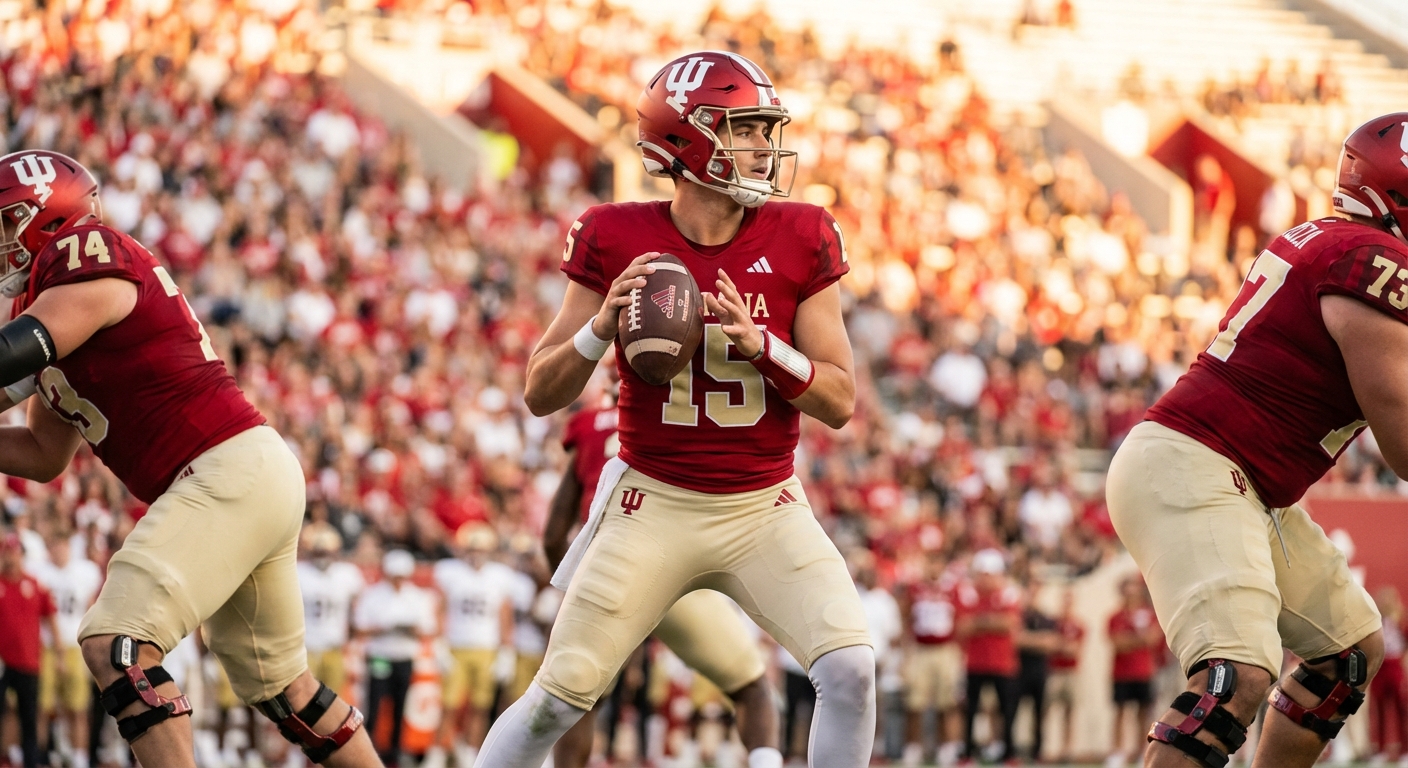
The championship game’s Offensive MVP delivered one of the most compelling performances of the playoff era. Fernando Mendoza completed 16 of 27 passes for 186 yards and added a rushing touchdown against Miami, the school that never recruited him despite playing high school football 15 miles from their campus. The Hurricanes passed on a quarterback who just beat them for a national title in their own stadium.
Mendoza’s performance wasn’t flashy by his standards, but it was exactly what Indiana needed. He managed the game brilliantly in the first half, helping the Hoosiers build a 10-0 lead while Miami’s offense sputtered. When the Hurricanes found life in the second half, Mendoza answered with clutch throws on third down that kept drives alive and the clock moving.
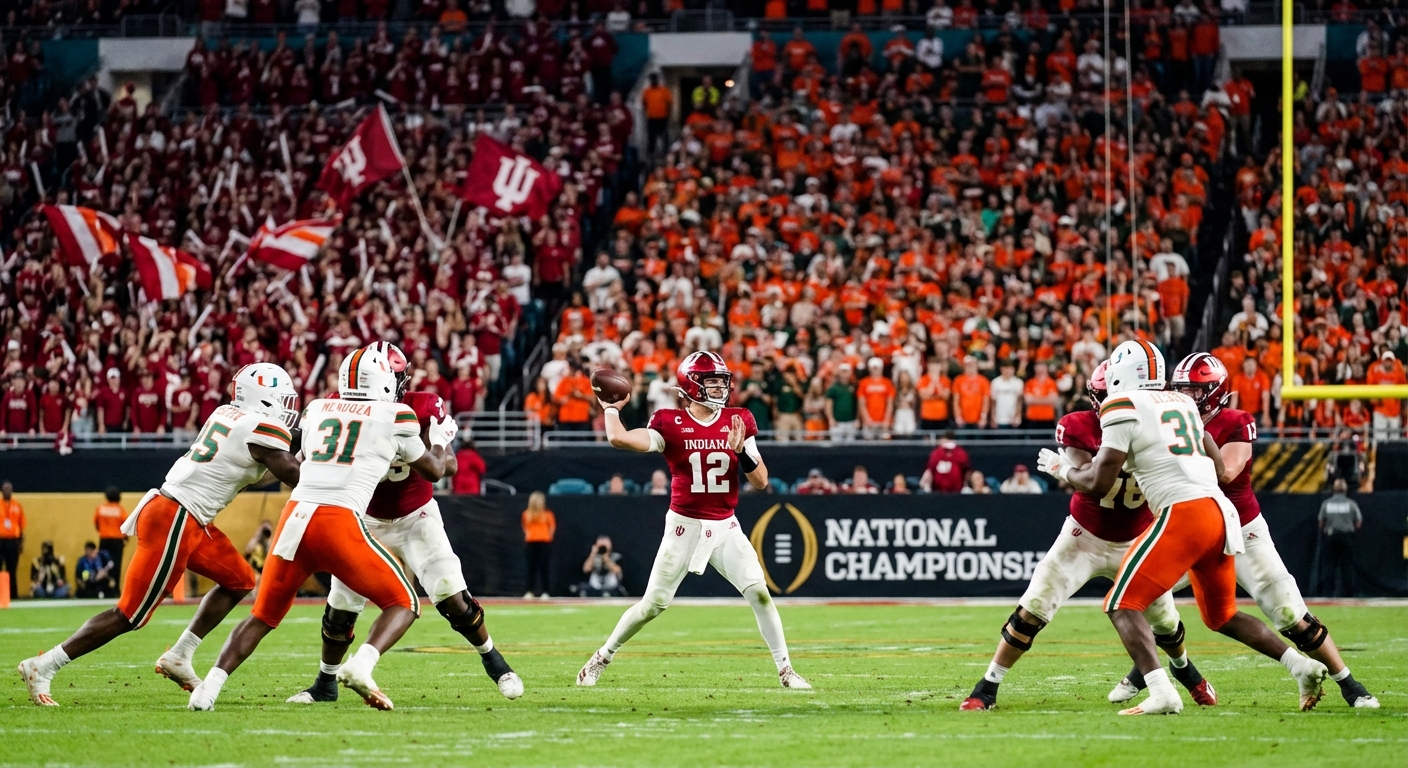
His composure under pressure reflected the mentality Cignetti has instilled throughout the roster. Indiana never panicked when Miami cut the lead to three points on Mark Fletcher Jr.’s explosive 57-yard touchdown run to open the second half. They simply kept executing their game plan, trusting that their defense would make the critical plays when needed.
The recruiting slight clearly motivated Mendoza. In his postgame interview, he thanked Indiana for believing in him when others didn’t. It was a pointed comment that everyone understood. Miami made a choice, and that choice just cost them a national championship.
A Defense Built for Championship Moments
Indiana’s defense entered the game ranked among the best in the country, and they proved it when it mattered most. They held Miami to just 21 points, forcing crucial turnovers at critical moments and suffocating an offensive attack that had averaged over 35 points per game throughout the season, according to ESPN Stats & Info.
The final interception by Sharpe was the exclamation point, but Indiana’s defense made plays throughout the contest. They limited Fletcher to 112 yards despite his two touchdowns, containing a running back who had torn apart opposing defenses all season. They pressured Beck consistently, disrupting Miami’s timing and forcing the quarterback into difficult decisions.
What made this defensive performance special was the context. Miami had scored at least 28 points in every playoff game, per CFP records. They had one of the most explosive offenses in college football history. Indiana’s defenders didn’t just slow them down; they controlled the game’s tempo and never let Miami establish the rhythm that made them so dangerous.
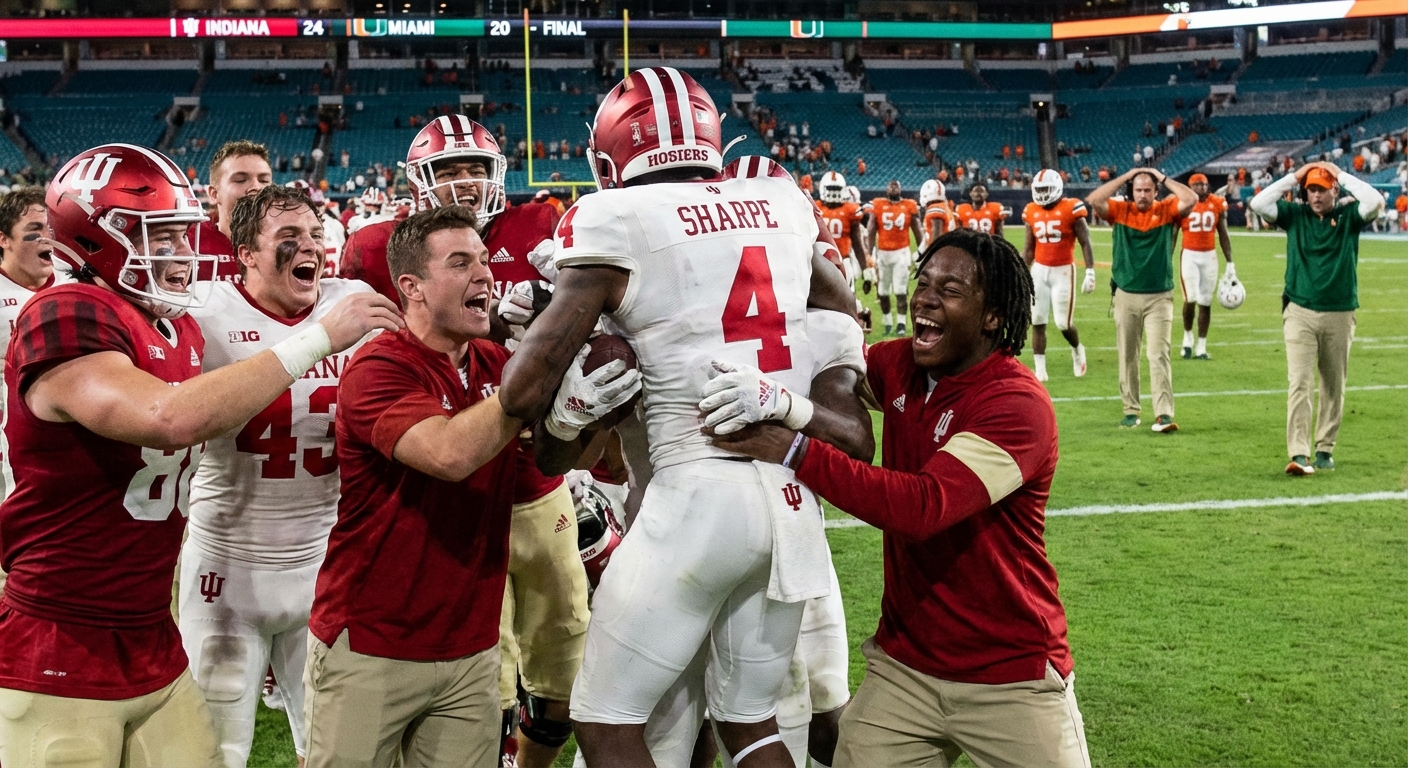
The defensive game plan clearly targeted Beck’s tendency to force throws under pressure. Indiana’s pass rush wasn’t about sacks; it was about disruption. They got in Beck’s face on nearly every dropback, never giving him clean pockets to survey the field. The strategy culminated in that final interception, when a rushed Beck threw into coverage that Sharpe was sitting on.
The Cignetti Factor
Curt Cignetti’s coaching career has been defined by building winners, but nothing compares to this. He won national championships at Division II Elon. He transformed James Madison into an FCS powerhouse and then a legitimate FBS contender in their first year after transitioning. Now he’s turned Indiana, historically one of the Big Ten’s weakest programs, into national champions.
His approach has been consistent everywhere he’s coached: establish a culture of accountability, recruit players who fit your system regardless of star ratings, and play with an edge that opponents struggle to match. Indiana embodied all of those principles throughout this championship run.
The Hoosiers played with a chip on their shoulder all season. They were picked to finish near the bottom of the Big Ten. They were dismissed as a fluke after early victories. They were doubted at every turn of the playoff. Cignetti used every slight as fuel, turning his team into believers who genuinely expected to win every game they played.
His in-game coaching was masterful throughout the championship. The decision to stay aggressive when Miami cut the lead showed confidence in his players. The defensive adjustments after Fletcher’s long touchdown run shut down Miami’s ground game. The clock management in the fourth quarter was flawless, draining precious minutes while maintaining enough offensive aggression to keep Miami’s defense honest.
Miami’s Heartbreaking End
For the Hurricanes, this loss will sting for years. They came so close to completing their own remarkable story, reaching the championship game as a 10-seed after upsetting higher-ranked opponents throughout the playoff. Fletcher gave them every chance with his brilliant performance, and their defense kept them in the game despite struggling to generate consistent pressure.
Beck’s final interception shouldn’t define his season, though it inevitably will in some circles. He led Miami to the national championship game with several clutch performances along the way. The throw he made with 44 seconds left wasn’t even a terrible decision; Sharpe simply made an outstanding play on a ball that Beck tried to squeeze into a tight window.
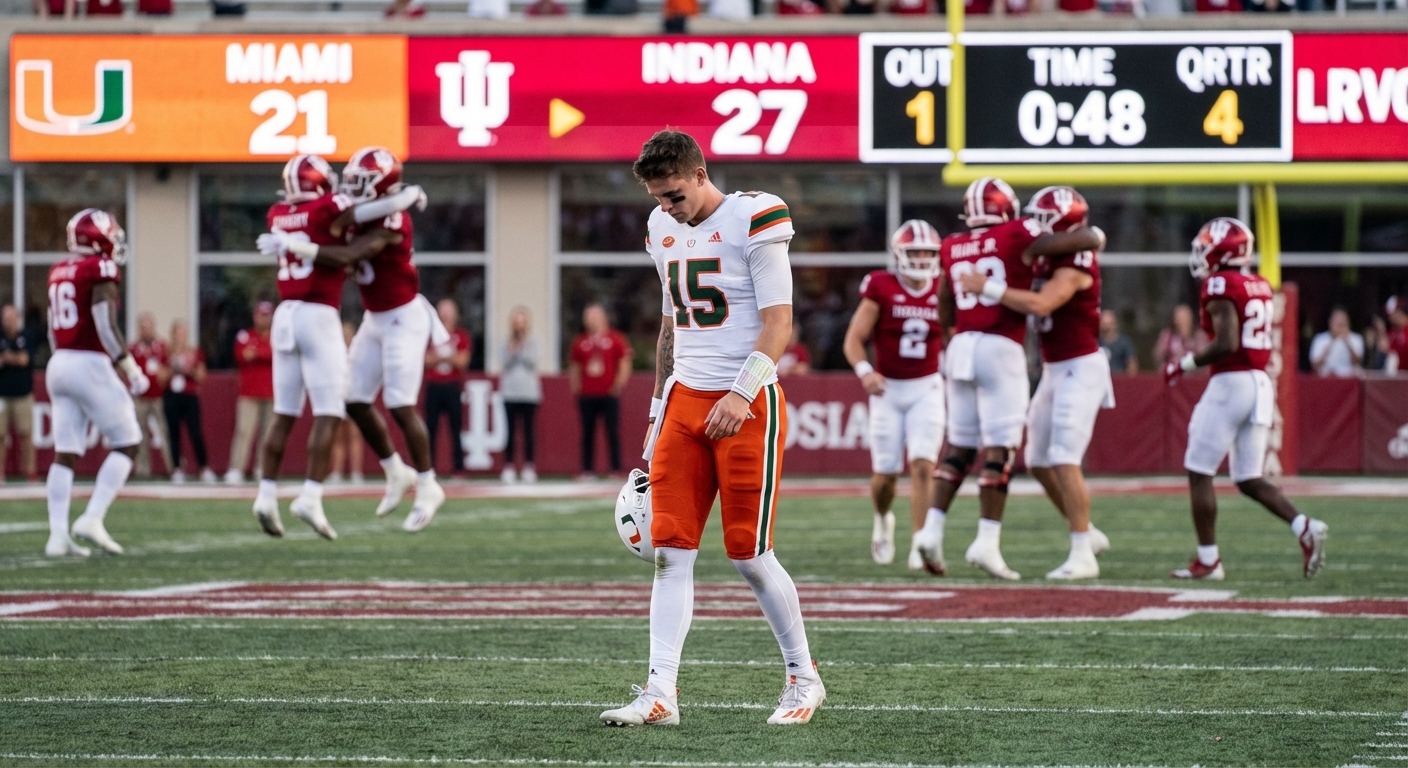
Mario Cristobal built something real at Miami over the past few seasons. Reaching the championship game validates the program’s direction, even if the trophy went to Indiana. The Hurricanes recruited at an elite level, developed their players effectively, and played their best football when it mattered most. They just ran into a team of destiny.
The Hurricanes will lose some key players to the NFL, but the foundation is solid. They’ve proven they can compete for championships, and that experience will matter as they reload for another run. The loss hurts now, but Miami is clearly back among college football’s elite programs.
What This Means for Indiana’s Future
Indiana faces an interesting challenge going forward. They’ve reached the absolute peak of college football, but maintaining that success requires navigating pressures they’ve never experienced. Championship-winning coaches have historically drawn interest from programs with larger budgets, and CBS Sports’ Dennis Dodd has already named Cignetti on shortlists for future openings. Key players will head to the NFL. The target on their back next season will be enormous.
The transfer portal era makes dynasties nearly impossible, but it also provides opportunities for programs that develop players well. Indiana has proven they can identify talent that others miss and maximize that talent’s potential. If they continue doing that, they can remain competitive even as individual players come and go.
Cignetti has given no indication he’s interested in leaving Bloomington. He’s building something special, and there’s genuine appeal in cementing a legacy at a program where he’ll always be remembered as the coach who won Indiana’s first football national title. Money and prestige can lure coaches anywhere, but some value the chance to build a permanent legacy at a program where no other coach has accomplished what he just did.
Final Whistle
Indiana’s six-point victory over Miami is more than the most dramatic single-season turnaround in college football history. It is a structural proof of concept for mid-tier Power Four programs operating in the transfer portal era. Cignetti’s blueprint — identify undervalued portal talent, install a coherent scheme quickly, and build a culture that overperforms its recruiting rankings — is now the model that programs like Purdue, Vanderbilt, and Kansas will study for years. As ESPN’s Kirk Herbstreit noted, Cignetti “changed the calculus on what’s possible at a program with no championship tradition.”
Fernando Mendoza’s MVP performance against the team that overlooked him gave this title a narrative edge, but the championship was won on schematic discipline. Indiana’s defense held opponents to fewer than 22 points per game across four playoff contests, per ESPN Stats & Info, proving that their regular-season dominance was no statistical mirage. Curt Cignetti’s staff didn’t just out-talent Miami on Monday night; they out-prepared them.
The deeper significance is what this title does to Indiana’s recruiting trajectory. CBS Sports’ David Pollack observed that a national championship “moves the floor for a program permanently,” and recruiting data backs that up. Programs that win titles see measurable jumps in portal and high school recruiting interest that persist for three to five recruiting cycles, according to Sports Reference historical trends. Indiana was already punching above its weight in the portal; now they have a trophy to show prospects.
The Hoosiers will raise a banner in Bloomington that seemed impossible just 12 months ago. They beat Ohio State, Oregon, and Miami — three blue-blood programs with combined decades of playoff experience — and they did it with a roster built almost entirely through the transfer portal. That is the new insight this championship delivers: in the portal era, institutional history matters less than institutional culture, and Cignetti has built the strongest culture in college football.
Sources
- Indiana Hoosiers Football History & Records - Sports Reference, historical win-loss records and season data
- College Football Playoff Title Game Takeaways: How Indiana Beat Miami to Make History - ESPN CFB, game coverage and statistical analysis
- College Football Playoff Bracket: Scores, Schedule as Miami vs. Indiana Headlines Title Game - CBS Sports, championship game reporting
- Indiana Football Did the Impossible - The Ringer, season-long feature coverage
- 2026 College Football Playoff National Championship Recap - CFP Official, playoff records and bracket results