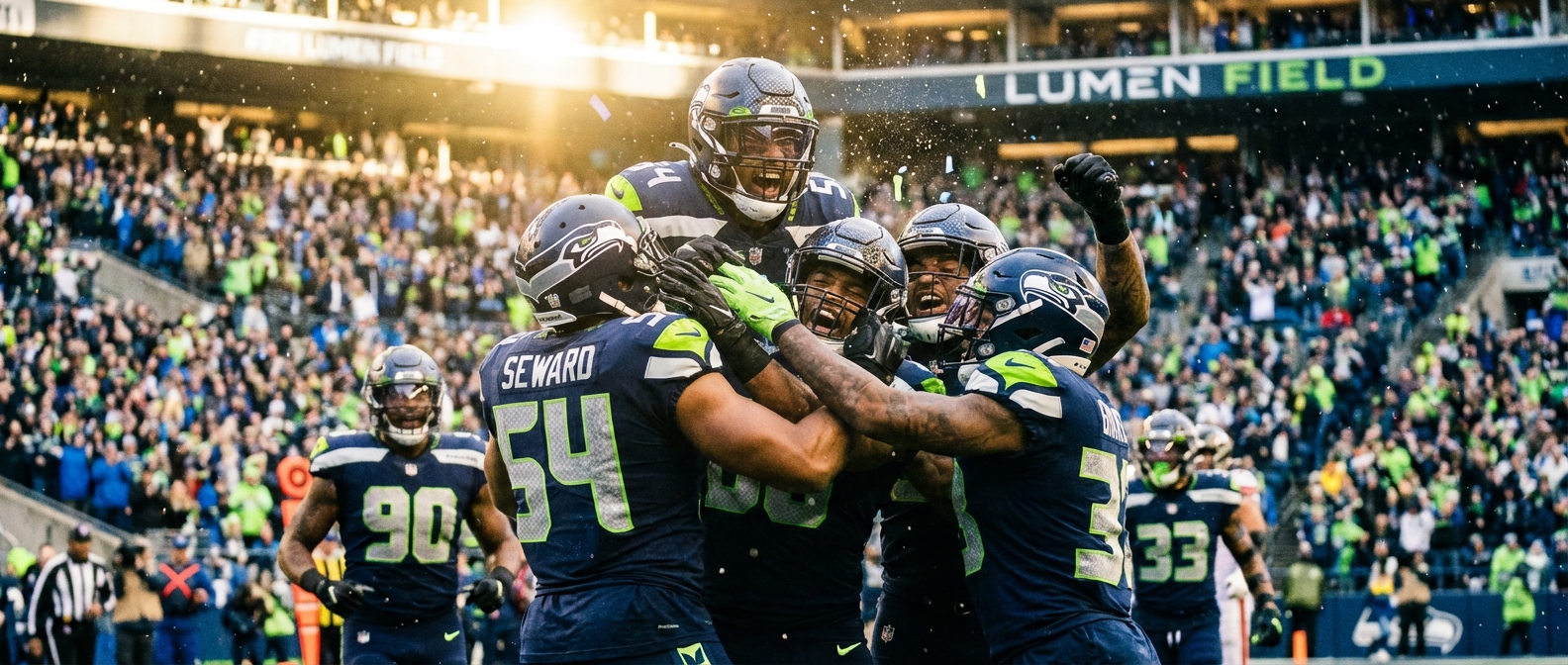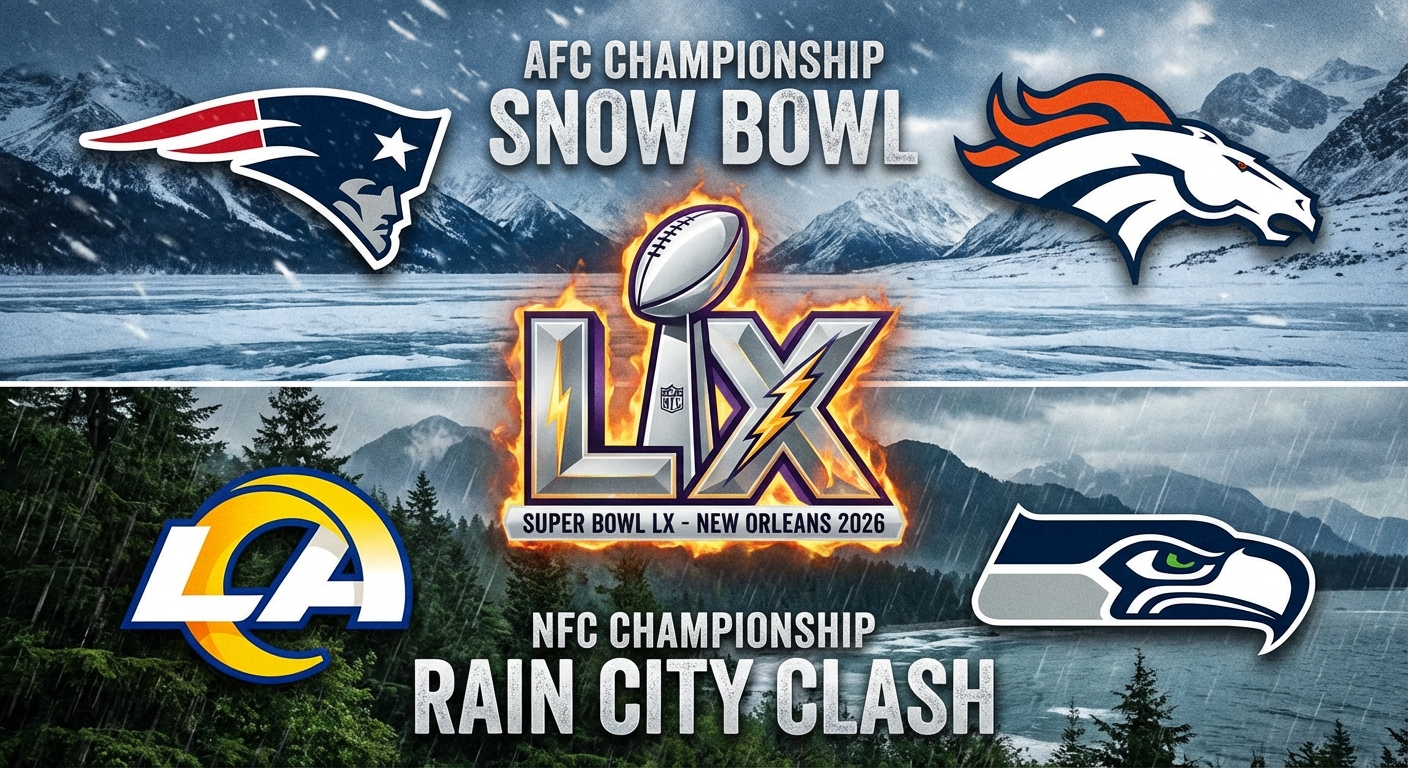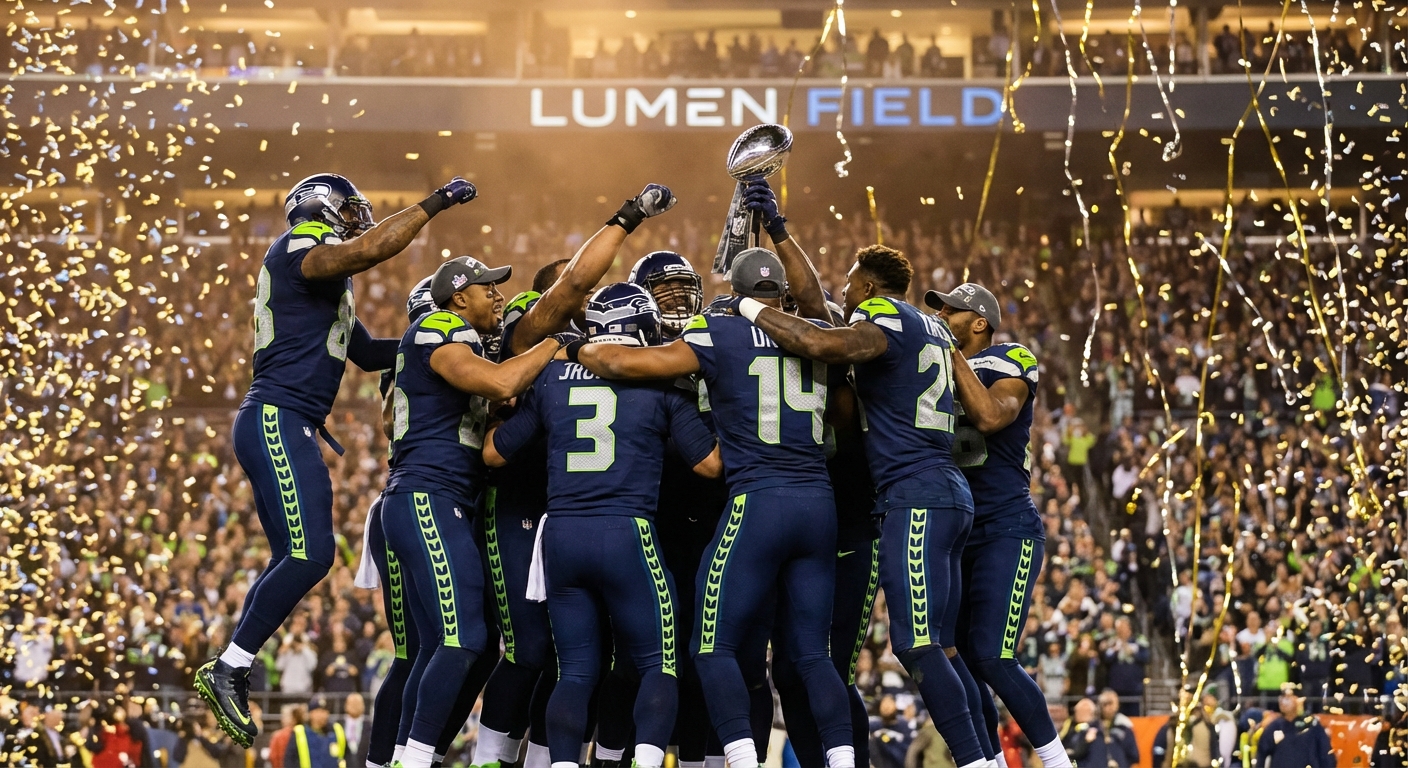
Eleven years of waiting ended not with a dramatic goal-line play, but with a systematic demolition. The Seattle Seahawks crushed the New England Patriots 29-13 in Super Bowl LX at Levi’s Stadium in Santa Clara, delivering a defensive performance so thorough, so suffocating, that the final score almost undersells how completely they controlled this game from the opening drive to the final whistle. Six sacks. Two interceptions. A defensive touchdown that sealed the outcome in the third quarter. And a stadium full of Seahawks fans who could finally stop relitigating Malcolm Butler’s interception from Super Bowl XLIX.
This was not a game. It was a clinic. And the architect of it all, 38-year-old head coach Mike Macdonald, is now the third-youngest head coach in NFL history to win a Super Bowl.
The Defense That Defined a Championship
The Seahawks’ “Dark Side” defense had been the best unit in football all season, and they saved their finest performance for the biggest stage. According to ESPN’s post-game breakdown, Seattle held the Patriots to just 234 total yards, forced three turnovers, and did not allow a single third-down conversion in the first half. Drake Maye, the talented second-year quarterback who had been so poised throughout the Patriots’ playoff run, looked rattled from the opening series and never recovered.
“What Mike Macdonald did to Drake Maye tonight was surgical,” ESPN’s Bill Barnwell wrote in his game recap. “He showed blitz, dropped into coverage. He showed coverage, sent pressure. Maye never knew what was coming, and by the time he figured it out, he was on his back.”
The numbers tell a story of defensive dominance that ranks among the best Super Bowl performances in modern history. Per NFL Next Gen Stats, Macdonald blitzed Maye 33.3% of the time in the first half, well above Seattle’s regular-season rate of 20.7%, before dialing it back to just 8% after halftime. The change in approach was deliberate: the early aggression forced Maye into quick, uncomfortable throws, and by the second half, the damage was done. Maye was seeing ghosts of his own, hesitating in the pocket and rushing decisions against a four-man rush that was getting home consistently.
Devon Witherspoon was the defensive MVP in everything but the official award. The All-Pro cornerback blanketed every receiver assigned to him, broke up three passes, and created the game-sealing defensive touchdown in the third quarter with a hit that forced a fumble at the Patriots’ 15-yard line. Julian Love scooped it and scored, putting Seattle up 26-6 and effectively ending any Patriots hope of a comeback.
Kenneth Walker III: The Quiet MVP
While the defense earned the headlines, the official Super Bowl MVP award went to running back Kenneth Walker III, who accumulated over 160 scrimmage yards and served as the engine of Seattle’s ball-control offense. Walker carried the ball 28 times for 132 rushing yards and caught 4 passes for an additional 31 yards, consistently moving the chains and keeping the Seahawks’ defense off the field with sustained drives.
Walker’s performance was a masterclass in physical, downhill running. According to Next Gen Stats, he averaged 3.2 yards after contact per carry, and his ability to fall forward, break arm tackles, and convert short-yardage situations kept Seattle’s offense on schedule throughout the game. On a night when Sam Darnold was not asked to do much through the air, Walker was the offensive player who made the game plan work.
“Kenneth Walker ran like a man possessed tonight,” NFL Network’s Michael Irvin said on the postgame broadcast. “Every carry, he was falling forward. Every carry, he was punishing somebody. That’s how you win Super Bowls. You run the football, you play defense, and you don’t turn it over.”
Sam Darnold: Efficient, Poised, Redeemed
Sam Darnold’s final stat line, 19-of-38 passing for 202 yards and a touchdown, will not appear in any quarterback highlight reels. The completion percentage was pedestrian, the yardage modest, and there were several missed throws in the first half that, against a less dominant defense, might have been the difference between a blowout and a close game.
But Darnold did exactly what Seattle needed him to do. He protected the football. He converted third downs when they mattered. He hit the critical throw on the Seahawks’ first touchdown drive, a 23-yard strike to DK Metcalf on third-and-12 that kept the drive alive and led to a field goal on the next play. And he managed the game with the composure of a quarterback who understood that his defense was going to win this game if the offense simply avoided catastrophic mistakes.
“You can say that sentence without sarcasm now: you can win a Super Bowl with Sam Darnold as your quarterback,” CBS Sports wrote in their post-game analysis. The journey from seeing ghosts against these same Patriots in 2019 to holding the Lombardi Trophy against them in 2026 is one of the most remarkable personal redemption arcs in modern NFL history.
Jason Myers and the Record That Won the Game
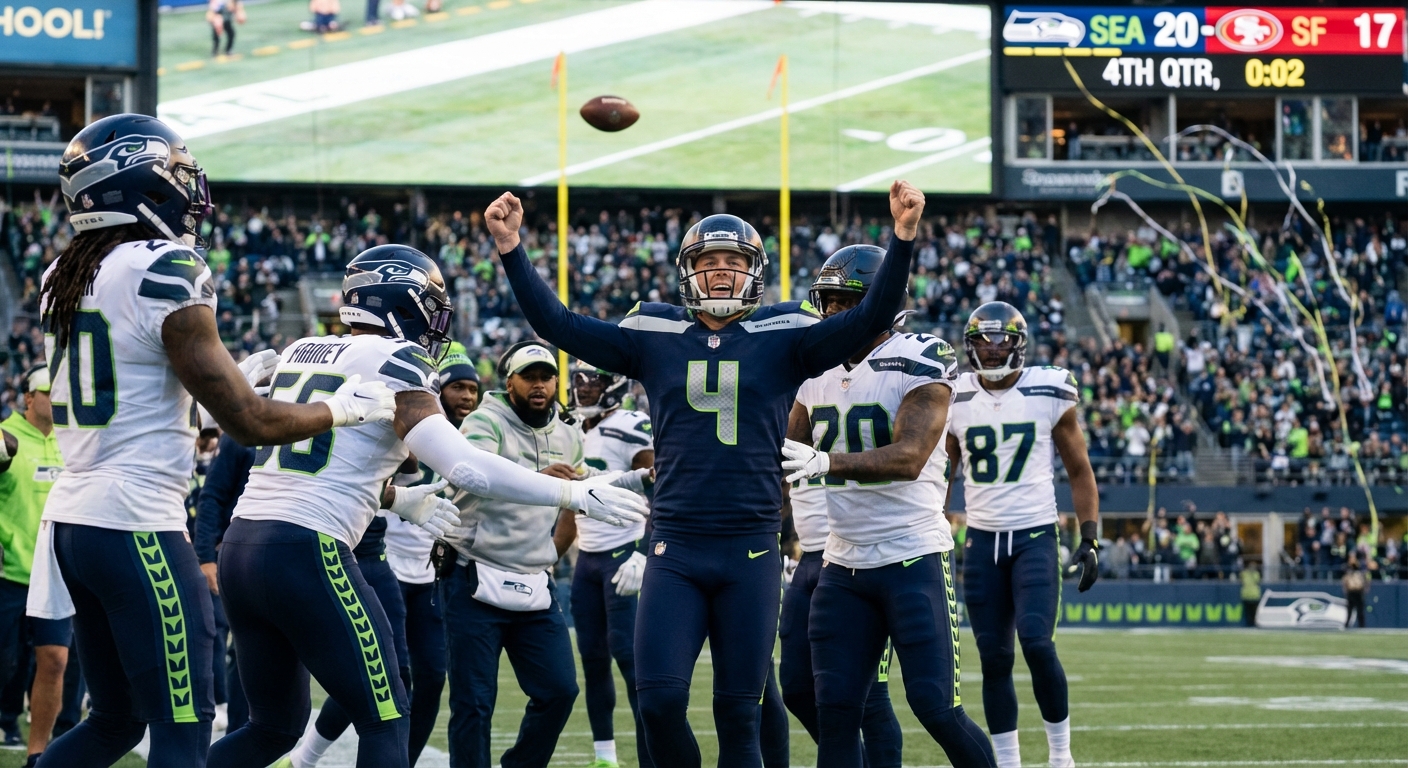
Lost in the defensive dominance was an individual record that proved decisive: kicker Jason Myers connected on five field goals, setting a new Super Bowl record. Myers was perfect from 32, 37, 41, 44, and 48 yards, accounting for 15 of Seattle’s 29 points. In a game where touchdowns were difficult to come by against two excellent defenses, Myers’ leg was the difference between a close game and a comfortable victory.
Myers’ performance validated Seattle’s strategy of playing field position, taking what the defense gave them, and trusting the kicker when drives stalled in opposing territory. It was not glamorous football, but it was championship football, and Myers delivered every time his number was called.
The Revenge Narrative, Fulfilled
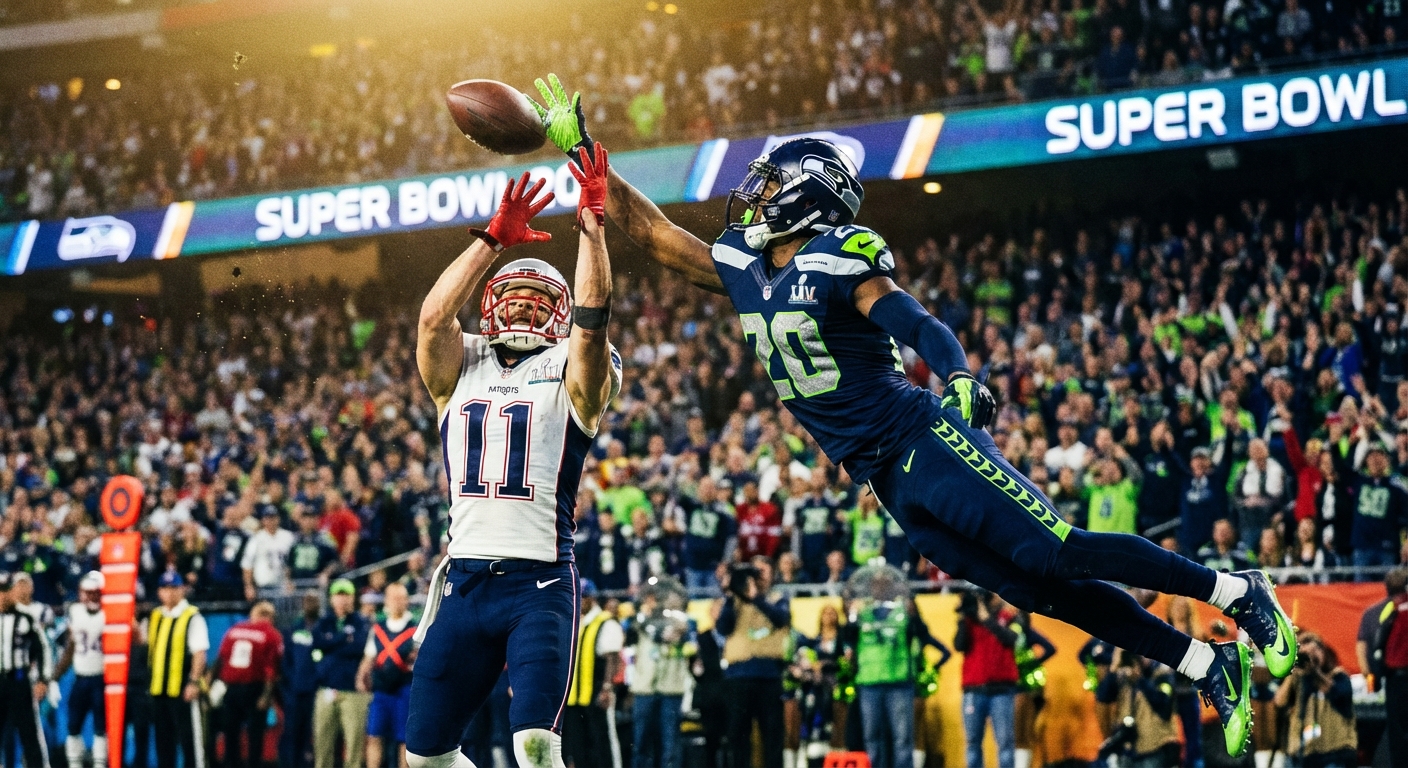
No discussion of this Super Bowl is complete without acknowledging the history. Super Bowl XLIX, played on February 1, 2015, ended with Malcolm Butler’s interception at the goal line, denying the Seahawks a second consecutive championship. That play haunted Seattle for a decade, replayed endlessly, debated furiously, and cited as the defining moment of an era that should have been even greater than it was.
As we previewed before the game, the revenge narrative added emotional weight to a matchup that was already compelling on its football merits. And while the current Seahawks roster shares almost no personnel with the 2014 team, the franchise’s memory is long. Multiple Seahawks players referenced Super Bowl XLIX in their media availability during Super Bowl week, and Macdonald himself acknowledged that the 2015 loss was part of the organizational motivation driving this season’s championship push.
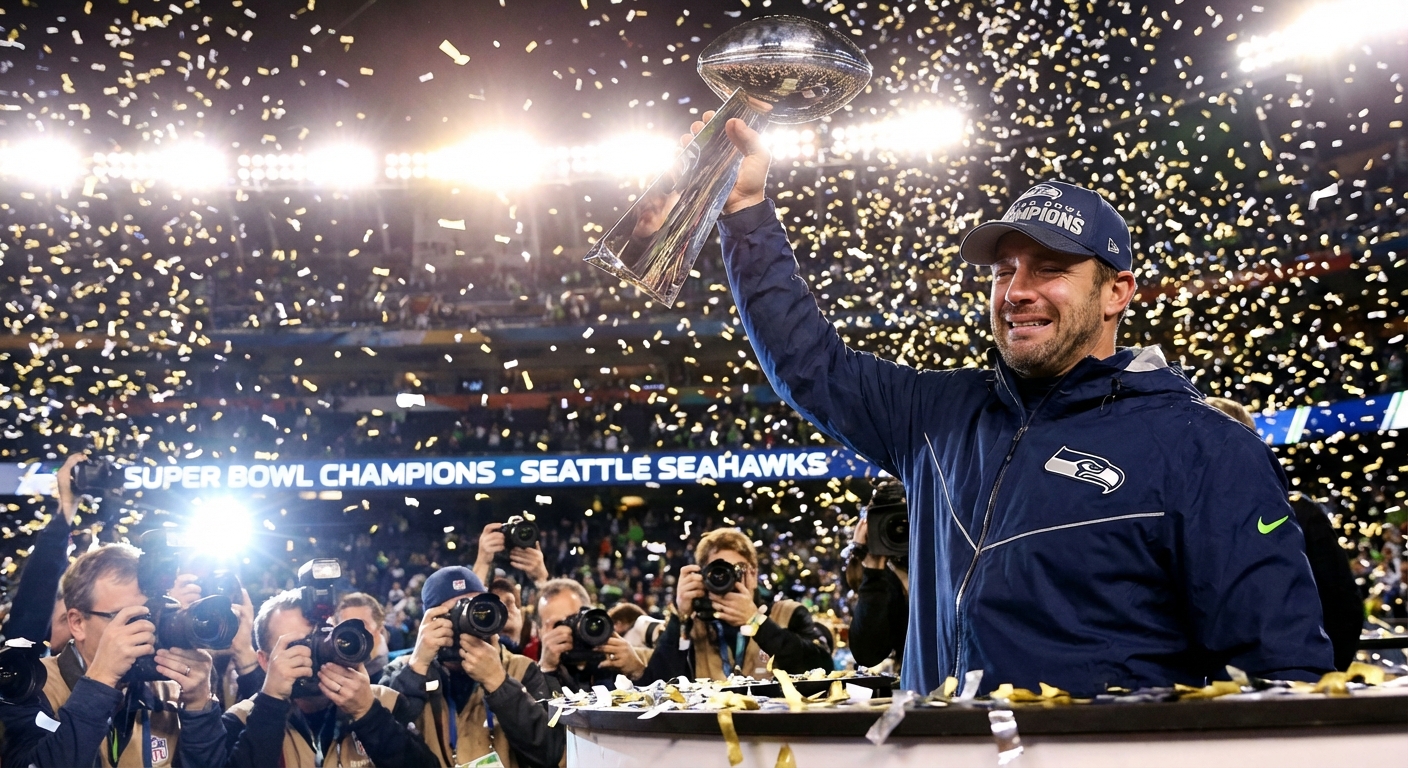
The exorcism is complete. Seattle has its second Lombardi Trophy, earned against the franchise that denied them their second the first time. The symmetry is almost too perfect, and the city of Seattle will celebrate this one for a very long time.
Final Whistle
Super Bowl LX belonged to the Seattle Seahawks’ defense. Macdonald’s scheme was brilliant, the players’ execution was flawless, and the result was a championship that felt inevitable by the middle of the third quarter.
For the Patriots, this loss stings but does not define them. Drake Maye is 24 years old and just played in a Super Bowl in his second NFL season. The future in New England is bright, even if tonight belonged entirely to Seattle.
For Darnold, Walker, Witherspoon, Myers, and every Seahawk who contributed to this championship, the validation is complete. They won the Super Bowl the old-fashioned way: with a ground game, a game-manager quarterback, and a pass rush that turned Maye’s poise into panic. In an era of high-octane offenses and quarterback-driven narratives, Seattle reminded the football world that there is more than one way to hoist the Lombardi Trophy.
The ghosts are gone. The trophy is home. And the Dark Side has written its name into championship lore.
Sources
- Super Bowl LX: How the Seahawks shut down the Patriots - ESPN, Bill Barnwell, February 2026
- Seahawks ride dominant defense to blowout of Patriots - Yahoo Sports, February 2026
- Super Bowl 2026 recap: Top ads, news from NFL’s biggest game - CNBC, February 2026
- Sam Darnold silences skeptics as Seahawks dominate Patriots - NFL.com, February 2026
- Seahawks vs. Patriots: Key Super Bowl intel via NFL Next Gen Stats - ESPN Next Gen Stats