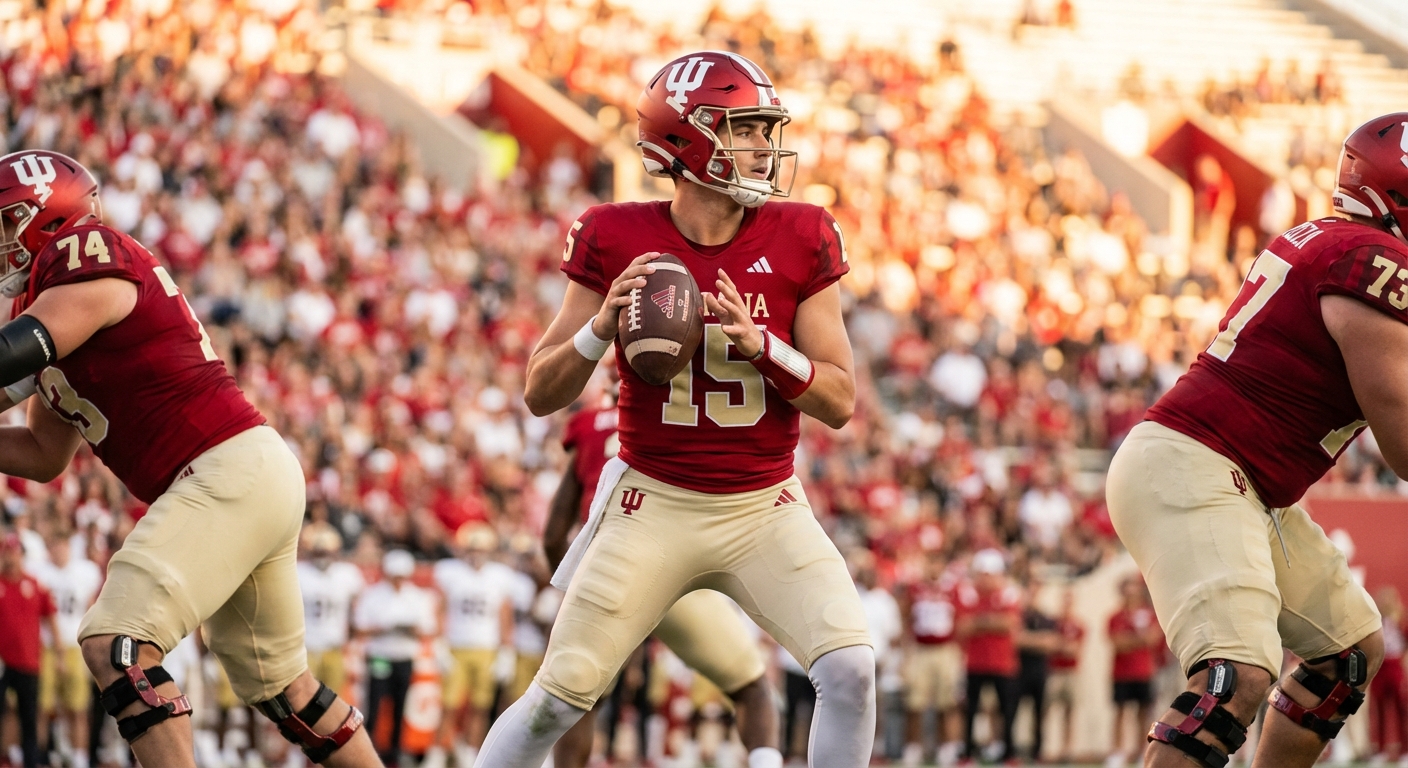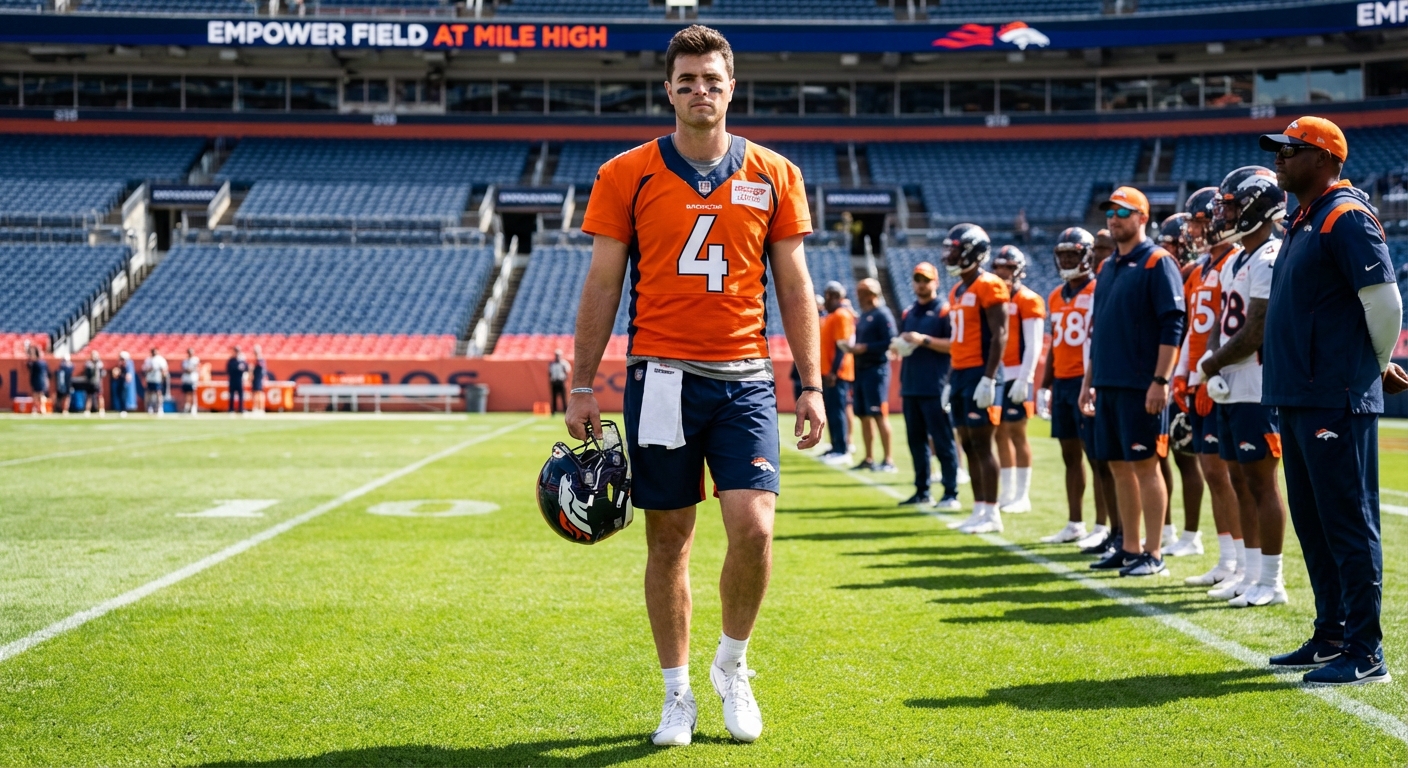
The last time Jarrett Stidham attempted an NFL pass, it was 2023. The Las Vegas Raiders were in the midst of a forgettable season, and Stidham was a placeholder starting four games while the franchise figured out its long-term quarterback situation. He threw one touchdown and three interceptions, per Pro Football Reference, before fading into obscurity as a career backup. Now, three years later, he’s being asked to lead the Denver Broncos to the Super Bowl against the New England Patriots, the team that drafted him in the fourth round of the 2019 NFL Draft.
Bo Nix’s broken ankle, suffered in the final minutes of Denver’s overtime victory over Buffalo, thrust Stidham into a situation that would overwhelm most quarterbacks. He’s facing a Patriots defense that knows his tendencies intimately from his three seasons in New England. He must win a single game to reach the Super Bowl but has not won as a starter since that forgettable Raiders stint. The degree of difficulty is almost cruel.
The Broncos’ championship hopes rest on Stidham’s ability to shake off years of rust in a single week. Every practice rep matters more than any he has taken since college. The playbook must be simplified without becoming predictable. The game plan must account for his limitations while still threatening the Patriots defense. Sean Payton faces the coaching challenge of a lifetime, and Stidham faces the performance of a lifetime.
The New England Connection
Stidham’s Patriots tenure lasted three seasons without ever establishing him as a viable starting option. He was drafted to learn behind Tom Brady during the GOAT’s final New England season, then competed for the starting job when Brady left for Tampa Bay. Cam Newton won that competition and started throughout 2020. When Newton struggled and the Patriots moved on, they drafted Mac Jones rather than promoting Stidham.
His time in New England provided education that could prove invaluable Sunday. He understands how the Patriots organization prepares for opponents. He knows the defensive philosophy that Bill Belichick instilled and subsequent coaches have maintained. He recognizes the coverages, the pressure packages, and the adjustments New England makes based on game situations. That familiarity should help him most on early downs, where he can identify New England’s base coverage shells before the snap and check into preferred routes, but it offers less advantage on third-and-long situations where the Patriots disguise their looks and rotate after the snap into pressures Stidham never saw during his time there.
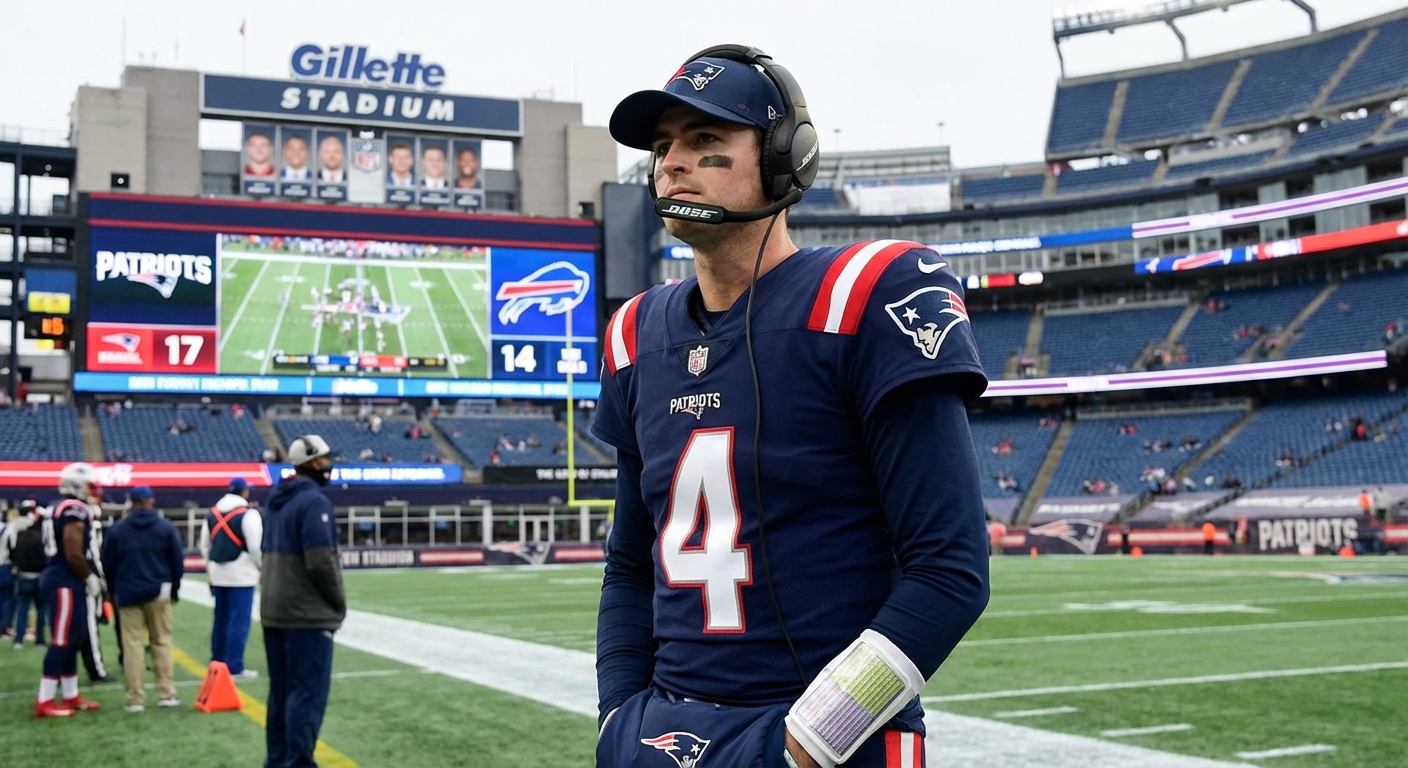
The Patriots defenders he’ll face include several who overlapped with his New England tenure. They practiced against him daily, learned his release point, identified his progressions, and discovered his tendencies under pressure. As ESPN’s Dan Orlovsky noted, that familiarity cuts both ways, but defensive players typically benefit more from such knowledge than quarterbacks do because they can anticipate timing and tendencies without needing to adjust their own mechanics.
The emotional element adds complexity. As The Athletic’s Mike Reiss reported, several Patriots defenders have spoken openly this week about knowing Stidham’s game inside and out. Stidham must perform against former teammates and coaches, some of whom may have advocated for his release or questioned his abilities. Professional athletes compartmentalize effectively, but championship games amplify every feeling. How Stidham manages the psychological challenge will influence his physical execution.
Denver’s Defensive Hope
The Broncos’ path to victory runs through their defense, which ranked among the top three in scoring defense and yards allowed all season, according to PFF. They held Josh Allen to a subpar performance in the divisional round despite the Bills’ explosive offense. They generated turnovers at critical moments throughout the regular season. PFF’s Sam Monson has called this Denver front seven one of the most complete units in the league, and if any defense can carry a team with a backup quarterback starting an AFC Championship game, this one can.
Defensive coordinator Vance Joseph has crafted a scheme that maximizes Denver’s front-seven talent while providing adequate coverage support. The pass rush generates pressure without needing to blitz excessively (Denver ranked in the top five in pressure rate on standard rushes, per ESPN Stats & Info), which allows more defenders to drop into coverage and limit explosive plays. Against the Patriots’ balanced offense, this approach should create difficult decisions for New England’s quarterback.
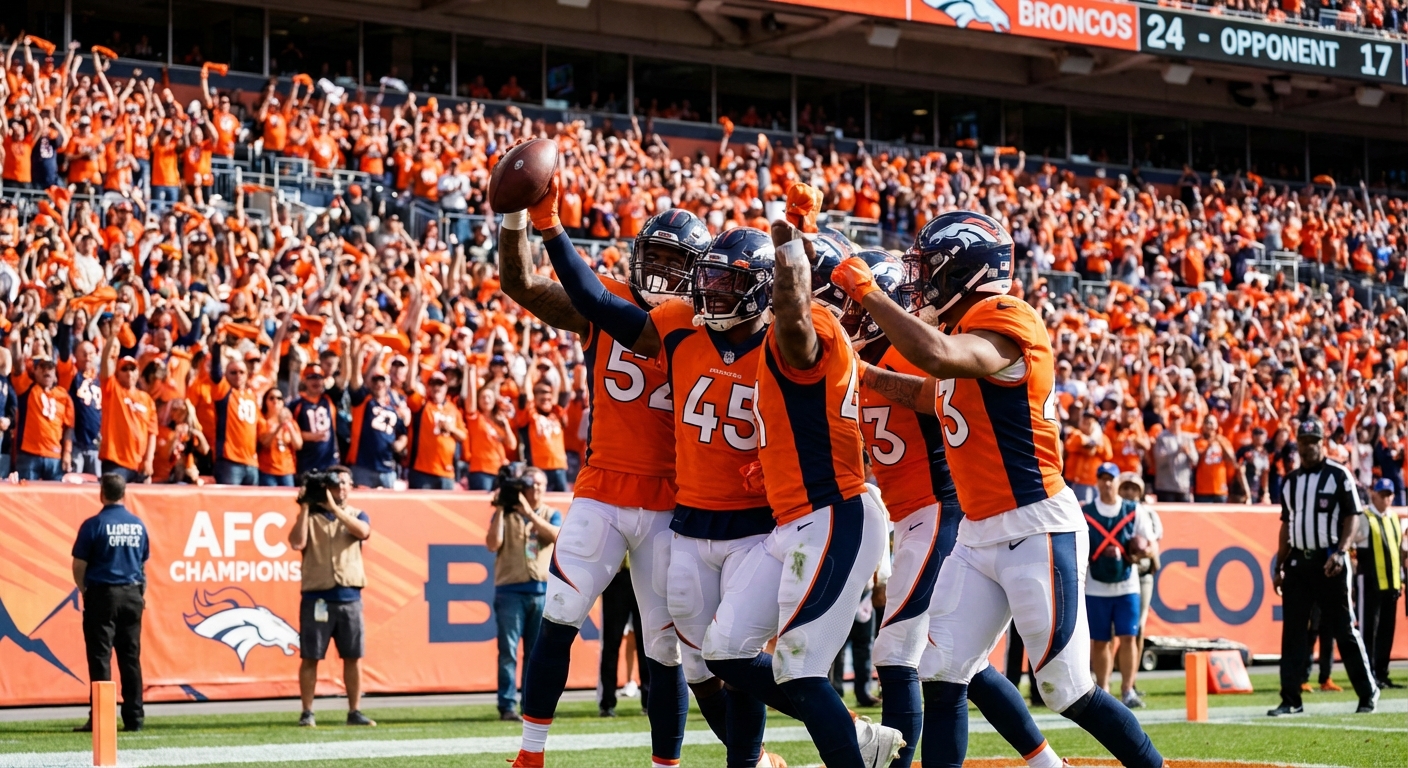
The defense must keep the score manageable because expecting Stidham to lead multiple touchdown drives seems unrealistic. If Denver can hold New England to 17 or fewer points, Stidham only needs to manage the game effectively and avoid catastrophic mistakes. If the Patriots score 24 or more, Stidham must suddenly become a different player than he’s been throughout his career.
Takeaways will be crucial. Every turnover creates a shortened field that reduces the difficulty of Stidham’s task. If Denver can flip field position through interceptions or fumble recoveries, they might manufacture enough points to survive even a conservative offensive approach.
Payton’s Playbook Adjustments
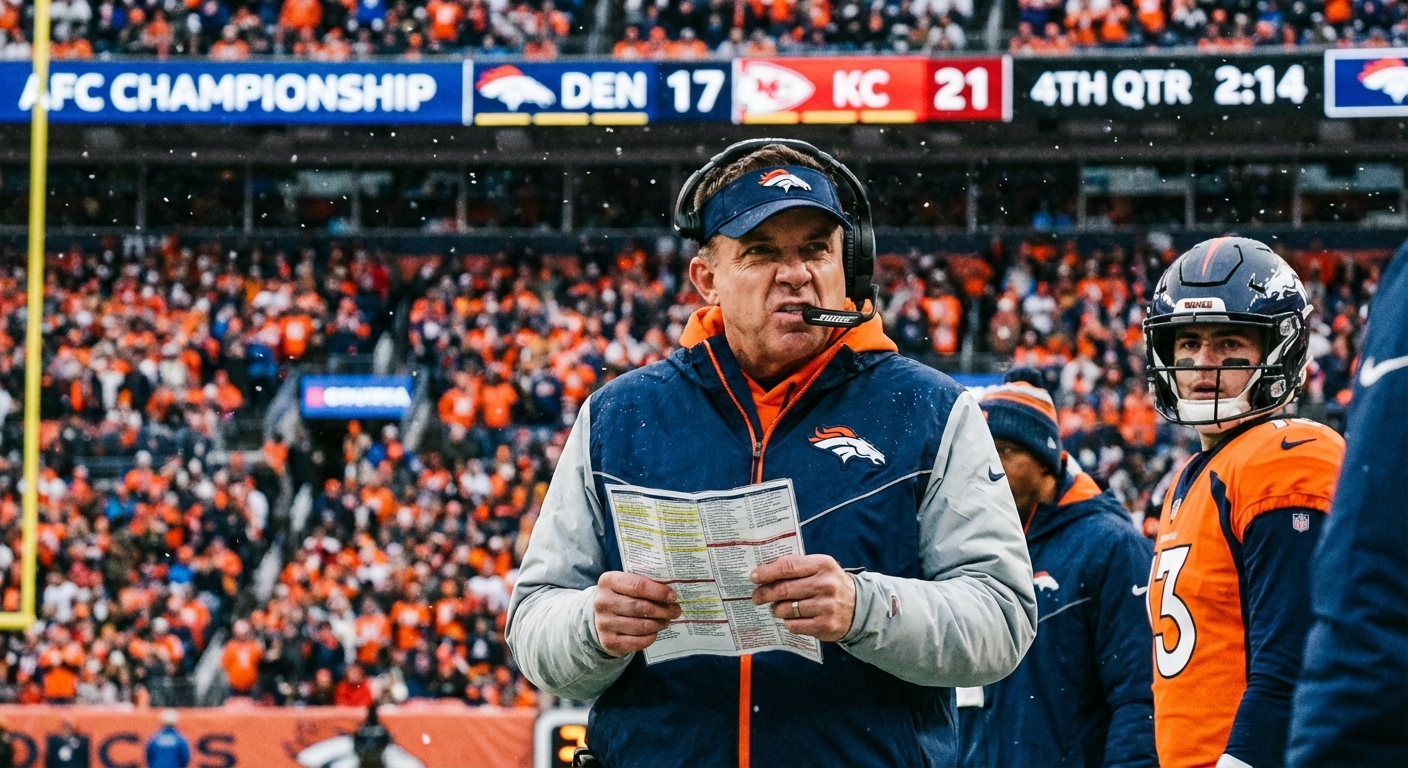
Sean Payton built his reputation on creative offense that maximizes quarterback strengths while disguising weaknesses. Drew Brees made the Hall of Fame partly because Payton’s schemes consistently created favorable situations. Now Payton must apply that genius to a quarterback with far more limited abilities and no recent game experience.
As The Athletic’s Chad Graff reported, Payton spent the week installing a streamlined package built around Stidham’s most comfortable concepts from practice. The running game becomes paramount. Denver’s backs must carry a heavier load than usual, establishing the ground attack to keep drives alive and reduce the number of passes Stidham attempts. Ball control that eats clock limits New England’s possessions and keeps Denver’s defense fresh. Every extended drive, even those ending in field goals, represents success.
Play-action should feature prominently because it provides easier reads and longer windows for Stidham to make decisions. The Patriots will respect the run if Denver establishes it early, which opens space for play-action passes to tight ends and running backs on shorter routes. These throws don’t stress Stidham’s decision-making the way deep patterns and contested catches would.
The trick plays and gadgets that Payton occasionally deploys could help if timed correctly. A direct snap to a running back, a reverse to a receiver, or a flea-flicker might catch New England off guard and produce explosive plays that the conventional offense might not generate. These carries risk and reward in equal measure.
The Patriots’ Approach
New England enters this game with clear advantages they must exploit systematically, as ESPN’s Bill Barnwell detailed in his matchup breakdown. Their defense has been dominant throughout the playoffs, forcing turnovers and limiting opponents’ scoring opportunities. They know Stidham’s weaknesses and can design pressures specifically intended to force the mistakes he’s historically made under duress.
The Patriots will likely bring pressure from unexpected angles and disguise their coverages more than usual. Stidham averaged among the longest times to throw of any qualifying starter during his 2023 starts, per Next Gen Stats, and his layoff from game action has surely degraded whatever processing speed he possessed. Showing different looks pre-snap and changing assignments post-snap should create confusion that leads to sacks, interceptions, or poor throws.
Offensively, the Patriots must establish their ground game to control possession and keep Stidham off the field. Every minute Denver’s offense spends watching from the sideline is a minute without mistakes. Time of possession correlates strongly with winning in playoff football. Teams that won the possession battle won over 60 percent of playoff games since 2020, per ESPN Stats & Info, and this game will likely prove that relationship again.
The scoring approach should prioritize points over style. Field goals count. Draining drives that result in three points are preferable to quick possessions that give Stidham additional opportunities. The Patriots can afford to win ugly because their opponent is structurally incapable of winning a shootout.
Backup Quarterbacks in Championship Games: A Cautionary Record
Backup quarterbacks starting conference championship games is rare for obvious reasons. The path to this stage typically requires elite quarterback play, which backups by definition cannot provide consistently. When circumstances force backups into these moments, the results are usually predictable.
Notable exceptions exist. Tom Brady won the Super Bowl in his first starting season after Drew Bledsoe’s injury. Nick Foles led Philadelphia to a championship as a replacement starter. Jeff Hostetler won a Super Bowl for the Giants after Phil Simms went down. These outliers provide hope but shouldn’t be considered likely outcomes.
The more common result sees backup quarterbacks overwhelmed by the moment, the opponent, or both. They make mistakes at critical moments. They can’t execute when plays break down. They become the reason their team loses rather than the reason it wins. Stidham must beat those odds against an organization intimately familiar with his limitations.
Final Whistle
This AFC Championship carries franchise-defining stakes that extend well beyond a single Sunday. For Denver, a Stidham-led victory would validate the organizational depth Sean Payton has built since arriving, proof that the Broncos’ championship window survives even a catastrophic injury to their franchise quarterback. It would also reshape Stidham’s trade value and contract leverage, giving the Broncos an asset where they previously had a roster afterthought. More critically, it would confirm that Payton’s system, not just his starting quarterback, is what makes this offense function, a distinction that changes how the league evaluates Denver’s ceiling for years to come.
For New England, a loss to a quarterback they developed and discarded would be a damning indictment of their talent evaluation during the post-Brady rebuild. The Patriots spent three years watching Stidham in practice and concluded he wasn’t the answer; losing to him on the sport’s second-biggest stage would invite uncomfortable questions about what else the organization misjudged during that era. A win, however, would complete one of the most remarkable turnarounds in recent NFL history and send a retooled roster to the Super Bowl with genuine momentum.
The critical variable is how Stidham handles the first quarter. Backup quarterbacks thrust into playoff starts tend to either settle in within the first few possessions or spiral into compounding mistakes. If Stidham can complete a few early rhythm throws and avoid turnovers in the opening fifteen minutes, Denver’s defense and running game can take over. If the Patriots rattle him early with the exotic pressures they have been scheming all week, the game could be decided before halftime. Stidham does not need to be great. He needs to survive the opening act, and let everything Payton has built around him do the rest.
Sources
- Jarrett Stidham Career Statistics and Game Logs - Pro Football Reference
- Denver Broncos NFL News, Schedule, and Box Scores - PFF
- AFC, NFC Championship Preview: Schedule, X Factors, Stats - ESPN
- Jarrett Stidham, Broncos Taking Business as Usual Approach - ESPN
- Patriots vs. Broncos Prediction, Odds: 2026 AFC Championship Game Picks - CBS Sports