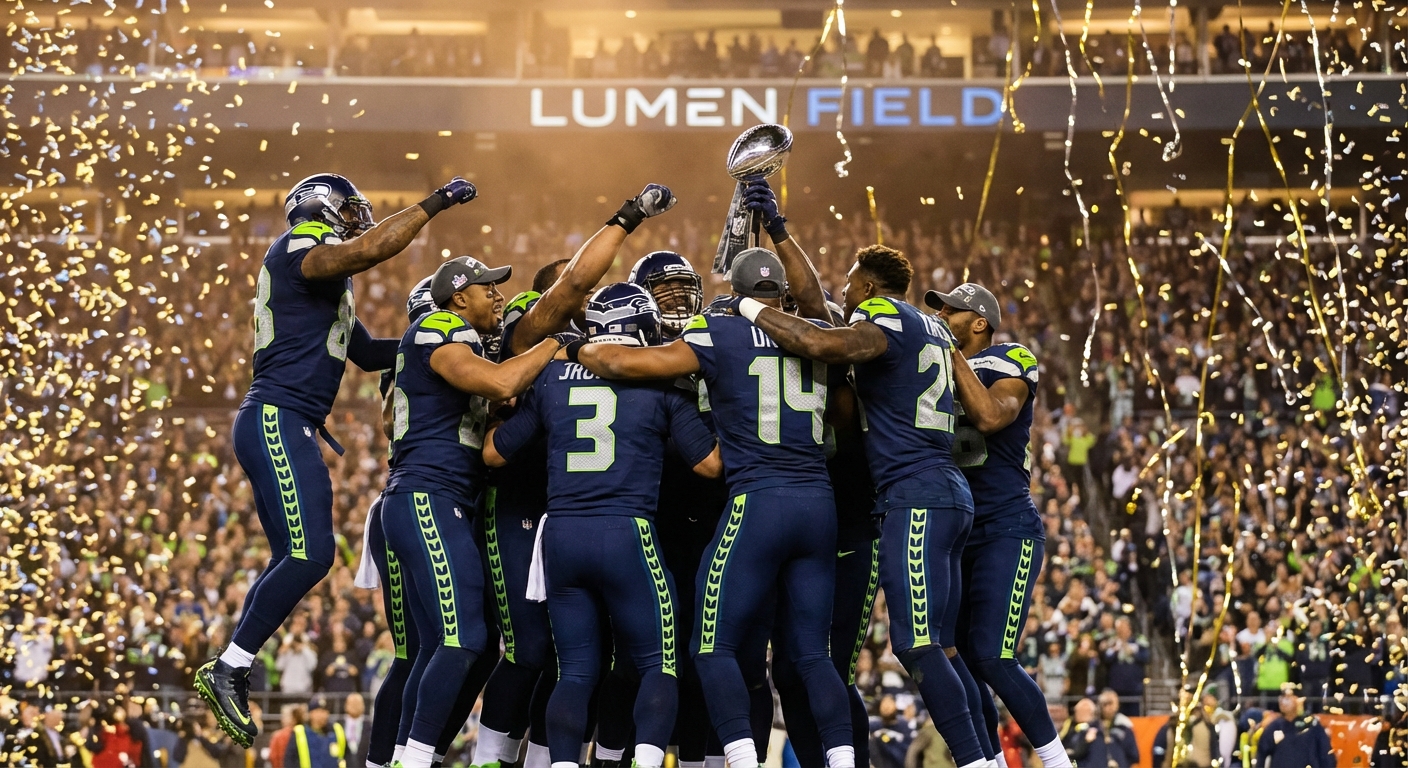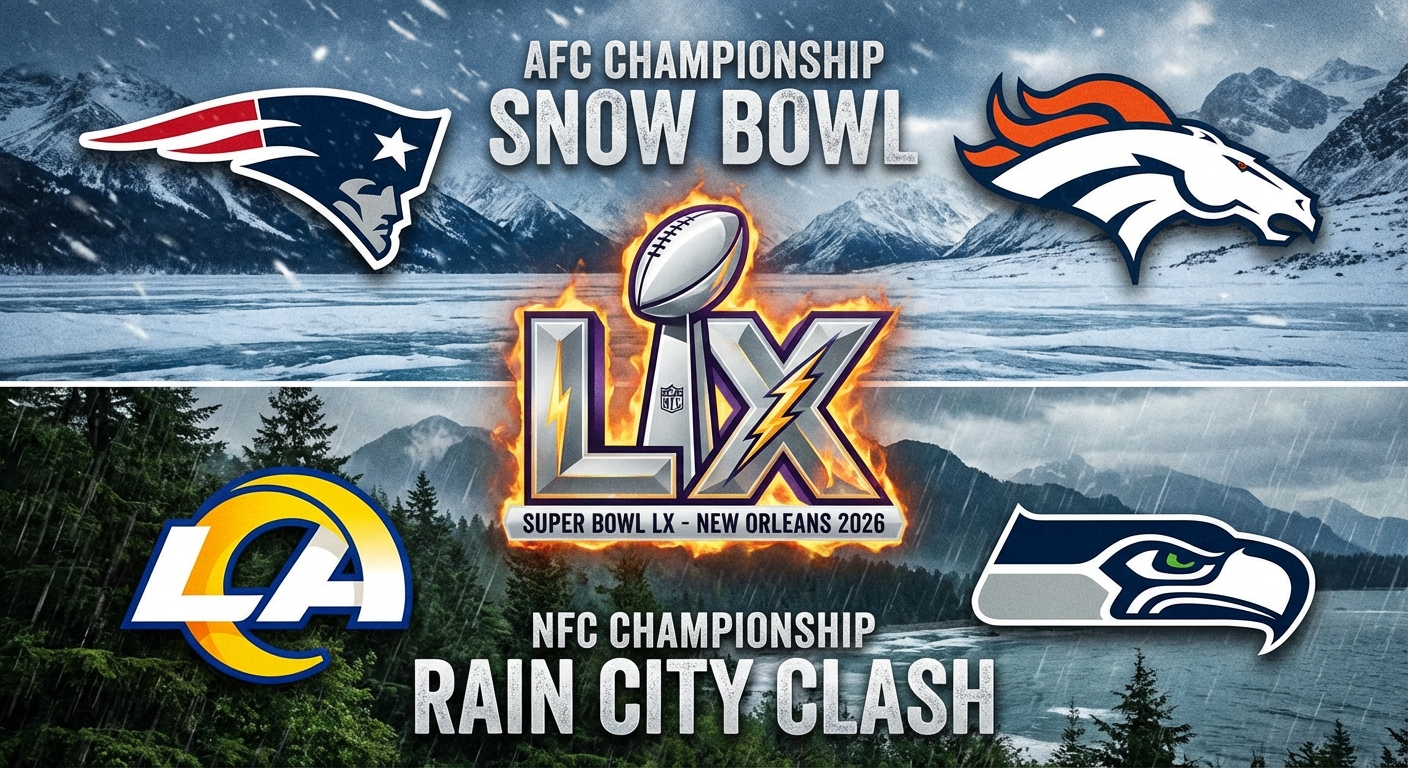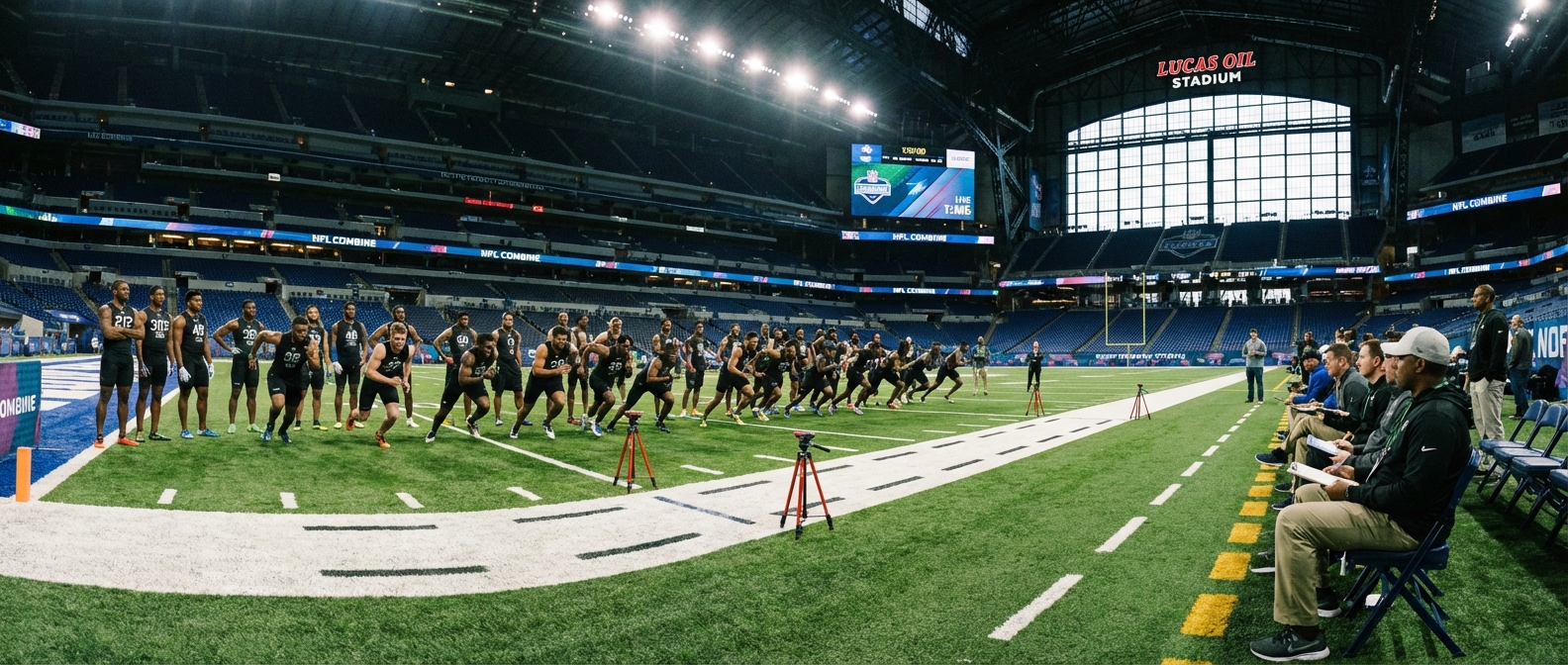
The Super Bowl is over. The Seahawks hoisted the Lombardi Trophy six days ago, and the confetti has barely been swept from the field. But football doesn’t pause for reflection. On February 23, 319 college prospects will descend on Lucas Oil Stadium in Indianapolis for the NFL Scouting Combine, the annual athletic showcase that serves as the unofficial starting gun for draft season. The combine runs through March 2, and by the time the last prospect finishes his final drill, the April draft board will look meaningfully different from the one that exists today. Mock drafts are educated guesses built on game tape and interviews. The combine is where those guesses collide with measurable reality, where a 40-yard dash time can confirm a first-round projection or collapse one, where a quarterback’s arm velocity reading can settle a debate that film study left unresolved. This year’s class has a consensus top prospect, a historically deep defensive talent pool, and enough position-group intrigue to keep scouts busy for the full eight days. Here’s the thesis: the 2026 combine will matter more than most, because the gap between the top tier and the rest of the first round is wider than it’s been in years, and the athletic testing will determine who bridges it.
Mendoza and the Quarterback Hierarchy
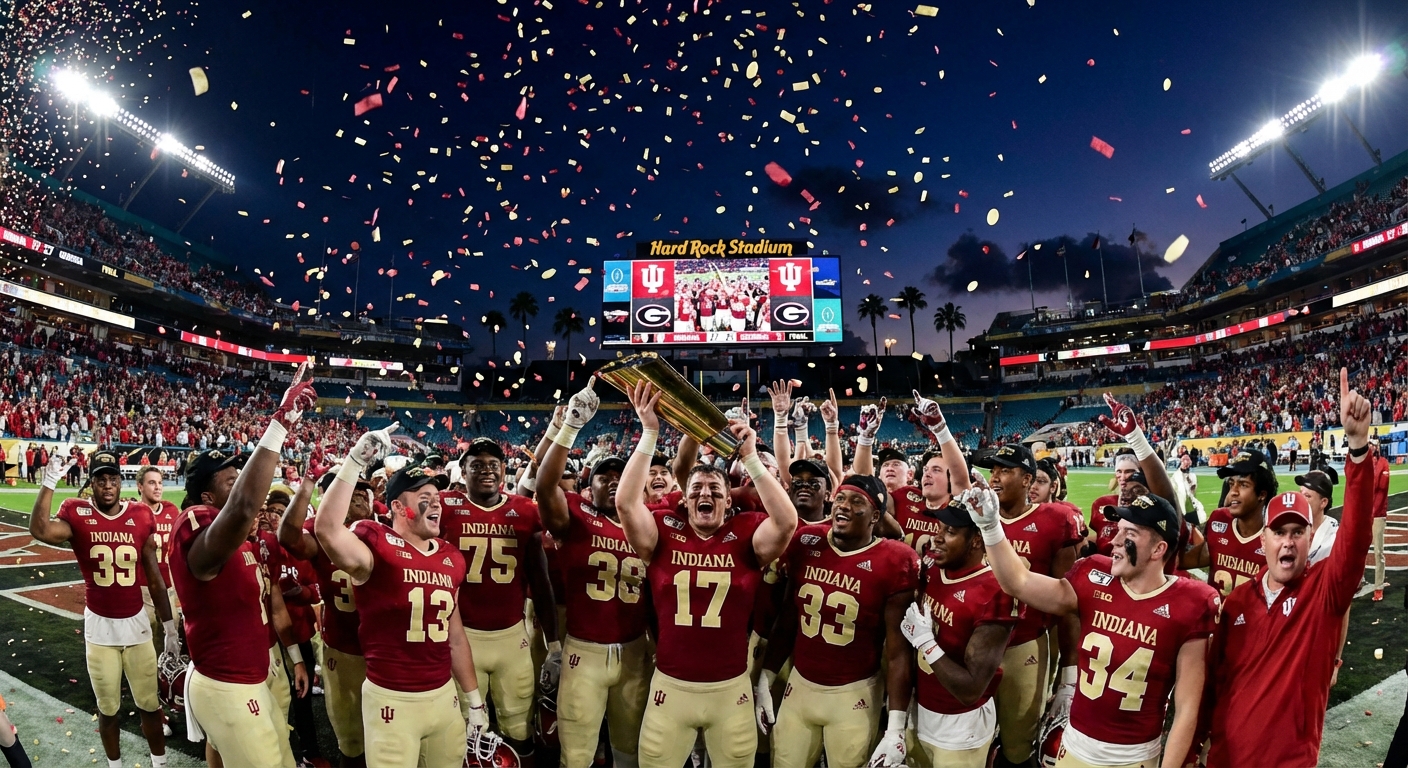
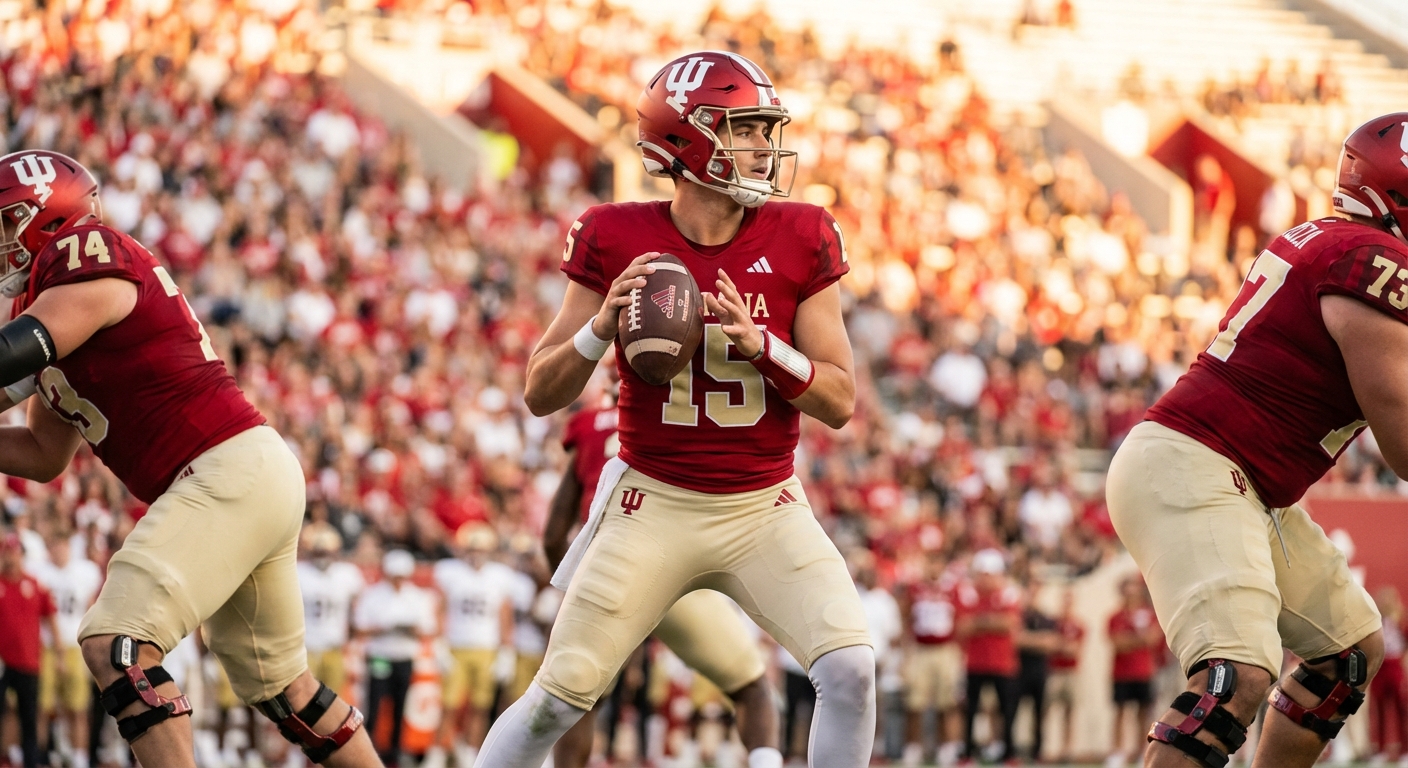
Fernando Mendoza is the best quarterback prospect in the 2026 class, and virtually nobody disagrees. ESPN’s scouting report calls him the top quarterback in the draft, and his season at Indiana, which culminated in a national championship, produced the kind of tape that makes evaluation straightforward. Arm strength, accuracy, poise, decision-making under pressure: Mendoza checked every box during a perfect season that transformed Indiana from a basketball school with a football program into a legitimate football powerhouse. His combine performance will matter less for his draft position, he’s going in the top three regardless, and more for confirming the physical tools that underpin his game tape. Scouts want to see his arm velocity numbers, his 10-yard split for pocket mobility, and how he handles the interview process, which at the combine involves 15-minute sessions with every team picking in the top half of the draft.
The more interesting quarterback story at the combine is Ty Simpson from Alabama. Simpson is the consensus QB2 in this class, but the distance between him and Mendoza is substantial, and the distance between Simpson and the third-best quarterback is a matter of genuine debate. Simpson’s arm talent is evident on film, but his decision-making was inconsistent at Alabama, particularly in the Crimson Tide’s two losses this season. The combine gives Simpson a controlled environment to showcase his physical tools without the noise of game pressure, and a strong showing in throwing drills could solidify his position as a late first-round pick. A mediocre performance could push him into the second round, where the financial difference is significant.
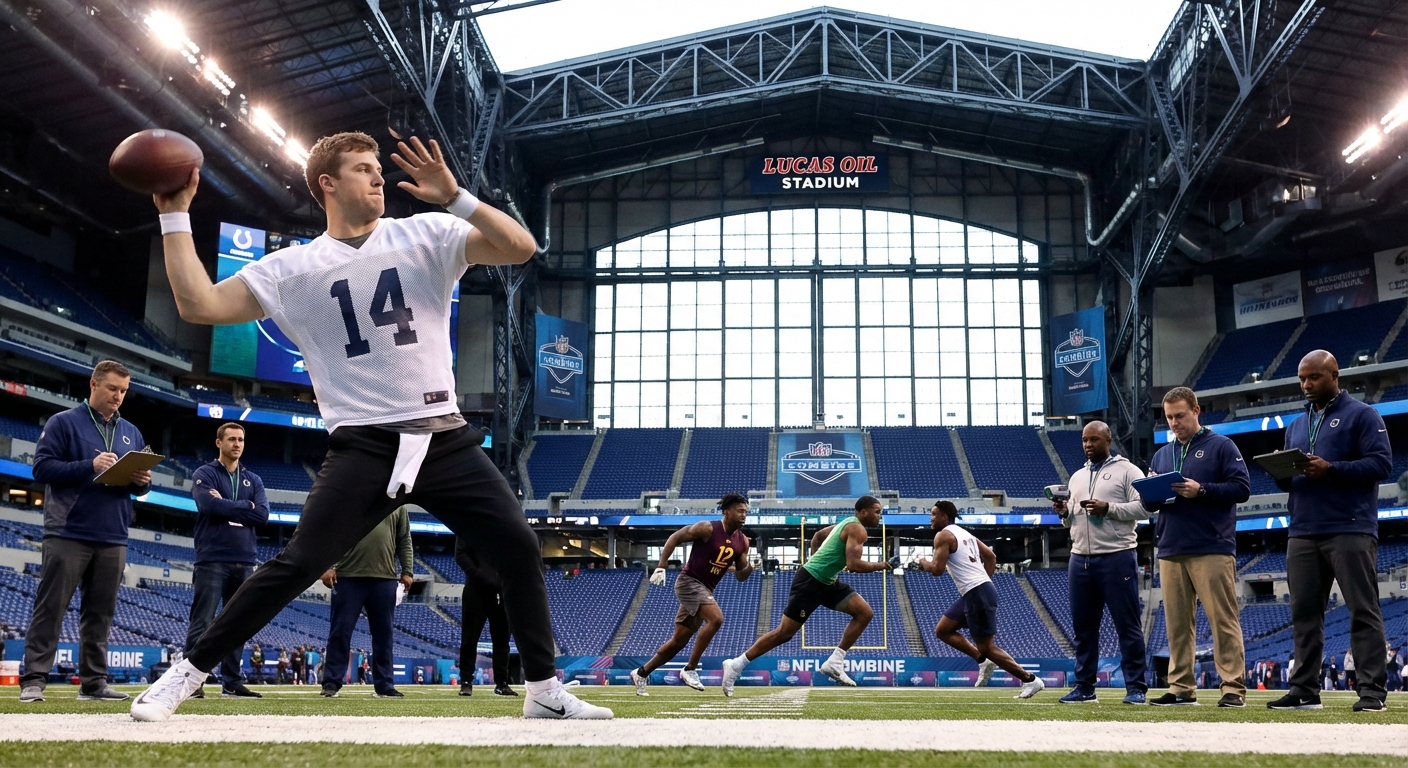
“The combine is where you separate the guys who have arm talent from the guys who are quarterbacks,” an NFC personnel director told CBS Sports ahead of the event. That distinction matters more for Simpson than for Mendoza, whose game tape already answers the question. For the teams picking in the top ten who need a quarterback, the combine’s interview process may be the most important element. NFL teams are investing not just in an arm but in a leader, and the formal interview setting at the combine is where front offices evaluate intelligence, preparation, and personality in ways that pro days and campus visits cannot replicate.
Notre Dame’s Backfield and the Running Back Revival
The running back position has been devalued in the NFL draft for the better part of a decade, with teams increasingly reluctant to spend first-round capital on a position where production can be found in later rounds. The 2026 class might challenge that trend, largely because of Jeremiyah Love. Notre Dame’s explosive runner is projected as a top-ten pick by most draft analysts, a distinction that only a handful of running backs have achieved since Saquon Barkley went second overall in 2018.
Love’s combine profile is built for the showcase. He has the speed to threaten a sub-4.4 forty-yard dash, the agility to dominate the three-cone drill, and the size to post competitive bench press numbers. His game tape shows a player who can line up in the backfield, in the slot, or split wide, the kind of versatility that modern NFL offenses demand from their featured backs. A dominant combine performance would make it difficult for teams in the 5-10 range to pass on him, even in an era where the position’s market value has declined. The counter-argument, that running backs break down faster than other positions and that draft capital is better spent on linemen and pass rushers, is valid. But Love’s receiving ability distinguishes him from the typical early-round running back. He’s not just a runner; he’s a weapon in the passing game, and that changes the value calculation.
His Notre Dame teammate Jadarian Price adds depth to the running back conversation. Price is a more traditional between-the-tackles runner whose combine testing will need to demonstrate the burst and lateral agility that his tape sometimes lacks. The difference between a second-round grade and a fourth-round grade for Price could come down to his forty time and shuttle numbers. Running backs live and die by measurables at the combine more than any other position group, because the physical tools translate more directly to NFL production. You can scheme around a slow wide receiver. You cannot scheme around a slow running back.
Ohio State’s Defensive Assembly Line
Ohio State is sending a defensive prospect class to Indianapolis that rivals anything the program has produced in years. Arvell Reese headlines the group as the top defensive prospect in the entire draft. The linebacker’s combination of size, speed, and instincts made him the most disruptive defensive player in college football this season, and his combine testing is expected to confirm what evaluators already believe: Reese is a top-five pick with the athletic profile of an every-down linebacker who can rush the passer, defend the run, and cover tight ends in space.
Caleb Downs, the safety, is the other Ohio State defender generating first-round buzz. Downs is a consensus top-ten prospect whose ball-hawking ability and range in coverage make him the most complete safety in the class. His combine testing will focus on the forty and the short shuttles, drills that measure the change-of-direction quickness and straight-line speed that define elite safety play. Downs transferred to Ohio State from Alabama after a stellar freshman season with the Crimson Tide, and his development under the Buckeyes’ coaching staff has been exactly what scouts hoped to see.
The concentration of Ohio State defensive talent at this combine creates a fascinating evaluation dynamic. Teams picking in the top fifteen will have to decide whether to stack Buckeyes, an approach that carries both the advantage of players who already understand each other’s tendencies and the risk of over-investing in a single college program’s system. The 2019 draft saw three Ohio State defensive players go in the first round (Nick Bosa, Dwayne Haskins, and Parris Campbell, though Campbell was offense), and the 2026 class has the potential to match or exceed that number from the defensive side alone.
The Offensive Line Riddle and the Receiver Debate
Francis Mauigoa from Miami is the top offensive tackle prospect in a class that is thin at the position. His combine testing carries outsized importance because the gap between Mauigoa and the next-best tackle is wider than usual, and teams in need of offensive line help will be watching his movement drills closely. Offensive linemen at the combine are evaluated differently from skill position players. The forty-yard dash matters less than the short shuttle and three-cone drill, which measure the lateral agility and balance that translate to pass protection at the NFL level. Mauigoa’s tape shows a player with elite length and strong anchor in pass protection, but questions about his foot speed in space persist. A strong showing in agility drills would quiet those concerns and lock in his first-round status.
The wide receiver position presents a different kind of combine story. This is not a class with a clear-cut WR1. Carnell Tate from Ohio State and Jordyn Tyson from Arizona State are the two names most frequently mentioned in the first-round conversation, but neither has separated himself from the other on tape. The combine is where that separation often happens for receivers. Tyson’s speed is his calling card, and a blazing forty time would confirm his value as a vertical threat. Tate’s route-running precision is his strength, and the on-field drills, where receivers run routes against air and catch passes from combine quarterbacks, will showcase whether his breaks are as sharp in person as they appear on game film. In a draft class where the top of the receiver board is muddled, the combine serves as a tiebreaker, and for teams like the Patriots, who pick early after their Super Bowl loss and need offensive weapons, the receiver testing could directly influence draft night decisions.
Why Pre-Combine Rankings Often Lie
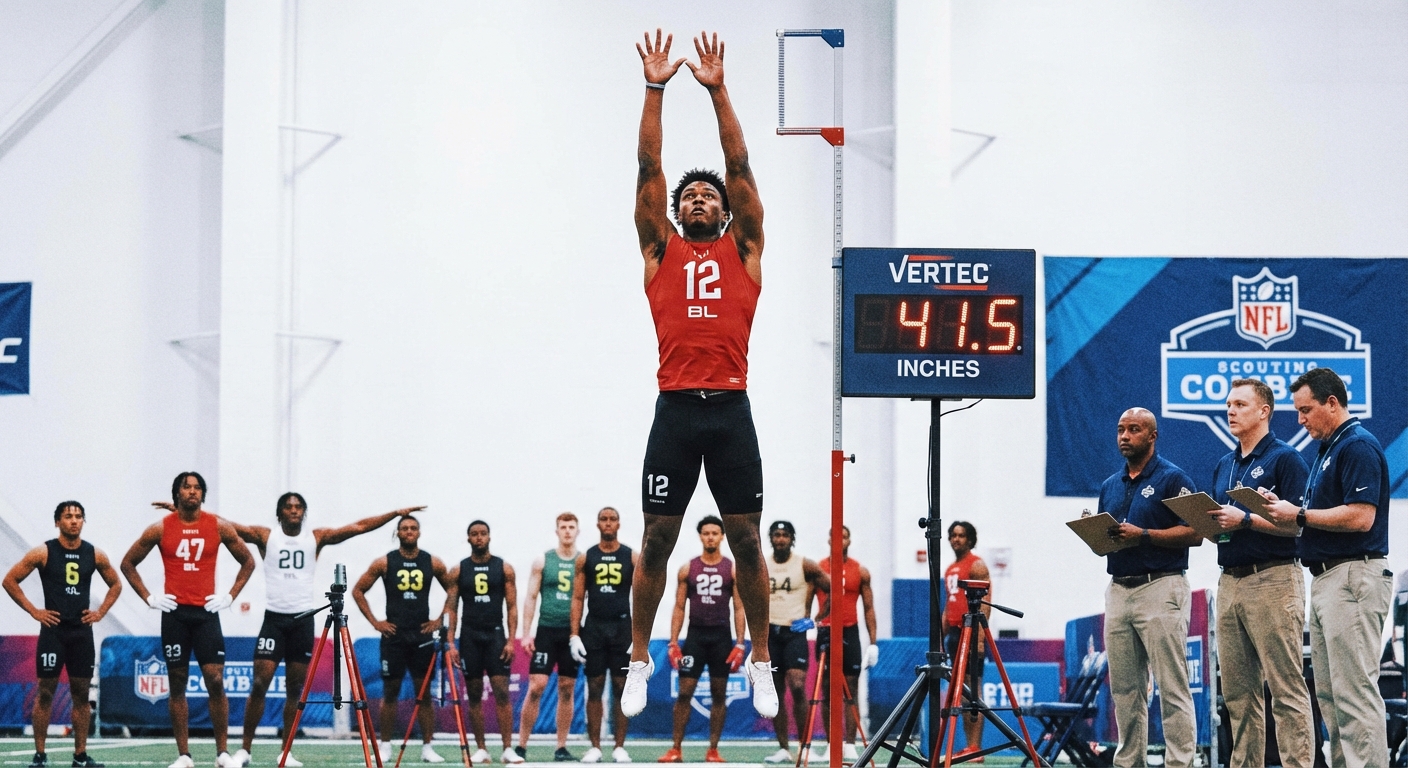
Here’s the contrarian take that nobody in the draft industry wants to admit: pre-combine rankings are wrong about at least three first-round picks every year, and the combine is the event most likely to expose the errors. The 2024 draft saw Brock Bowers, widely projected as a mid-first-round pick, test as one of the most athletic tight ends in combine history and ultimately climb to the back end of the top fifteen. The year before, Anthony Richardson’s combine performance, highlighted by a 40.5-inch vertical jump, catapulted him from a potential top-fifteen pick to the fourth overall selection.
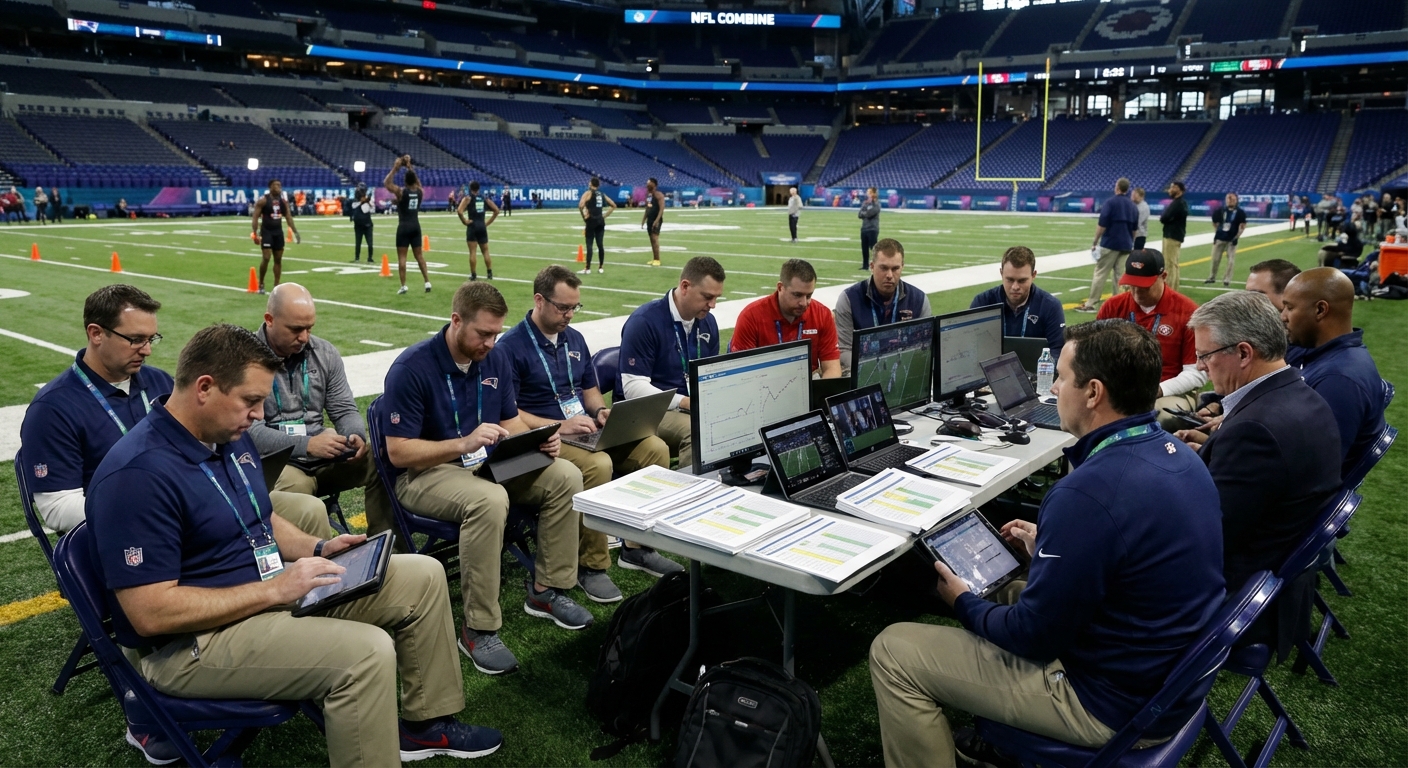
The dynamic that makes the combine uniquely powerful is the collision between tape-based evaluation and athletic testing. Tape tells you what a player does. The combine tells you what a player can do. When those two things align, the prospect’s draft stock holds steady. When they diverge, the combine number usually wins, for better or worse. A player who looks like a first-rounder on tape but runs a 4.7 forty will fall. A player who projects as a second-rounder but runs a 4.3 and jumps 40 inches will rise. This dynamic is well understood and often criticized by draft analysts who argue that tape should matter more than testing. They’re probably right in theory. But NFL general managers, who are spending millions of guaranteed dollars on these picks, want the reassurance of measurable data, and the combine is where that data lives.
The 2026 class has several candidates for combine-driven movement. Jadarian Price at running back could vault into the second round with elite speed testing. A lesser-known defensive end or edge rusher could post freakish athletic numbers and crash the first-round party. The combine’s history is full of players who arrived in Indianapolis as Day 2 projections and left as first-round locks. The reverse is also true: prospects who looked like slam-dunk top-fifteen picks on tape have seen their stock slide after disappointing testing. The eight days in Indianapolis won’t tell teams everything. But they’ll tell them enough to reshape the draft board in ways that the next two months of pro days and private workouts will struggle to undo.
The Week That Shapes April
The 2026 NFL Combine arrives at the perfect inflection point in the offseason calendar. The Super Bowl is done, free agency doesn’t begin until March 11, and the draft in Pittsburgh on April 23-25 is still two months away. For the next eight days, the football world’s attention will be focused entirely on Lucas Oil Stadium and the 319 prospects trying to prove they belong in the NFL. Fernando Mendoza will confirm his status as the class’s best player. Arvell Reese and Caleb Downs will showcase the Ohio State defensive talent that has scouts salivating. Jeremiyah Love will either cement his case as a top-ten running back or remind evaluators why the position’s draft value has eroded. And somewhere in the middle rounds of the prospect list, a name nobody is talking about today will run a forty-yard dash that changes his life.
The combine doesn’t determine the draft. But it shapes the conversation that determines the draft, and in a class with this much talent at the top and this many unanswered questions in the middle, the shaping starts now. Teams that enter Indianapolis with firm draft boards will leave with revised ones. That’s not a failure of preparation. It’s the entire point. The combine exists to challenge assumptions, and the 2026 version has more assumptions to challenge than most.
Sources
- NFL.com: Full list of draft prospects invited to 2026 scouting event
- CBS Sports: 2026 NFL combine dates, schedule, and top prospects
- ESPN: 2026 NFL draft board with first-round prospect grades
- ESPN: Fernando Mendoza 2026 NFL draft scouting report
- CBS Sports: NFL combine 2026 full list of invited prospects