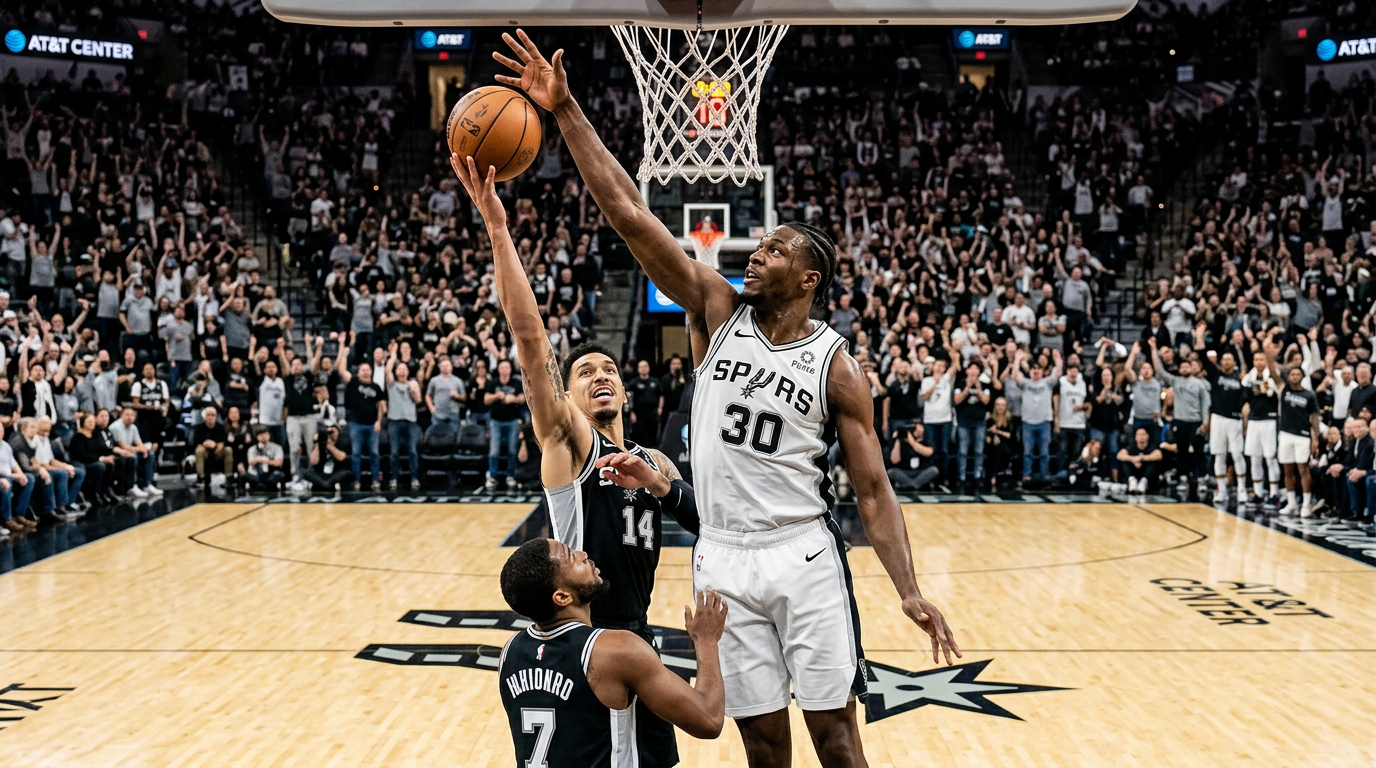
Twelve months ago, the San Antonio Spurs were 34-48, missing the playoffs for the sixth consecutive season, and watching their franchise cornerstone recover from a blood clot in his shoulder. Victor Wembanyama’s rookie year had shown flashes of generational ability, but the team around him was a construction site: half-finished, undermanned, and stuck in the Western Conference basement. The coaching transition from Gregg Popovich to Mitch Johnson was still in its infancy. The backcourt lacked a true point guard who could run a half-court offense. And the skeptics had reasonable arguments. Building around a 7-foot-4 unicorn is one thing. Building a contender around him is another.
Now the Spurs are 42-16, per Basketball Reference, riding a nine-game winning streak, sitting 2.5 games behind the Oklahoma City Thunder for the best record in the NBA. Their championship odds have shortened from +1400 to +1000 at FanDuel Sportsbook, according to Yahoo Sports. Wembanyama is averaging 24.0 points, 11.2 rebounds, 3.6 blocks, 2.9 assists, and 1.2 steals per game this season, per ESPN, and he is the -500 favorite to win Defensive Player of the Year. The franchise that was rebuilding last February is now a legitimate title contender. And the speed of this transformation has almost no precedent in modern NBA history.
The 34-Win Floor to the 42-Win Ceiling
The distance between last season’s Spurs and this season’s version is not just a matter of wins. It is a structural overhaul. The 2024-25 roster had Wembanyama at the center of everything but lacked the secondary playmaker who could collapse a defense and create open looks for others. The offense stalled in half-court sets. The defense, despite Wembanyama’s individual brilliance, bled points at the perimeter because the guards couldn’t stay in front of their assignments. San Antonio finished 13th in the Western Conference, closer to the lottery than the play-in tournament.
The front office addressed every weakness with surgical precision. The headline move was acquiring De’Aaron Fox from Sacramento in a three-team trade involving the Bulls and Zach LaVine, per NBA.com. Fox, a six-time All-Star averaging 25 points and 6.1 assists before the deal, gave San Antonio exactly what it lacked: a guard who could break down defenses off the dribble, shoot from three at a career-high 39.1% clip, and run the pick-and-roll with Wembanyama as the rolling big. That pairing has become one of the most dangerous two-man actions in the league. Fox is averaging 23.5 points and 6.2 assists in San Antonio, and the Spurs’ offensive rating with both players on the floor is 6.3 points per 100 possessions higher than their team average, per CleaningTheGlass.
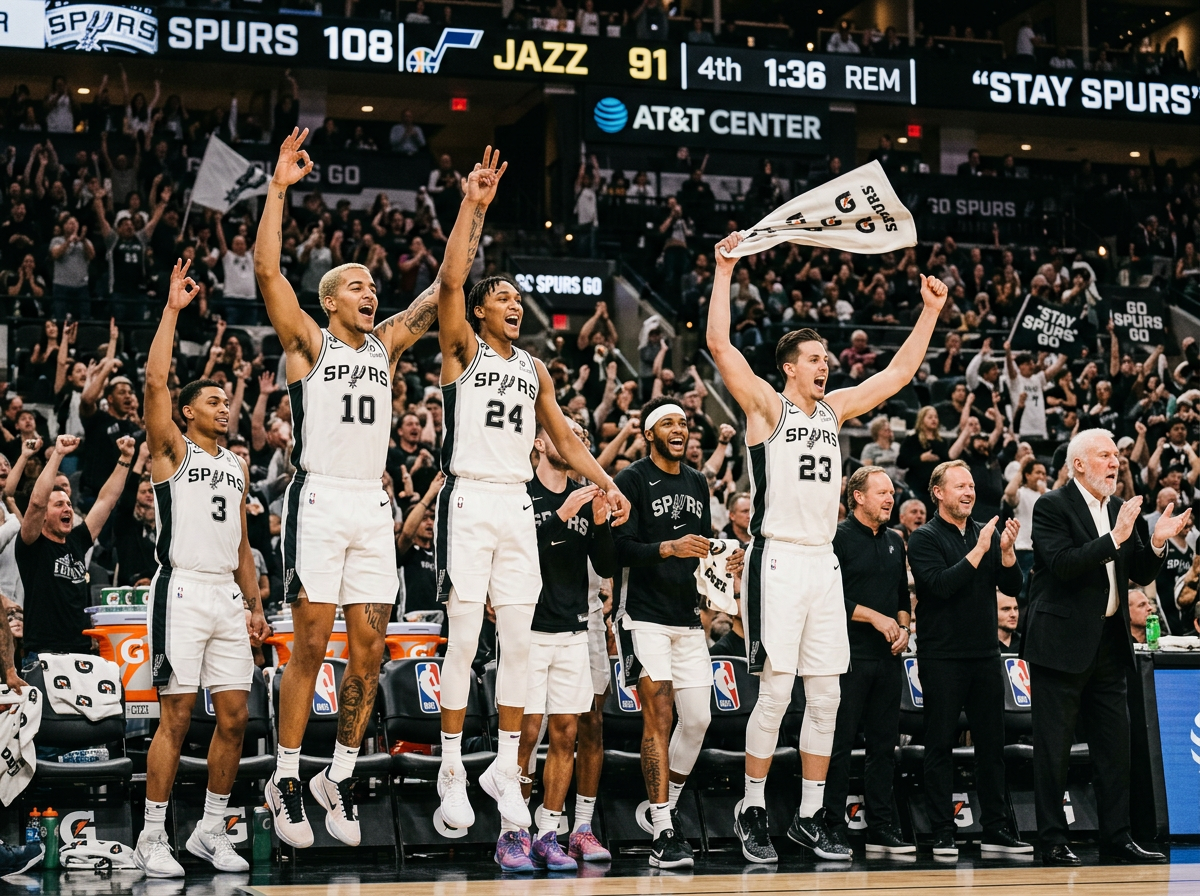
But the Fox trade was only one piece. Stephon Castle, last year’s Rookie of the Year, has taken a second-year leap of his own, emerging as one of the league’s most versatile perimeter defenders while averaging 14.2 points per game. Dylan Harper, the 2025 lottery pick, has given the bench a scoring punch and youthful energy. Harrison Barnes provides the kind of quiet, veteran stability that championship rosters need. And Jeremy Sochan’s positional flexibility allows Johnson to deploy lineups that range from small-ball five-out sets to towering defensive walls anchored by Wembanyama and Luke Kornet.
The Spurs’ net rating of +7.1 per 100 possessions, per Basketball Reference, is fourth in the NBA. Their defensive rating of 112.1 ranks fifth. Their offensive rating of 119.1 sits sixth. Those numbers describe a team with no fatal weakness, a balanced roster that can grind out defensive slugfests or outscore opponents in transition. Last season, they were average on defense and below average on offense. The improvement on both ends is what separates a rebuilding team from a contender.
Wembanyama’s Leap: From Rookie Phenom to MVP Candidate
The raw numbers tell part of the story. Wembanyama’s scoring is up from 21.4 to 24.0 points per game. His rebounding has climbed from 10.6 to 11.2. His block rate of 3.6 per game leads the NBA by a wide margin, per ESPN. But the numbers that matter most are the ones that describe what has changed in how he plays, not just how much he produces.
“His impact and leaving his imprints all over the floor of the game is starting to slow down,” head coach Mitch Johnson told The SportsRush in February. “I say slow down in the sense that he’s not just reacting to everything, he’s actually starting to dictate and manipulate.” That distinction, the shift from reactive to proactive, is the hallmark of a player crossing the threshold from star to superstar. In his rookie year, Wembanyama’s impact was often a product of pure physical tools: the 8-foot wingspan erasing shots, the mobility creating transition opportunities, the shooting range pulling centers out to the three-point line. This season, he is making reads before the play develops, positioning himself to take away passing lanes, and calling out defensive assignments before the ball crosses half-court.
The on/off-court data confirms what Johnson sees. San Antonio allows 10.6 fewer points per 100 possessions when Wembanyama is on the floor versus when he sits, per ClutchPoints. Only Rudy Gobert, at -12.7, produces a larger defensive swing in the league. Wembanyama’s 3.9 combined steals and blocks per game lead all NBA players, and his DPOY odds of -500 at FanDuel make him the most prohibitive favorite for that award in years. He held MVP candidate Cade Cunningham to 16 points on 5-of-26 shooting in the Spurs’ 114-103 victory over Detroit on February 23, a performance that was equal parts physical dominance and intellectual mastery.
The historical context is staggering. Tim Duncan, in his sophomore season of 1998-99, averaged 21.7 points, 11.4 rebounds, and 2.5 blocks, per Basketball Reference, and won his first championship. Wembanyama, at the same career stage, is outscoring Duncan by 2.3 points per game and outblocking him by more than a full block per contest. David Robinson’s second year produced similar All-NBA numbers, but neither Robinson nor Duncan was simultaneously the best defensive player in the league while carrying a top-five offense at age 21. Wembanyama is doing both. The Spurs’ three greatest big men now span four decades of dominance, and the latest one may have the highest ceiling of them all.
The Mitch Johnson Factor
The coaching story in San Antonio deserves more attention than it receives. Johnson inherited a franchise in transition after Popovich’s stroke in November 2024 and subsequent retirement in May 2025. He was an assistant with no head coaching experience beyond the interim role. The expectation from most analysts was a learning year, a chance to establish his system while the front office assembled the roster around Wembanyama. Instead, Johnson has produced the best start in franchise history.
“Our team performance is why myself and our staff are going to be here for the All-Star Game,” Johnson told Sports Illustrated in February, after being named to coach the 2026 NBA All-Star Game. “That is 100 percent a team-centric outcome.” That deflection is characteristic of Johnson’s approach: ego-less, detail-oriented, and relentlessly focused on defensive principles. The Spurs’ defensive rating has improved by 4.8 points per 100 possessions from last season, a jump that reflects both personnel upgrades and schematic changes. Johnson runs a switching defense that uses Wembanyama as a free safety at the rim, allowing the guards to play aggressive on-ball defense because they know the 7-foot-4 eraser is waiting behind them. The scheme turns individual defensive mistakes into collective strengths. When a guard gets beaten off the dribble, the ball-handler drives into Wembanyama’s airspace, where 3.6 blocks per game happen.
The offensive system has been equally effective in its simplicity. Johnson runs the Fox-Wembanyama pick-and-roll as the primary action, with Castle and Vassell as secondary ball-handlers who can attack closeouts when defenses collapse on the two-man game. The Spurs are shooting 37.8% from three as a team, a number buoyed by Fox’s career-best perimeter shooting and the floor spacing that Wembanyama’s own three-point threat creates. When a center can shoot 34% from beyond the arc, as Wembanyama does, defenses cannot simply pack the paint. That single dimension opens everything else.
Where San Antonio Ranks Among the Title Contenders
The Western Conference hierarchy is taking shape with two months remaining in the regular season. Oklahoma City leads at 45-14, powered by Shai Gilgeous-Alexander’s MVP-caliber season and a roster built around length and switching defense. The Spurs sit third at 42-16, behind the Thunder and ahead of the rest of the conference. In the East, Detroit has emerged at 42-14 behind Cade Cunningham’s breakout, per ESPN. The championship odds reflect the tiers: OKC at +145, Denver at +500, San Antonio at +1000, per FanDuel.
But the Spurs have a statistical case for being the most dangerous team in a seven-game series. They are 4-1 against Oklahoma City this season, and they have five wins over teams that currently hold the best record in either conference, per Yahoo Sports. Their size advantage is unmatched in the league. Wembanyama, Sochan, and Barnes give Johnson the ability to deploy lineups that are simultaneously long enough to contest every shot at the rim and versatile enough to switch every screen on the perimeter. No other contender can match that combination of length and switchability.
The comparison to Detroit is instructive. The Pistons’ rise this season has been built on a similar defensive foundation: length, rim protection, and Cunningham’s ability to control pace. But the Spurs have a higher offensive ceiling because of the Fox-Wembanyama two-man game, a weapon that has no defensive answer when both players are in rhythm. The Thunder have the best player in the league in Gilgeous-Alexander, but injuries to key rotation pieces have created depth concerns that San Antonio does not share. Every contender has a flaw. The Spurs’ flaw, playoff inexperience, is the only one that can be cured by playing the games.
A Rebuild That Rewrote the Timeline
The speed of San Antonio’s turnaround is almost unprecedented. The 2007-08 Boston Celtics hold the record for the largest single-season improvement, jumping 42 wins after adding Kevin Garnett and Ray Allen. The Spurs themselves improved by 36 wins in 1997-98, the year they drafted Tim Duncan first overall. The 2025-26 Spurs’ improvement from 34 wins to a pace of 63 wins (extrapolating the current 42-16 record) would represent a 29-win jump, matching the Detroit Pistons’ historical turnaround from 14 wins in 2023-24 to 43 in 2024-25 as one of the largest in modern NBA history.
What makes the Spurs’ version distinct is that it was achieved primarily through internal development rather than veteran free agency. The Celtics’ 2008 jump required trading for two established All-Stars in their primes. The Spurs’ leap was built on Wembanyama’s sophomore explosion, Castle’s second-year maturation, Johnson’s coaching, and one major trade acquisition in Fox. The foundation was already in the building. The front office simply gave it the right complement. That approach, drafting the franchise player, developing the supporting cast, and adding one star through trade, mirrors the blueprint that built the Tim Duncan-era dynasties. It is patient, deliberate, and sustainable in a way that teams constructed through free-agent spending sprees often are not.
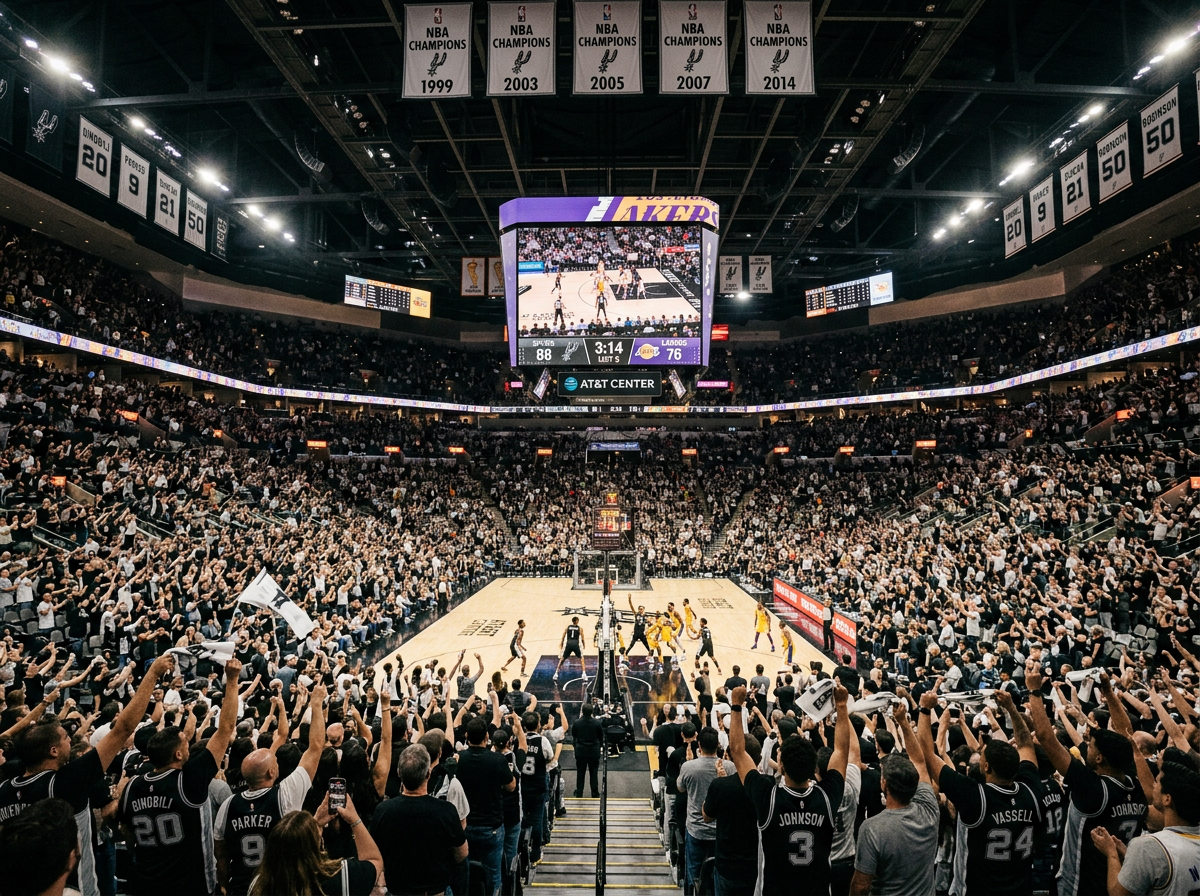
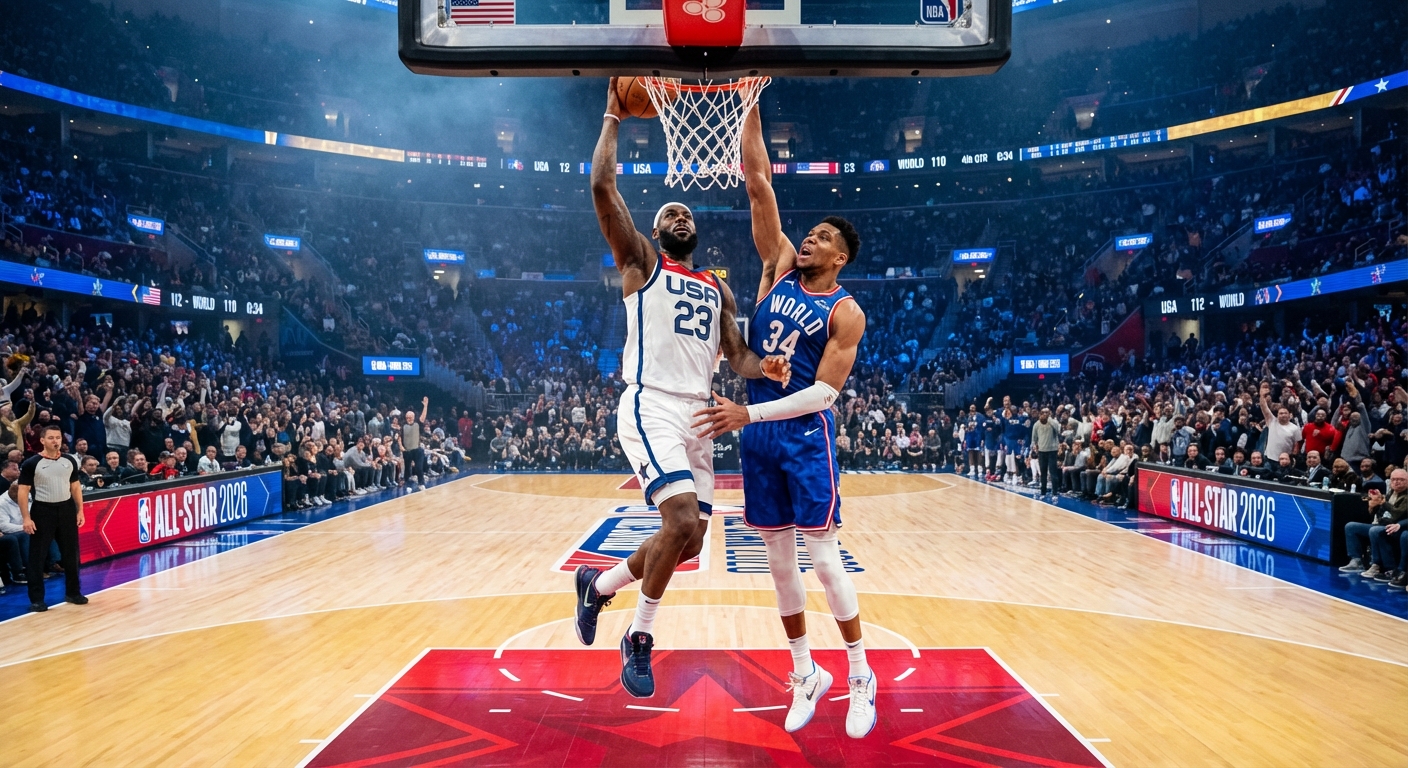
The All-Star Game earlier this month offered a preview of what Wembanyama looks like when the spotlight is brightest. He scored 33 points on 10-of-13 shooting with 8 rebounds and 3 blocks in just 20 minutes of action, dominating a game that, for the first time in years, featured genuine competitive effort from every participant. If he can replicate that intensity and efficiency over a seven-game playoff series, the Spurs have a player who can single-handedly swing a postseason matchup through defense alone. Add Fox’s ability to create in the half-court, Castle’s two-way versatility, and Johnson’s defensive system, and you have a team that can beat anyone in the league four times out of seven.
The Takeaway
The San Antonio Spurs have not won anything yet. Regular season dominance does not guarantee playoff success, and a roster this young, with a coach this new to the role, will face pressure in April and May that nothing in the regular season can simulate. The Western Conference playoff bracket will likely require beating Oklahoma City in a seven-game series at some point, and Gilgeous-Alexander in the postseason is a different animal than Gilgeous-Alexander in February.
But the trajectory is undeniable. A franchise that won 34 games last season is now winning at a 63-win pace. A 21-year-old center is producing the best defensive season since prime Hakeem Olajuwon while simultaneously anchoring a top-six offense. A first-time head coach has his team playing with the discipline and cohesion that the Popovich era made famous. And a front office that prioritized patience over panic has built a roster with no obvious weakness and a championship ceiling. The Spurs’ rebuild was supposed to take three to five years. It took two. If the playoffs confirm what the regular season has suggested, San Antonio will not just be back in the championship conversation. It will be leading it.
Sources
- Sports Illustrated: At Season’s Midpoint, Mitch Johnson the Man Responsible for Spurs’ Success
- ClutchPoints: Mitch Johnson reveals Victor Wembanyama’s unique defensive mindset as DPOY odds soar
- The SportsRush: Spurs HC says Victor Wembanyama “slowing down” is a sign of his evolution
- Yahoo Sports: 2026 NBA Championship Odds: Spurs Up
- ESPN: Debating four early-season NBA storylines